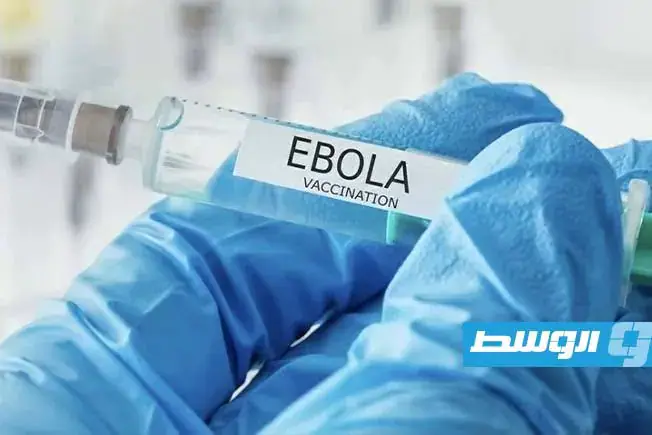
The Libyan National Center for Disease Control has announced that it has not recorded any confirmed or suspected cases of Ebola within the country. The center emphasized that the epidemiological situation in Libya remains stable, while closely monitoring the outbreak of the Bundibugyo strain in several African countries. The center has heightened its alertness to detect and respond to any suspected cases.
The center is following the developments of the outbreak through national and international channels, in coordination with relevant health authorities. It has confirmed that rapid response teams are on high alert and continuously monitoring the situation. Ebola is classified as one of the most dangerous viral hemorrhagic fevers that directly and quickly threaten life, with high mortality rates if not promptly treated.
The outbreak began in the Democratic Republic of Congo in May 2026 and is the largest recorded outbreak of this strain, as well as the second-largest in Ebola's history. According to the World Health Organization, there have been 9,668 confirmed cases and 4,649 deaths. The number of infections has increased by 10.4% in the last 21 days.
The center warned that the situation is complicated by insecurity, population displacement, and difficulty in accessing humanitarian aid. It also noted that there is currently no licensed vaccine or treatment for this strain. The virus is transmitted through direct contact with an infected person's bodily fluids, contaminated surfaces, or unsafe burial practices.
The center advised citizens to avoid non-essential travel to countries experiencing outbreaks, including the Democratic Republic of Congo, Kenya, and Nigeria. It also urged people to avoid contact with individuals showing symptoms of fever or fatigue and to follow proper hygiene practices.
The center called on those entering Libya to disclose their country of origin and report any health symptoms, even if minor. It also requested that individuals who have come into contact with people from outbreak areas monitor their health for 21 days. If symptoms appear, they should isolate themselves and contact the center's hotline for guidance.
The center has disseminated its recommendations to various authorities, including the Ministry of Foreign Affairs and the Libyan Olympic Committee. It requested that they coordinate with the center before granting visas to individuals traveling from or through affected countries and to postpone non-essential visits.
Key points
- The Libyan National Center for Disease Control has heightened its alertness to detect and respond to any suspected Ebola cases.
- The center has issued guidelines to prevent the spread of Ebola, including avoiding non-essential travel to affected countries.
- The situation is complicated by insecurity, population displacement, and difficulty in accessing humanitarian aid.