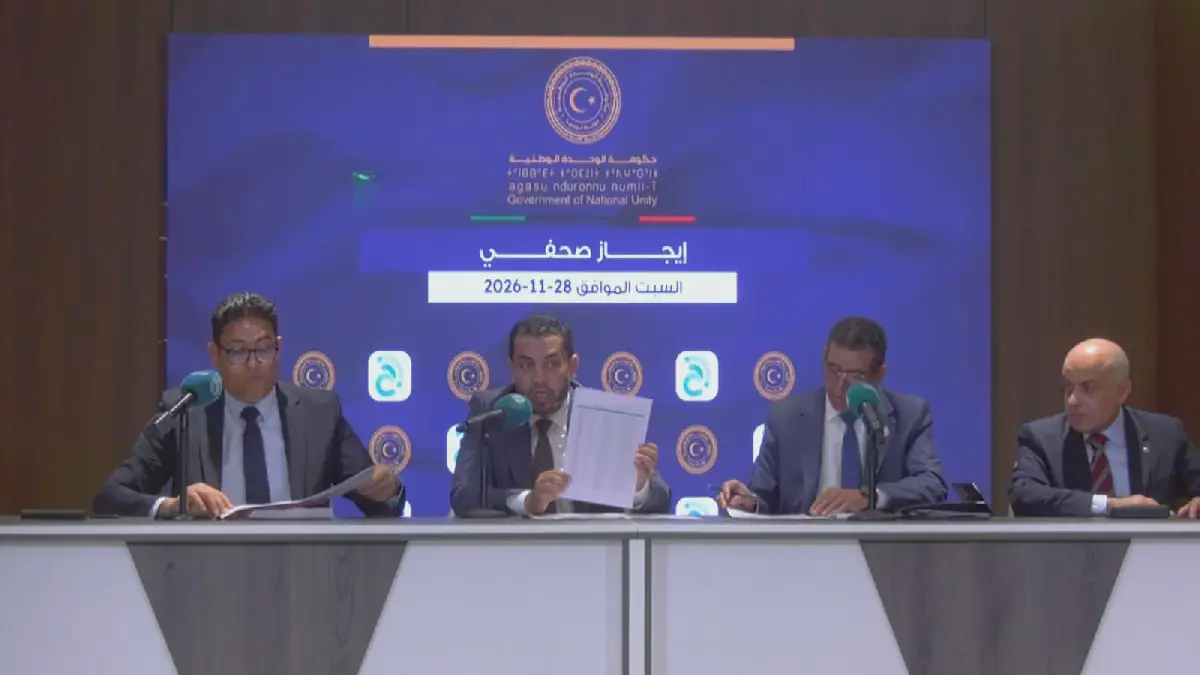
Libya's Minister of Finance, Rashid Bugha, has submitted a draft law on a unified salary system for all public administrative employees funded by the state's treasury to the House of Representatives for approval. This move is part of ongoing efforts since 2021 to meet the demands of teachers and public sector workers. The unified salary system aims to standardize and streamline payments across various government agencies.
According to the "Hukumtna" platform, a key government information outlet, the financial allocations have been made to various educational authorities across different municipalities. A total of 1.164 billion Libyan dinars has been allocated for the first tranche of salary differences for teachers, with each eligible teacher set to receive 2,000 dinars. This step is expected to address some of the longstanding grievances of the education sector.
In addition to the salary adjustments, the Ministry of Finance has also facilitated the release of 719.155 million dinars. This fund is designated for the disbursement of teaching allowance for the 2025-2026 academic year. The distribution of these funds is based on the details of entitlements allocated to educational authorities in various municipalities.
The Ministry's actions are seen as a significant step towards addressing the financial concerns of public sector employees, particularly teachers who have been vocal about their demands for better remuneration and working conditions. The unified salary law, once approved, is expected to bring about a standardized pay structure, potentially reducing disparities and anomalies in the current system.
The ongoing efforts by the Ministry of Finance are part of a broader strategy to reform the public sector's compensation framework. By centralizing and standardizing salary payments, the government aims to enhance transparency and efficiency in the management of public funds. This move is also expected to contribute to the overall stability and satisfaction within the public sector.
The release of funds for teacher bonuses and the submission of the unified salary law to parliament reflect the government's commitment to addressing the needs of its employees. These actions are likely to have a positive impact on the education sector, enabling teachers to focus on their duties with improved financial security.
As the unified salary law moves through the legislative process, its potential impact on Libya's public sector will be closely watched. The implementation of this law could set a precedent for further reforms aimed at enhancing the welfare of public sector employees and improving the overall efficiency of government operations.
Key points
- The Libyan Ministry of Finance has submitted a unified salary law to parliament, aiming to standardize payments for public sector employees.
- The ministry has allocated 1.164 billion dinars for salary differences for teachers and 719.155 million dinars for teaching allowances.
- The reforms are part of ongoing efforts to address the demands of teachers and public sector workers in Libya.
Reporting sources
- وزارة المالية تحيل قانون المرتبات للنواب وتسيّل علاوة الحصص للمعلمين · Libya Al Ahrar TV