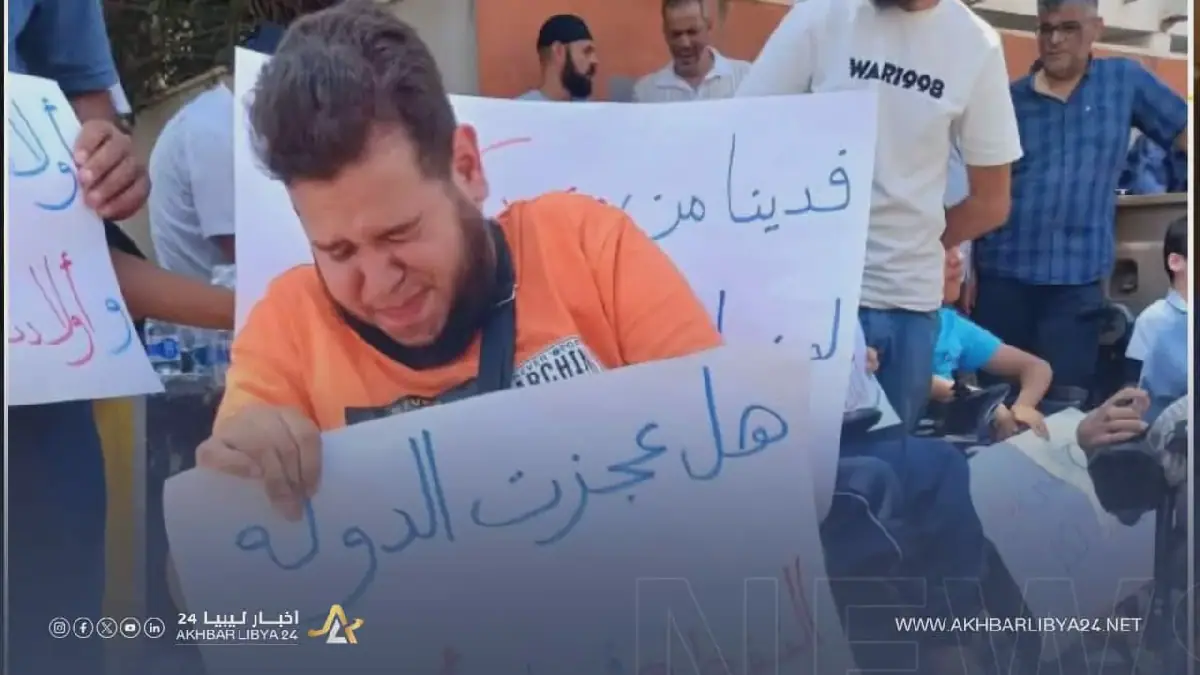
A severe shortage of essential medicines has left hundreds of Libyan patients with serious illnesses, including cystic fibrosis, cancer, and kidney failure, facing dire consequences. According to head of the Libyan Patients Union, Mahmoud Aboudbos, around 200 patients with cystic fibrosis have been without medication for years, sparking fears for their lives. The shortage has been particularly acute for cystic fibrosis patients, with 88 registered cases in Tripoli alone.
The crisis extends beyond cystic fibrosis, with over 80% of cancer patients unable to access necessary medication. Aboudbos pointed out that major treatment centers in cities such as Sabratha, Misrata, Benghazi, and Tripoli have been affected by the shortage. This has significant implications for patients undergoing treatment, as irregular doses can compromise the effectiveness of their care.
Patients with kidney failure and diabetes have also been impacted by the shortage, although to a lesser extent. Aboudbos reported that while supplies of some medications have improved, essential medicines such as "Benbara" and "Rinagel" for kidney failure patients remain unavailable. Diabetic patients have faced prolonged shortages of insulin and other vital medications.
Aboudbos has accused the Medical Supply Device of failing to provide necessary medications, despite instructions and correspondence from the Prime Minister and Minister of Government Affairs. He called for urgent action to address the crisis and ensure patients receive uninterrupted treatment. The Medical Supply Device is responsible for importing and providing medications.
The shortage has sparked concerns about the ability of Libyan healthcare systems to provide adequate care for patients with chronic illnesses. The situation has been exacerbated by the fact that some patients have been forced to travel abroad in search of treatment. Aboudbos urged regulatory bodies and concerned authorities to investigate the causes of the shortage and find solutions.
The crisis has highlighted the need for effective management of medical supplies and better coordination between healthcare authorities. Patients and their families are bearing the brunt of the shortage, facing increased health risks and emotional distress. Libyan authorities face mounting pressure to address the crisis and ensure the availability of essential medications.
The situation remains dire for many patients, with some facing life-threatening consequences due to the lack of medication. Efforts are needed to resolve the crisis and prevent further deterioration in the healthcare situation. Key stakeholders, including the Ministry of Health and the Medical Supply Device, must work together to find a solution and ensure that patients receive the care they need.
Key points
- Libyan patients with serious illnesses, including cystic fibrosis, cancer, and kidney failure, are struggling to access essential medications due to a severe shortage.
- The shortage has been linked to the failure of the Medical Supply Device to provide necessary medications, despite official instructions and correspondence.
- The crisis has significant implications for patients, with many facing life-threatening consequences due to the lack of medication.