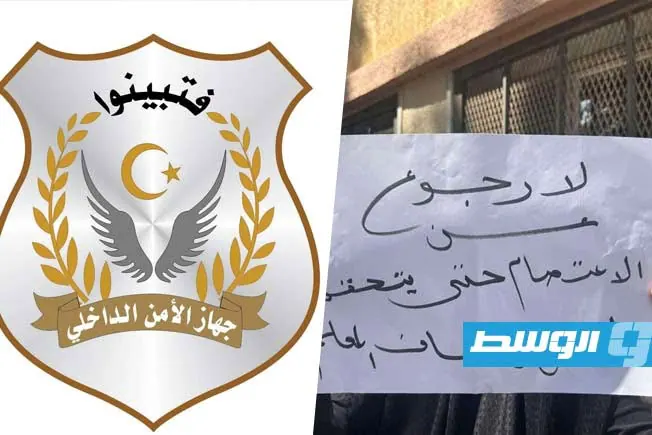
Libya's Internal Security Device, affiliated with the temporary National Unity Government, has warned against taking legal and security measures against those involved in closing educational institutions or disrupting the educational process. The warning comes amid the ongoing strike by teachers and the closure of several educational institutions in various Libyan regions. The device emphasized that it will not stand idly by in the face of these disturbances.
The Internal Security Device made the statement in a post on its Facebook page, following reports of the closure of several educational institutions and the disruption of the educational process in various areas. The device expressed its appreciation for the role of teachers and their right to demand their legitimate rights and improve their conditions through peaceful and legal means. However, it stressed the need to avoid harming the continuity of public services or disrupting the educational process.
The device considers educational security an integral part of the country's national security, and that undermining students' right to education or using educational institutions and service facilities as a means of pressure represents a violation of the law. It warned against inciting the closure of educational institutions or exploiting the teachers' movement for political purposes. The device also announced that it will take legal and security measures against those involved in disrupting the educational process.
The statement comes amid a standoff over the resumption of studies, after Prime Minister Abdul Hamid Dbeiba announced the resumption of the educational process. Dbeiba made the announcement following a meeting with the General Teachers' Syndicate of Libya. He emphasized the priority of students' right to education and the government's commitment to achieving justice in salaries and improving the conditions of state employees.
However, the Teachers' Movement in Libya announced the continuation of the general strike and sit-ins inside educational institutions until all their demands are met. The movement rejected the meeting with Dbeiba and any agreement or outcome that does not include a comprehensive and binding solution to their rights. The teachers' strike began on September 13, and was followed by a wave of closures of educational institutions.
The Internal Security Device called on all parties to resort to direct dialogue and official institutional channels to reach fair solutions that contribute to settling dues and meeting legitimate demands, without harming the future of students. The device's warning reflects the government's concern about the impact of the teachers' strike on the educational process and the country's stability.
The teachers' movement is demanding improvements in their salaries, benefits, and working conditions. They also want a comprehensive and binding agreement on their rights. The government's response to these demands will likely determine the course of the teachers' strike and the stability of the educational process in Libya.
Key points
- The Libyan government has warned against the closure of educational institutions.
- The teachers' strike has entered its second month.
- The government has offered to improve teachers' salaries and working conditions.