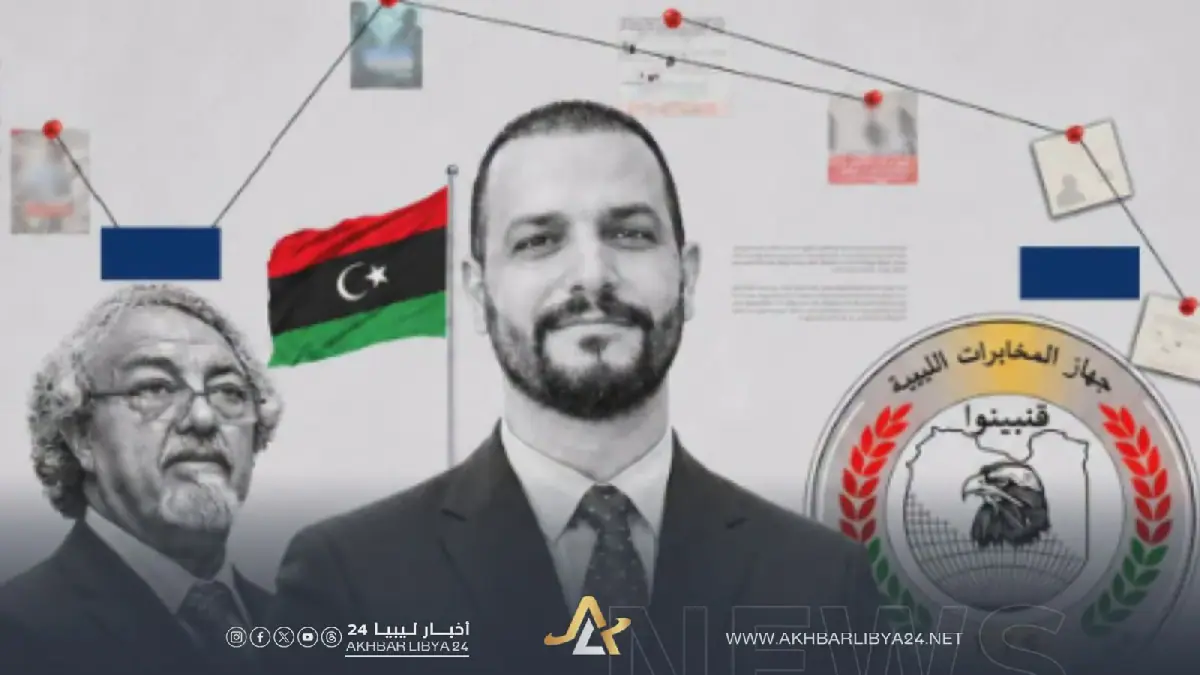
A recent incident involving a Libyan citizen, Mohamed Bawandi, has exposed a rift between the country's security agencies. The Presidential Council and the Intelligence Agency have issued conflicting reports regarding Bawandi's detention. The council claims Bawandi was kidnapped and demands his immediate release, while the agency asserts that he is in their custody on suspicion of involvement in national security and social fabric-related matters.
The Presidential Council has described the entity responsible for Bawandi's detention as illegitimate, citing irregular funding and affiliation. The council has called for Bawandi's immediate release and directed military and security agencies to intervene. They also demand that those involved in the alleged kidnapping be prosecuted by military courts. This stance reflects the council's view that Bawandi's detention is an unlawful act requiring security intervention and accountability.
In contrast, the Libyan Intelligence Agency has confirmed that Bawandi is in their custody, stating that his detention is part of an ongoing investigation into his alleged ties to national security breaches. The agency claims that their actions are within their legal mandate and that Bawandi's rights are being respected. They have also emphasized that the investigation is still in its preliminary stages and that Bawandi will be referred to the relevant judicial authorities once the probe is complete.
The conflicting reports from the Presidential Council and the Intelligence Agency raise questions about the jurisdiction and coordination among Libya's security agencies. The discrepancies highlight concerns about the lack of cohesion in the country's security apparatus and its impact on citizens' rights and stability in the capital, Tripoli. This incident underscores the challenges posed by the proliferation of security agencies and centers of decision-making in Libya.
The Bawandi case has sparked concerns about the rule of law and the protection of citizens' rights in Libya. The situation has created uncertainty about which agency has the authority to detain individuals and the legal basis for such actions. This confusion can undermine trust in state institutions and exacerbate existing security challenges in the country.
The incident has also drawn attention to the need for greater coordination and communication among Libya's security agencies. The lack of a unified approach to security and justice can create opportunities for human rights abuses and undermine efforts to stabilize the country. It is essential that Libyan authorities address these issues to ensure accountability, transparency, and the protection of citizens' rights.
The fate of Mohamed Bawandi and the resolution of the conflicting reports from the Presidential Council and the Intelligence Agency remain uncertain. What is clear, however, is that the incident has highlighted the need for Libya to address its internal security challenges and ensure that citizens are protected from arbitrary detention and human rights abuses.
Key points
- Conflicting reports from Libya's security agencies over a detained citizen reveal divisions within the country's security apparatus.