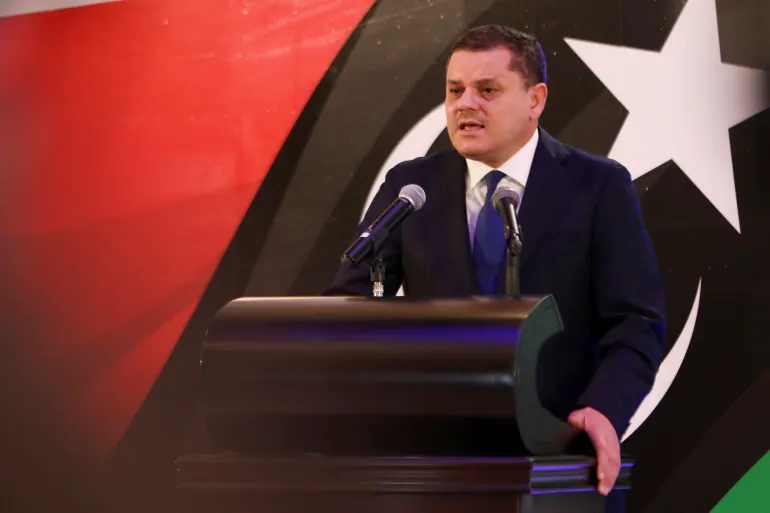
On Tuesday, September 22, 2026, Libya's interim government leader, Abdulhamid Dbeiba, called on citizens to conserve energy and announced plans to restructure the electrical police force. This move aims to prevent future power outages, like those experienced during the recent summer. Dbeiba made these statements during a meeting with the new management board of the General Electricity Company to discuss the network's status and maintenance programs.
Dbeiba expressed his desire to see the electrical police force become a strong deterrent against excessive energy consumption. He emphasized the importance of rationalizing electricity usage and supporting the electrical police in their efforts. The government plans to implement measures to ensure a stable power supply and enforce payment of electricity bills. Citizens will be required to install meters and pay their bills.
According to the General Electricity Company, the western region faces a significant electricity shortage of 1550 megawatts, while the eastern region has a deficit of 850 megawatts. These numbers highlight the scale of the challenge facing Libya's electricity infrastructure. The government's efforts to address these issues are crucial to providing reliable power to its citizens.
The recent summer saw frequent power outages across Libya, which Dbeiba attributed to excessive energy consumption and inefficient use of resources. To mitigate this, the government will work to optimize energy production and distribution. The electrical police force will play a key role in enforcing energy conservation measures and ensuring that citizens comply with new regulations.
Libya's citizens are eager for a stable and reliable electricity supply. Dbeiba acknowledged that the public is primarily concerned with having a consistent power supply, rather than focusing on technical details or statistics. The government's commitment to addressing the electricity crisis is a positive step towards improving the quality of life for Libyans.
The restructuring of the electrical police force is part of a broader effort to improve Libya's infrastructure and public services. By addressing the root causes of power outages and implementing measures to prevent future disruptions, the government aims to provide a more reliable electricity supply. This, in turn, will support economic growth and improve living standards for Libyans.
The government's initiatives to tackle the electricity crisis have been well-received by the public. As the country moves forward, it is essential that the government continues to prioritize the needs of its citizens and works to deliver tangible results. By doing so, Libya can build a more stable and prosperous future for its people.
Key points
- Libya's interim government has pledged to address the country's recurring electricity outages and restructure the electrical police force.
- The government aims to prevent future power outages and ensure a stable power supply by enforcing energy conservation measures.
- The western and eastern regions face significant electricity shortages of 1550 megawatts and 850 megawatts, respectively.