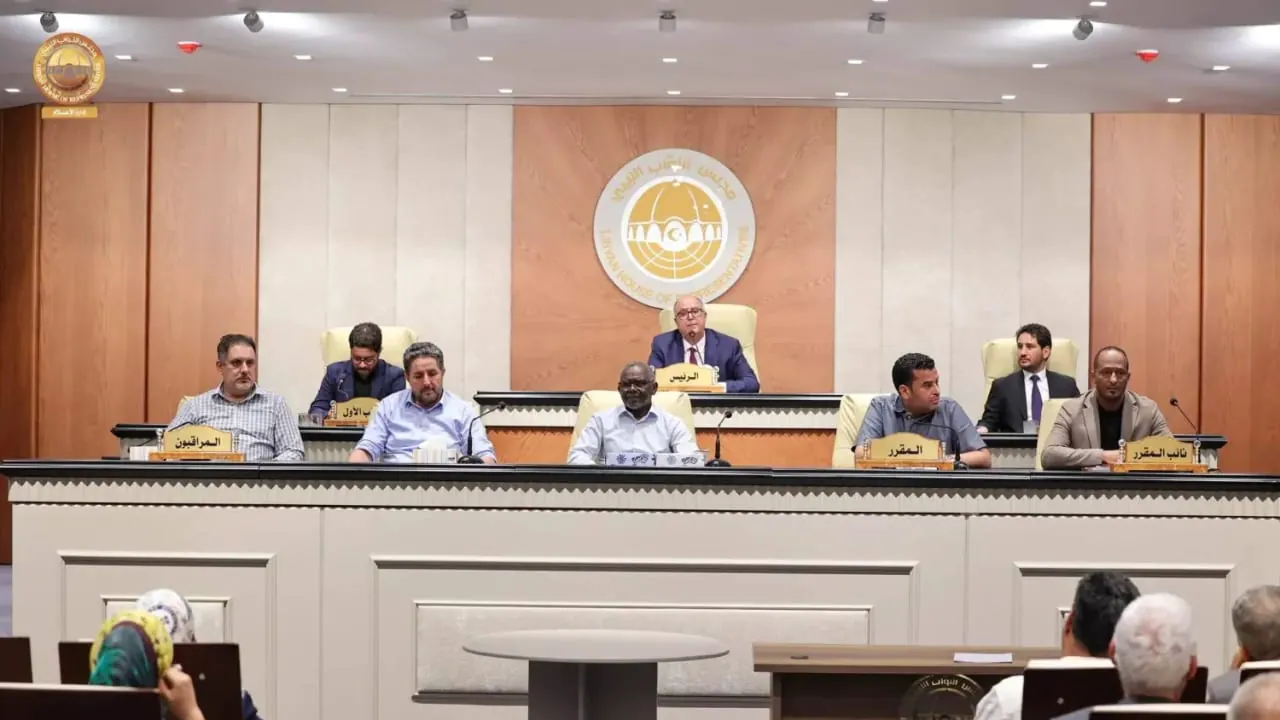
The Libyan House of Representatives has sent an official letter to the Finance Ministry, requesting that it take necessary legal actions to disburse financial differences to teachers as stipulated by law. The letter, dated October 11, 2026, instructs the ministry to begin disbursing differences for the first year within this month. This move comes after an agreement was reached during a meeting held at the House of Representatives in Benghazi, attended by representatives of the teachers' movement.
The agreement established a mechanism for disbursing financial differences in four phases over four years. According to the plan, differences for the first year will be paid along with October's salaries. The House of Representatives also urged the Finance Ministry to communicate directly with relevant authorities to obtain required financial data and information. The ministry is expected to inform the House of Representatives about the results of its actions and implementation procedures.
The education crisis in Libya continues as the teachers' strike enters its second month. The situation is marked by growing protests and varying positions on resuming studies. In several cities, including Tripoli, Tajoura, Zawiya, Qasr bin Ghashir, and Qasr al-Akhyar, teachers have organized demonstrations, refusing to return to work until their demands are met.
The teachers' demands have been a major concern for the Libyan education sector. Despite efforts to address these issues, a resolution has yet to be reached. The House of Representatives' recent move aims to alleviate the crisis by ensuring that teachers receive their rightful payments. However, it remains to be seen how effective this measure will be in resolving the ongoing dispute.
Libya Al Ahrar TV reported that the situation remains tense, with no clear indication of when the strike will end. The teachers' movement has gained momentum, with educators across the country calling for better working conditions and timely payments. The government faces mounting pressure to address these concerns and find a lasting solution to the crisis.
The education sector in Libya has faced significant challenges in recent years, including delayed salaries and inadequate infrastructure. The current strike highlights the need for a comprehensive overhaul of the sector to address these issues and ensure that teachers can work effectively. The House of Representatives' intervention is seen as a step in the right direction, but more efforts are needed to resolve the crisis.
The Libyan government has been urged to prioritize the education sector and work towards finding a lasting solution to the crisis. With the strike showing no signs of ending, the situation remains a pressing concern for authorities. The House of Representatives' call for the Finance Ministry to disburse teacher salary differences is a key step towards resolving the issue, and its implementation will be closely watched.
Key points
- The Libyan House of Representatives has requested that the Finance Ministry disburse financial differences to teachers within four years.
- The education crisis in Libya continues as the teachers' strike enters its second month.
- The House of Representatives' move aims to alleviate the crisis by ensuring that teachers receive their rightful payments.