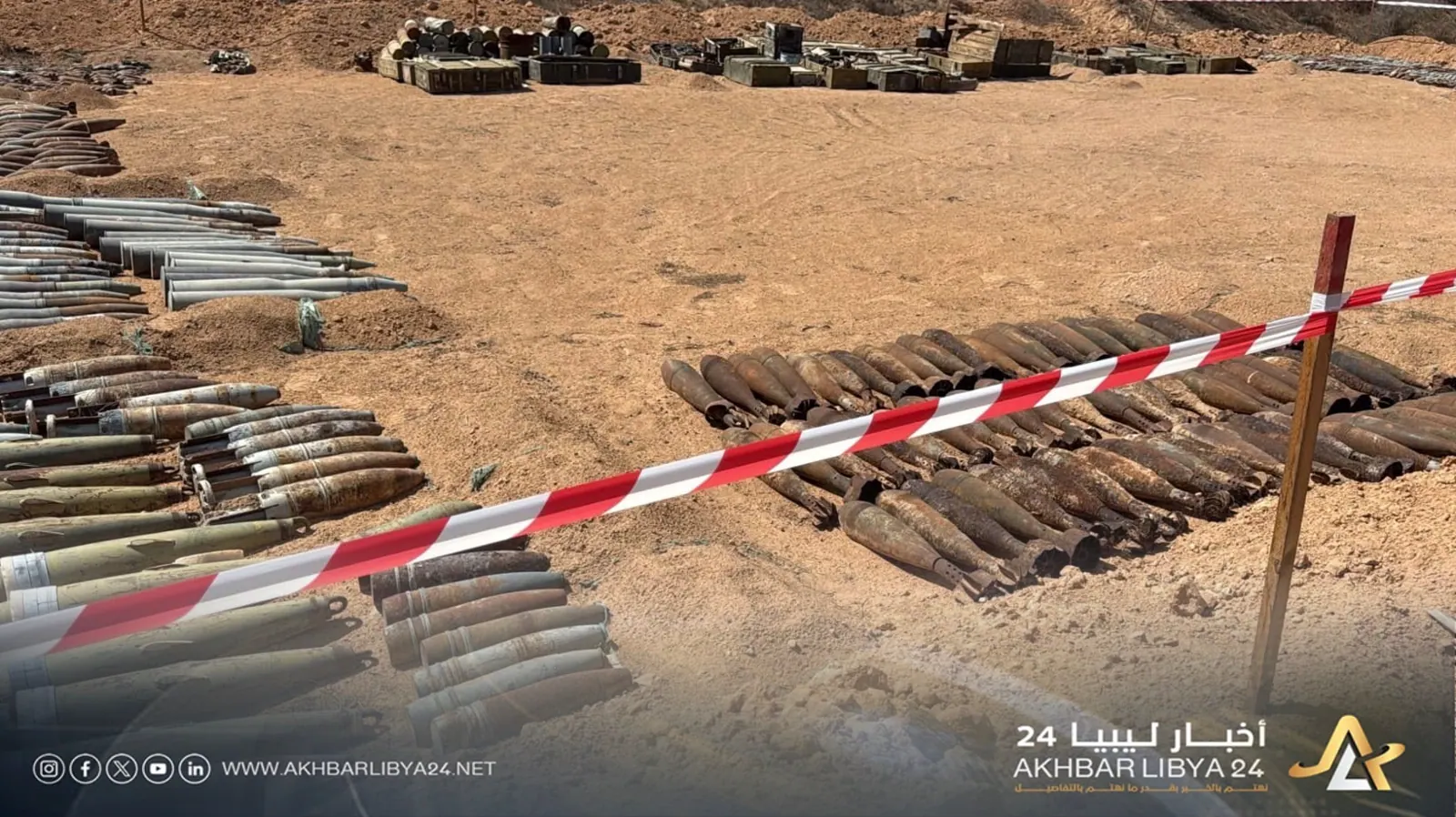
A recent report by the United Nations Mine Action Service (UNMAS) revealed that 14,066 explosive ordnance items were removed from a farm in Misrata, Libya, between January and September 2026. The effort was part of a larger initiative to clear the city of relics from past conflicts. Despite this progress, concerns remain about the risks posed by unexploded ordnance and the need for continued demining efforts.
The UNMAS team visited Misrata to assess the situation and discuss ways to enhance protection for civilians. They met with the municipal council to explore options for expanding demining operations to areas such as Zamzam, Al-Washka, and Abu Qrein. The council's head, Mahmoud Al-Saqatri, requested international support for these efforts and emphasized the importance of raising awareness about the dangers of unexploded ordnance.
The risks associated with unexploded ordnance are significant. According to Fatima Zariq, head of UNMAS, civilians should not be exposed to such dangers, and preventative measures can help avoid future incidents. The UNMAS team highlighted the need for proper storage and handling of explosive materials to prevent accidents.
A recent explosion in the Al-Sikt area of Misrata underscored the risks associated with poor storage practices. Investigations have shown that many such incidents are linked to inadequate storage conditions and a lack of adherence to international guidelines. Addressing these issues is crucial to preventing future accidents.
The issue of unexploded ordnance is closely tied to the broader challenges facing Libya's institutions. The UN has emphasized the importance of unifying state institutions, including the executive and security branches. Effective management of explosive materials is a key aspect of this effort, requiring clear lines of responsibility and robust safety protocols.
The international community is providing support for demining efforts in Libya. The UNMAS team observed the work of partners, including Halo Trust and the Libyan Peace Organization, which are working to clear explosive ordnance and raise awareness about the risks. These efforts are funded by the Italian government and aim to build national capacity for managing weapons and explosives.
While progress has been made in removing unexploded ordnance, much work remains to be done. The number of explosive items removed from a single site in Misrata highlights the scale of the challenge. Ensuring the safe storage and handling of explosive materials is essential to protecting civilians and preventing future accidents.
Key points
- The UNMAS has removed 14,066 explosive ordnance items from a farm in Misrata, Libya, between January and September 2026.
- Unexploded ordnance poses a significant threat to civilians in Misrata, with concerns about poor storage practices and the need for continued demining efforts.
- The international community is providing support for demining efforts in Libya, including funding and technical assistance.