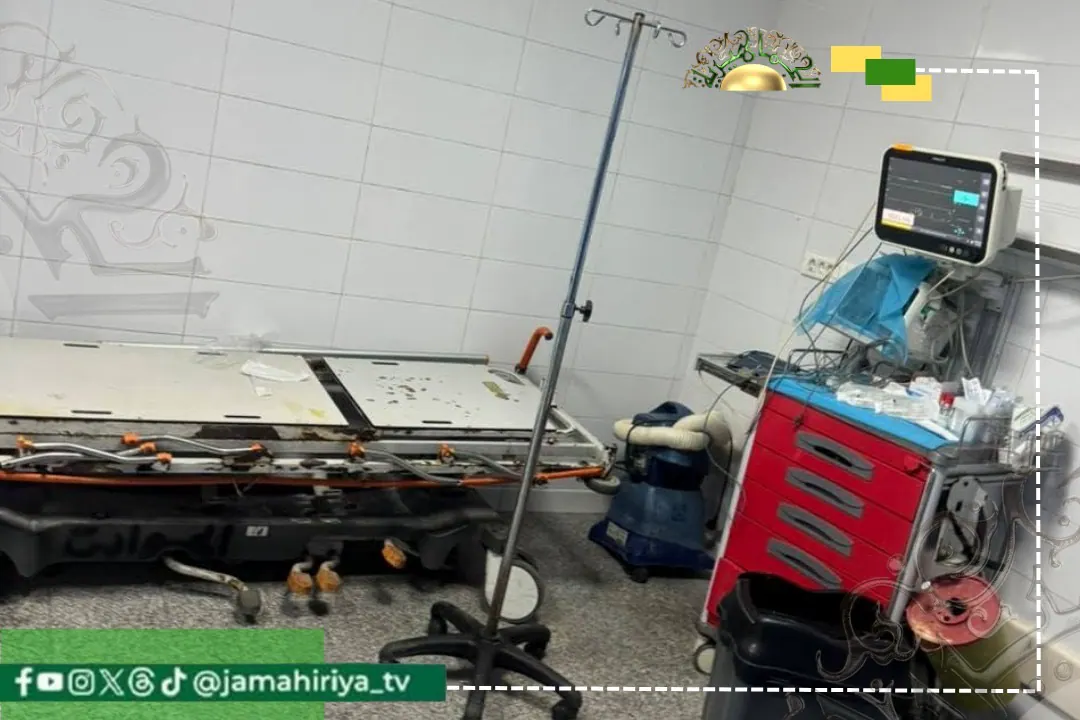
The Libyan healthcare sector is facing a severe crisis, with the country's central hospital in Tripoli being a stark example of the system's collapse. The hospital's facilities, including patient rooms, beds, furniture, floors, and ceilings, are in dire need of maintenance and renovation. This has raised concerns about the quality of care provided to patients and the working conditions for medical staff.
The Libyan Health Sector Movement, a coalition of healthcare professionals, has expressed alarm over the state of the hospital and the broader healthcare system. They argue that the Ministry of Health's priorities are misplaced, with too much focus on conferences, workshops, and events, rather than addressing the fundamental needs of the sector. This has resulted in a shortage of basic equipment and resources, making it difficult for hospitals to provide adequate care.
The movement has emphasized that the development of the healthcare sector should start with the rehabilitation of hospitals and the provision of a safe and respectful environment for patients and staff. They argue that resources should be directed towards facilities that treat patients daily, rather than being squandered on conferences and events. This, they believe, is essential for providing quality healthcare and preserving the dignity of citizens and healthcare workers.
The crisis in Libya's healthcare sector is not a recent development. Since the 2011 uprising, the sector has suffered from a lack of maintenance and investment, leading to a decline in services and infrastructure. Prior to 2011, Libya's hospitals and healthcare facilities were well-equipped and provided comprehensive care, with regulatory bodies overseeing performance and holding those accountable for shortcomings.
The current state of Libya's hospitals is a reflection of the broader decline in the country's public services. The lack of effective oversight and investment in maintenance has had far-reaching consequences, with citizens and healthcare workers bearing the brunt of the crisis. The healthcare sector's collapse has significant implications for the country's overall well-being and highlights the need for urgent reform.
The Libyan Health Sector Movement is calling for a fundamental shift in the way the healthcare sector is managed and funded. They argue that the focus should be on providing quality care and improving infrastructure, rather than indulging in conferences and events. This, they believe, will require a significant change in the Ministry of Health's priorities and a commitment to addressing the sector's core challenges.
As the crisis in Libya's healthcare sector deepens, there are concerns about the long-term consequences for the country's health and well-being. The situation at Tripoli's central hospital is a stark reminder of the need for urgent action to address the sector's shortcomings and ensure that citizens receive the care they deserve.
Key points
- The Libyan healthcare sector is in crisis due to years of neglect and underinvestment.
- The Tripoli central hospital is in dire need of maintenance and renovation.
- The healthcare sector's collapse has significant implications for the country's overall well-being.