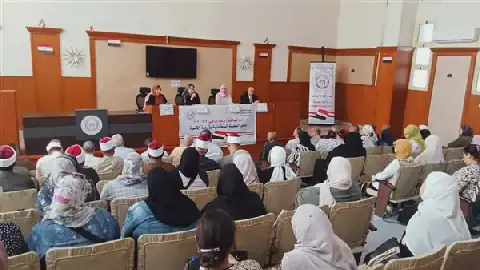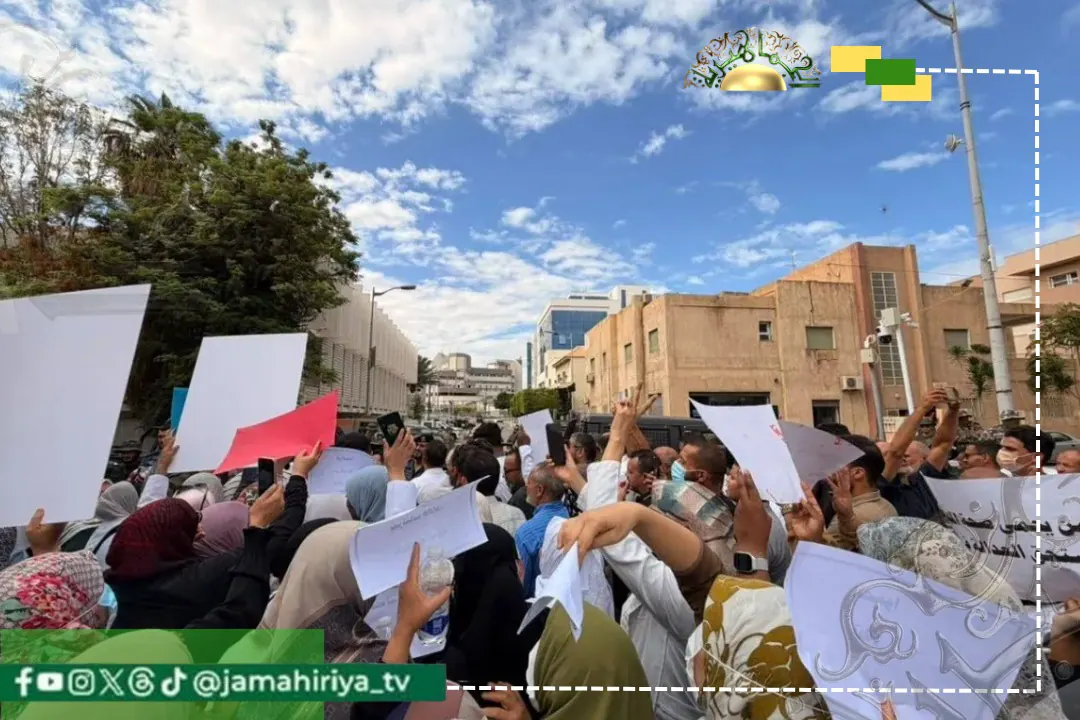
The healthcare sector in Libya is experiencing heightened tensions, with protests by doctors and medical staff over pay, working conditions, and a shortage of medical supplies. The protests, which began at several healthcare facilities in western Libya, including Tripoli's University Hospital, have been sparked by disagreements with the government over salary increases and working conditions.
According to Suleiman Al-Somadi, Coordinator General of the Health Sector Movement in Libya, the situation has reached unprecedented levels of discontent, with some workers calling for a complete shutdown of healthcare facilities. The movement is trying to persuade them to reconsider and contain the crisis. The protests highlight the deep-seated issues within Libya's healthcare system.
One of the key issues is the recent 10% salary increase implemented by the government, which some doctors feel is inadequate given the rising cost of living and inflation. The current salaries of around $400 per month have been deemed insufficient by many medical professionals. Furthermore, there are concerns about the lack of medical supplies, including essential equipment and medications.
The detention of four medical staff members - two doctors and two nurses - on investigation has further exacerbated the situation. The Health Sector Movement organized a protest to demand their release, while medical unions in Zliten condemned their continued detention and six-day extension of their custody. The incident has raised concerns about the protection of medical staff and the rule of law.
The healthcare sector's problems are multifaceted, with demands for better insurance, activation of allowances and job benefits, and addressing staff shortages. There are also concerns about the migration of skilled medical professionals and the need to protect them while they work. The situation has sparked fears of a potential collapse of healthcare services if the issues are not addressed.
Medical staff at Tripoli's University Hospital have warned of potential escalation, including a work stoppage and mass resignations, but emphasized that the protests do not aim to disrupt medical services for critical and emergency cases. The situation remains volatile, with many calling for a resolution to the crisis and the release of the detained medical staff.
The healthcare sector's crisis in Libya has significant implications for the country's already vulnerable population. With many medical professionals demanding better working conditions and the release of detained colleagues, the situation is likely to remain unstable until a resolution is reached. The international community is watching closely, as the crisis has the potential to further destabilize the region.
Key points
- Libya's healthcare sector is facing a crisis due to protests by doctors and medical staff over pay, working conditions, and staff detentions.
- The protests have been sparked by disagreements with the government over salary increases and working conditions.
- The detention of four medical staff members has further exacerbated the situation, with demands for their release and concerns about the protection of medical staff.