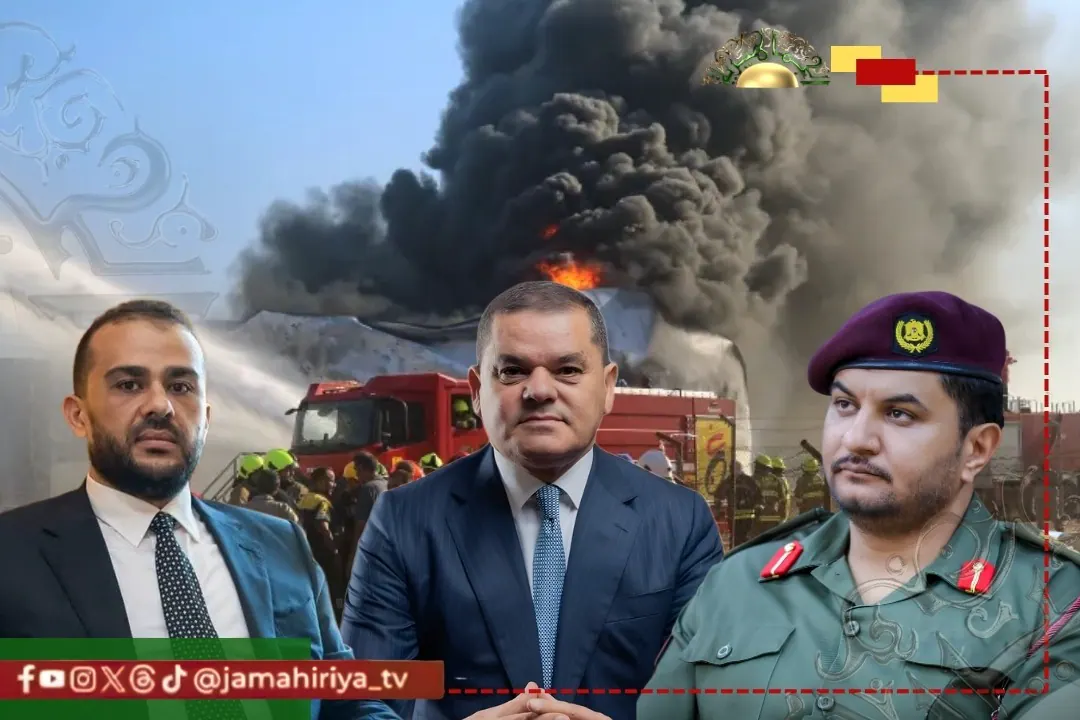
Libya's political landscape is witnessing significant developments as the government of Abdul Hamid Dbeibah navigates its relationships with various armed groups and engages in negotiations with Khalifa Haftar, a prominent figure in the country's military. According to Hassan Abdul Mouli, a political science professor, the recent dismantling of a sabotage cell is part of ongoing efforts to weaken Dbeibah's government. These actions are unfolding against the backdrop of Dbeibah's continued negotiations with Haftar.
The Libyan government has reportedly reached an agreement with the Deterrence Device, an armed group, allowing it to redeploy in areas under its influence within Tripoli. This development comes despite previous disagreements between the two parties. The move is seen as part of the government's strategy to secure its position and control. The agreement was made ahead of a significant meeting between the government and leaders of armed groups in Tripoli.
The meeting, which took place on the eve of attacks on an oil facility in Zawiya, aimed to implement a plan for enhanced security control over the city. This strategic move reflects the government's efforts to break the siege it faces and acknowledges that sources of pressure may be linked to political efforts aimed at reaching an agreement with the General Command in Benghazi. The General Command, led by Haftar, plays a crucial role in Libyan politics and military affairs.
The Deterrence Device has ties to its social base in the Souk Al-Jumaa area, which played a significant role in the protests that occurred in Tripoli during August. The protests were part of a broader wave of discontent with the political situation in Libya. The government's agreement with the Deterrence Device to allow its redeployment in Souk Al-Jumaa areas came after the protests were halted. This move suggests a tactical adjustment by the government to manage its relationships with various armed groups and their social bases.
In Zawiya, a city that has become a battleground, a confrontation is underway between an armed group known as the "Device for Combating Security Threats," which is loyal to Dbeibah's government and controls the city's oil complex, and other armed factions. Some of these factions are aligned with figures close to Haftar, indicating the complex web of alliances and rivalries in the region. The situation in Zawiya reflects the broader challenges facing Libya's government in maintaining security and stability.
The ongoing developments in Libya highlight the intricate dynamics at play in the country's political and security landscape. The government's maneuvers with armed groups and its engagement with key military leaders like Haftar are critical factors in understanding the current situation. These actions have implications for the future of Libya's political process and its quest for stability. The international community is closely watching these developments, given Libya's strategic importance in the region.
As Libya continues to navigate its complex political and security challenges, the role of various armed groups and their relationships with the government will remain a crucial aspect of the country's trajectory. The situation in Zawiya and the government's agreements with groups like the Deterrence Device are indicative of the tactical and strategic moves being made to consolidate power and address security concerns. The path forward for Libya, marked by negotiations and confrontations, will likely be shaped by these dynamics in the coming months.
Key points
- The Libyan government is navigating complex relationships with armed groups.
- The government is engaged in negotiations with Khalifa Haftar.
- Zawiya has become a battleground between armed groups loyal to the government and those aligned with Haftar.