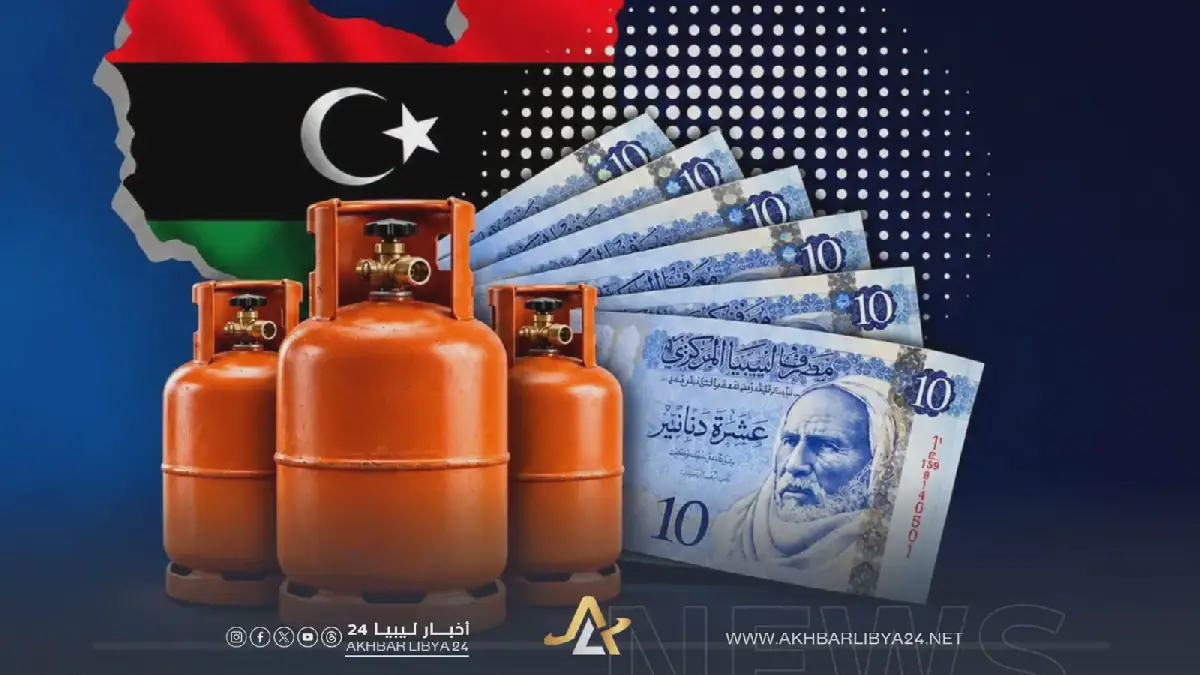
Libya is experiencing a severe cooking gas shortage, with long queues forming outside distribution centers and black market prices skyrocketing. The crisis has become a recurring problem, burdening citizens and small businesses. Despite massive imports, the shortage persists, with citizens waiting for hours to obtain gas cylinders at the official price of five dinars. The situation has led to a thriving black market, where gas cylinders are selling for as high as 120 dinars.
The crisis has been exacerbated by a decline in gas supplies, which are the responsibility of the National Oil Corporation. The shortage has resulted in reduced quantities available at filling stations, leading to long queues and difficulties for citizens in obtaining essential supplies. The situation has also affected small businesses, such as restaurants and cafes, which rely heavily on cooking gas. Many have been forced to reduce their operating hours or incur additional expenses to secure supplies.
The Libyan government has spent massive amounts on importing fuel, with the cost of imports reaching $8.9 billion in the first nine months of 2026. However, despite this significant expenditure, the gas crisis persists. The situation has raised questions about the efficiency of fuel management and the impact of spending on meeting local market needs. The ongoing crisis has also highlighted the need for sustainable solutions to address the shortages.
In an effort to alleviate the crisis, the Brega Oil Marketing Company has established gas filling stations in several cities. However, the crisis has revealed deeper issues with gas supplies, which are the responsibility of the National Oil Corporation. The shortage has resulted in reduced quantities available at filling stations, leading to long queues and difficulties for citizens.
The gas crisis has led to an increase in the sale of electric cooking stoves, as citizens seek alternative solutions to meet their daily needs. The market for these stoves has seen a surge in demand, with many households opting for electric cooking solutions due to the shortage and high prices of gas. However, this shift is not a long-term solution to the crisis.
The crisis has also had a significant impact on small businesses, such as restaurants and cafes, which rely heavily on cooking gas. Many have been forced to reduce their operating hours or incur additional expenses to secure supplies. The situation has raised concerns about the potential for further losses and the impact on the local economy.
The gas crisis is part of a broader pattern of fuel shortages in Libya, with recurring crises affecting the availability of fuel and gas. The situation has highlighted the need for sustainable solutions to address the shortages and ensure a stable supply of essential goods. The government faces challenges in managing fuel supplies and regulating the black market.
Key points
- The Libyan government has spent $8.9 billion on fuel imports in the first nine months of 2026.
- Gas cylinders are selling for as high as 120 dinars on the black market.
- The crisis has led to long queues and difficulties for citizens in obtaining essential supplies.