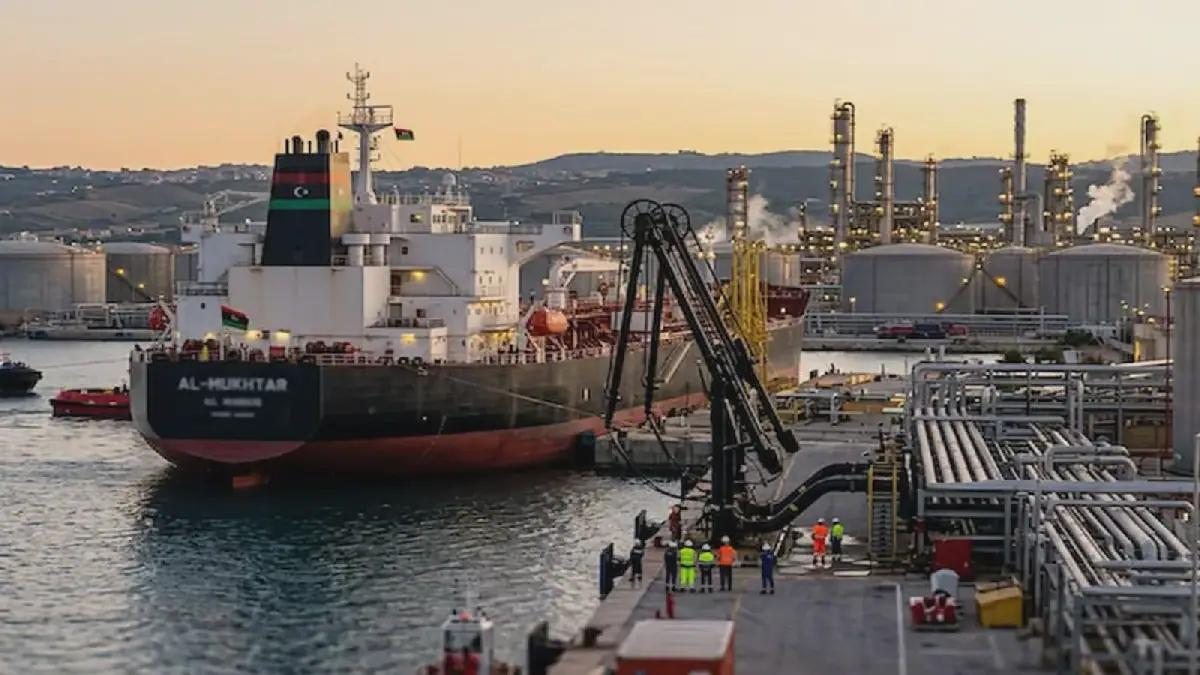
The cost of importing fuel to Libya has fluctuated between $1 billion and $1.5 billion per month over the past few months, according to the country's National Oil Corporation. The corporation attributes the rising fuel bill to increased global fuel prices, reduced supply in the markets, and higher costs for hiring sea tankers. Additionally, the corporation notes that domestic consumption has also increased.
The National Oil Corporation released a statement regarding fuel shipments received in October 2026, highlighting that developments in the Strait of Hormuz and the Russian-Ukrainian war have contributed to the global rise in fuel prices. This has led to disruptions in supplies and increased sea transportation costs. In terms of domestic market supplies, data shows that 41 shipments of gasoline and diesel arrived at Libyan ports in October, consisting of 23 gasoline shipments and 18 diesel shipments.
Fuel imports are carried out according to contracts concluded under the general tender issued in February 2026, overseen by the Audit Bureau and the Office of the Public Prosecutor. Over 30 international companies specialized in this field participated in the tender. The Brega Oil Marketing Company is responsible for determining the monthly needs of the local market, based on consumer data, before submitting them to a committee formed by a Council of Ministers decision.
The committee, which includes representatives from relevant authorities, reviews and approves the needs before completing the contracting procedures for the required shipments. The National Oil Corporation notes that limited storage capacities and weak investment allocations necessary for their development are among the challenges affecting the fuel supply system. The movement of tankers and refineries, as well as fluctuations in global prices, also pose difficulties.
Despite these challenges, the corporation asserts that the fuel supply chain for the domestic market is proceeding normally. It highlights the success of the international marketing management in overcoming previous supply crises and its commitment to providing market needs monthly without delay, as far as possible. The high import bill underscores the financial burdens of importing fuel to meet local market demands.
The situation is further complicated by the ongoing impact of global market developments and sea transportation costs on prices. The National Oil Corporation's efforts to manage the fuel supply chain and meet domestic demands are crucial in this context. The corporation's statement provides insight into the complexities of fuel supply in Libya and the factors contributing to the rising import bill.
The Libyan government's management of the fuel supply and import bill will likely continue to face challenges due to global market fluctuations and domestic consumption patterns. The National Oil Corporation's role in ensuring a stable fuel supply will remain critical in addressing these challenges and meeting the country's energy needs.
Key points
- The rising fuel import bill is attributed to increased global fuel prices, reduced supply, and higher transportation costs.
Reporting sources
- مليار ونصف دولار شهريا.. فاتورة المحروقات تواصل الارتفاع · Libya Al Ahrar TV