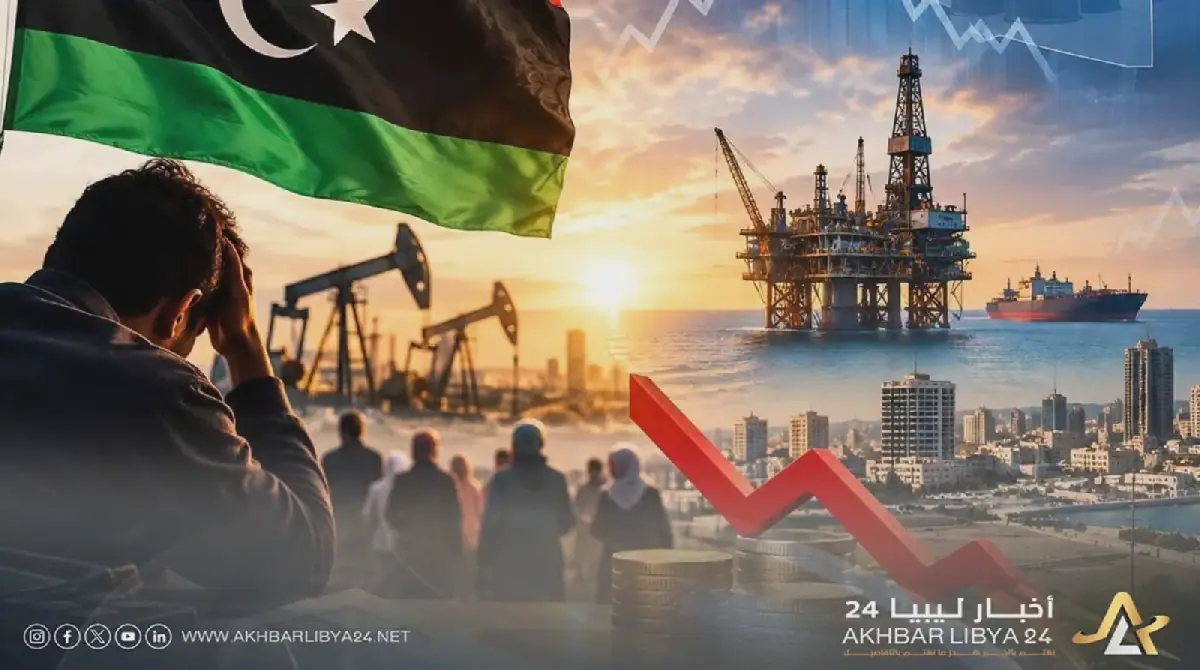
Libya is grappling with a severe economic contradiction, relying heavily on fuel imports to meet domestic demand despite possessing substantial oil reserves. The country's oil wealth, estimated at 48.3 billion barrels, is overshadowed by its inability to efficiently manage production, refining, and distribution. This has led to a significant increase in fuel imports, with 8.15 million tons imported between January and September 2026, costing $8.9 billion.
The scale of the problem is further complicated by widespread smuggling, with estimates suggesting that 30-50% of imported fuel is diverted to black market networks. This results in substantial financial losses, ranging from $2.4 billion to $4.4 billion. The smuggling not only deprives the state of much-needed revenue but also exacerbates the country's fuel shortages, highlighting the need for effective measures to curb this illicit trade.
The French magazine "Lobwan" has described Libya as the "new Venezuela," highlighting the stark contrast between the country's vast oil wealth and its crippling economic challenges. The magazine attributes Libya's woes to a combination of factors, including political divisions, corruption, and inadequate governance. These issues have hindered the country's ability to manage its oil resources effectively, leading to a decline in production and revenue.
The impact of Libya's fuel crisis is felt across various sectors, with the country's economy heavily reliant on oil and gas exports, which account for approximately 90% of its revenue. The ongoing instability and disruptions to oil production have resulted in significant revenue losses, further exacerbating the country's economic challenges. The situation has also led to increased inflation and a decline in the purchasing power of Libyan citizens.
In an effort to address the crisis, the Libyan government has awarded exploration licenses to international companies, including Chevron, BP, and Eni. However, the success of these ventures depends on the country's ability to provide a stable investment environment, ensure the security of oil operations, and combat corruption and smuggling. The outcome will be crucial in determining Libya's ability to boost oil production and alleviate its fuel shortages.
The Libyan government's ability to manage its oil resources effectively is critical to addressing the country's economic challenges. The country's oil production has been impacted by disruptions to operations, including the closure of a key pipeline valve. This has resulted in significant revenue losses, highlighting the need for the government to take decisive action to protect the country's oil resources and ensure the stability of the sector.
The road to recovery for Libya's economy will be long and challenging. The country's experience serves as a stark reminder of the importance of effective resource management, good governance, and the need for economic diversification. As Libya navigates its complex economic landscape, it is clear that addressing the fuel crisis and promoting economic stability will require a concerted effort from the government, international partners, and the Libyan people.
Key points
- Libya's fuel crisis is attributed to a combination of factors, including political divisions, corruption, and inadequate governance.
- The country's oil production and revenue have been impacted by disruptions to operations and widespread smuggling.
- The Libyan government has awarded exploration licenses to international companies in an effort to boost oil production and alleviate fuel shortages.