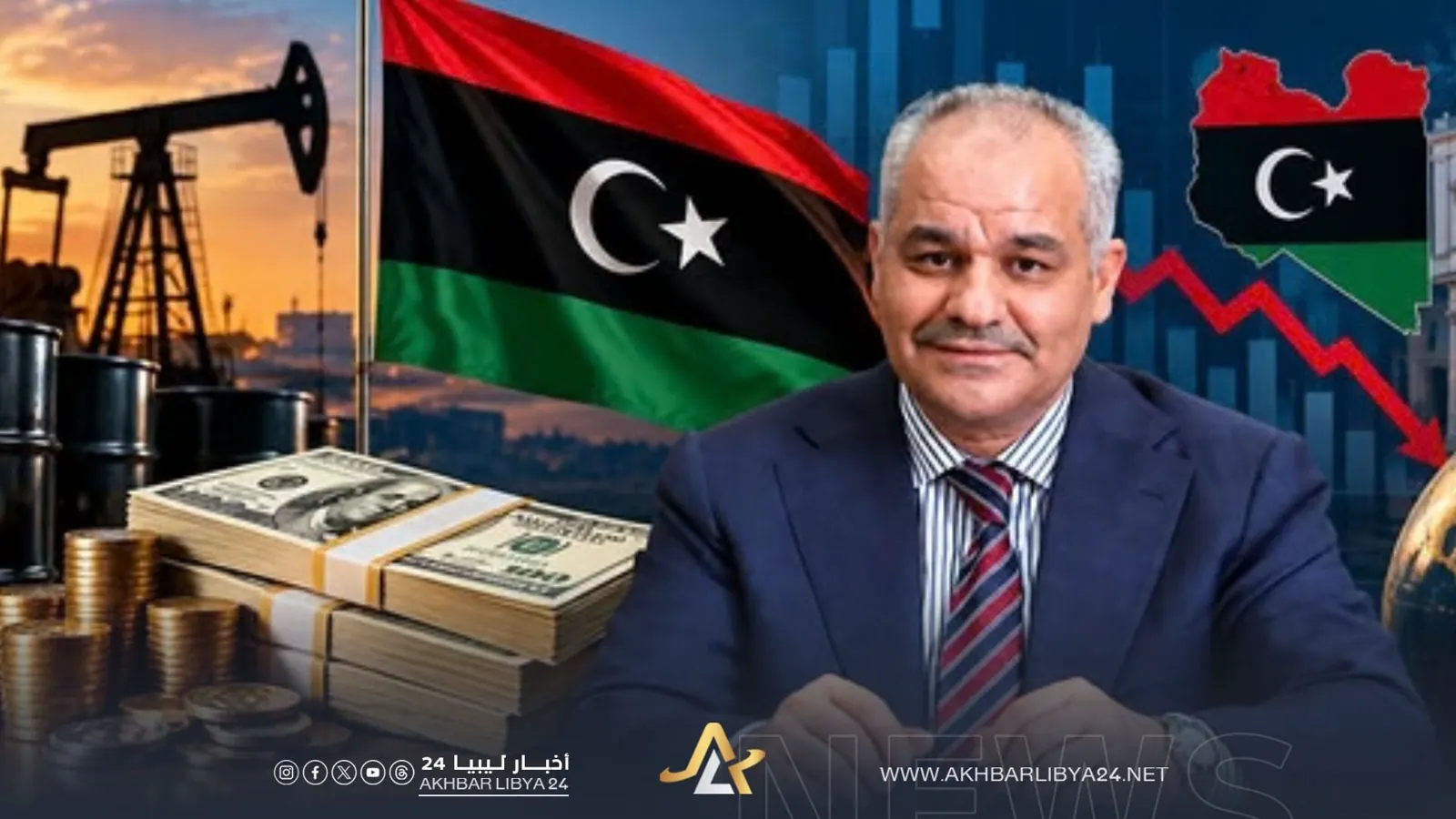
Libya's economy is facing significant challenges as the foreign exchange gap reaches $4.7 billion. According to the Central Bank of Libya, the country's revenues from oil and other sources totaled $17.6 billion during the first nine months of 2026, while the use of foreign currency reached $22.3 billion. This gap has put pressure on the country's foreign exchange reserves, which have declined from $99.4 billion at the end of 2025 to $95 billion by the end of September 2026.
The decline in foreign exchange reserves has raised concerns about the country's ability to meet its external obligations. The Central Bank of Libya has stated that it has covered the gap through returns on its investments in deposits, bonds, and gold. However, the bank's data shows that the country's foreign assets have declined by $4.4 billion during the same period. This decline has sparked concerns about the sustainability of the country's foreign exchange reserves and its ability to meet the growing demand for foreign currency.
The use of foreign currency by commercial banks has been significant, with a total of $19.3 billion during the first nine months of 2026. The majority of this amount, $10.1 billion, was used for documentary credits, while $6.5 billion was used for personal purposes and $2.6 billion for remittances. The high demand for foreign currency has raised questions about the country's ability to manage its external sector and maintain economic stability.
The data on remittances has also highlighted the concentration of foreign exchange transactions in a few banks. The National Union Bank and the Wahda Bank accounted for around 80% of total remittances, with a combined total of $2.147 billion. This concentration has raised questions about the reasons behind this trend and the nature of the transactions.
The Central Bank of Libya has stated that it has been selling foreign currency to meet the demand from commercial banks and the public. However, the bank's ability to maintain this policy has been challenged by the decline in foreign exchange reserves and the growing demand for foreign currency. The bank has also faced challenges in managing the exchange rate, with the Libyan dinar facing pressure due to the shortage of foreign currency.
The foreign exchange gap has also highlighted the need for Libya to diversify its economy and reduce its dependence on oil revenues. The country's economy has been heavily reliant on oil exports, which has made it vulnerable to fluctuations in global oil prices. The government has been trying to diversify the economy and promote non-oil sectors, but progress has been slow.
The country's economic challenges have also been exacerbated by the ongoing political instability. The lack of a stable government has made it difficult to implement economic reforms and attract foreign investment. The international community has been calling for a peaceful resolution to the conflict and the establishment of a stable government that can address the country's economic challenges.
Key points
- The foreign exchange gap has put pressure on Libya's economy and highlighted the need for economic diversification.
- The country's foreign exchange reserves have declined significantly, raising concerns about its ability to meet external obligations.
- The concentration of foreign exchange transactions in a few banks has raised questions about the reasons behind this trend.