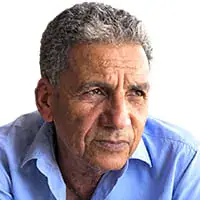
Dr. Amr Gith, a former member of the Libyan Central Bank's board of directors, has reopened the file on Libya's public finance management, warning of continued practices that drain government resources. He highlighted the multiplicity of bank accounts affiliated with public institutions and conflicting economic demands. Gith emphasized that implementing a unified treasury system is crucial to limiting waste and corruption by reducing liquidity distributed across thousands of government accounts.
Gith expressed concerns about the contradiction in financial policies, citing demands to increase salaries without specifying eligible categories or studying the impact on non-government sector workers. Some parties are calling for unrestricted access to foreign currency to reduce the gap between the official and parallel market exchange rates. However, Gith warned that this approach may lead to the abolition of the official rate rather than addressing the imbalances that created multiple prices.
Gith criticized the current subsidy mechanism, particularly fuel subsidies, for wasting billions of dinars. He questioned the actual impact of these subsidies on citizens, given the high financial costs borne by the state. Gith argued that subsidies should be evaluated based on their benefits to eligible recipients, the amount of wasted funds, and their actual impact on household purchasing power.
Gith discussed the need to rationalize government spending, citing unnecessary expenditures by Libyan embassies abroad. He suggested abolishing 75% of these embassies but noted that this measure alone is insufficient to address the crisis. Gith emphasized the importance of realistic estimates of potential savings from such measures and distinguishing between decisions with symbolic value and those with tangible financial impact.
Gith highlighted the challenge of managing Libya's oil wealth, warning that the country is not fully benefiting from the current high oil prices. He noted that a significant portion of increased revenues goes towards covering high oil costs. With ongoing spending demands and financial pressures, Gith cautioned that the state may be forced to draw from its reserves to meet its obligations, underscoring the need for fiscal discipline.
Gith cited the experiences of countries facing crises, which often involve freezing spending increases and reducing non-essential expenditures. He referenced the contradictory goals of improving citizen income, reducing the dollar exchange rate, maintaining existing interests, and cutting spending. Gith argued that these objectives are difficult to achieve simultaneously without sufficient resources or financial arrangements.
Gith questioned the goals of Libyan decision-makers, criticizing the lack of consensus on improving citizen income, reducing the dollar exchange rate, or agreeing on clear priorities for spending and accountability. He emphasized that addressing the financial crisis requires verifiable decisions, institutions, and rules, rather than mere political rhetoric. Gith also highlighted the importance of a unified government and a clear plan for economic reform.
Key points
- Libya's financial chaos is attributed to the multiplicity of government accounts, conflicting economic demands, and lack of fiscal discipline.
- Dr. Amr Gith calls for a unified treasury system, subsidy reform, and rationalization of government spending to address the crisis.
- The crisis is complicated by Libya's political divisions, lack of a unified government, and continued influence of armed groups.