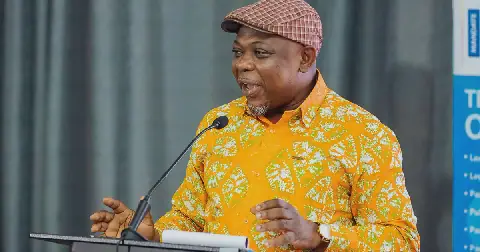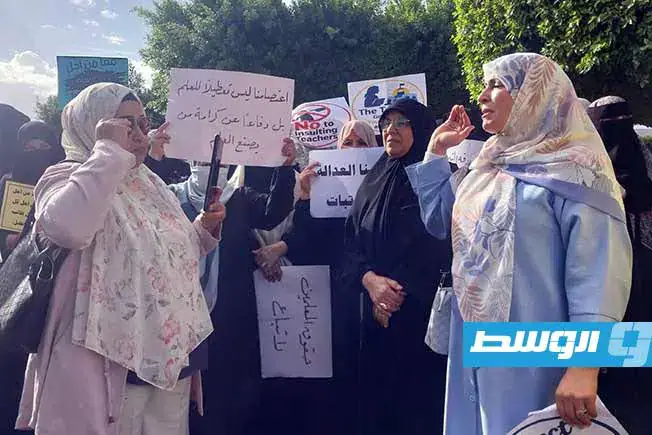
The Libyan Ministry of Finance has allocated 719 million dinars to the education sector, specifically for teacher bonuses. This decision was made public on Sunday, November 8, 2026, amid ongoing protests by teachers demanding better working conditions and higher salaries. The allocation was made after a meeting between the Speaker of the House of Representatives, Saleh Abdel Nabi, and the Director of the Development and Reconstruction Fund, Belqasim Hafter.
The meeting, which took place in Benghazi, was attended by the General Secretary of the Teachers' Union, Ramadan Hamum. According to Hamum, the meeting resulted in an agreement to disburse the allocated funds, which will be paid along with October salaries. The teachers' union has been pressing for improved salaries, implementation of a unified salary scale, payment of outstanding financial dues, and comprehensive health insurance.
Despite the agreement, the Teachers' Union has stated that it will continue its strike and protests until all demands are met. The union's demands include a significant increase in salaries to ensure a decent standard of living for teachers. The protests have disrupted the education sector, with some schools suspending classes.
The Libyan government has been under pressure to address the teachers' demands, with protests and strikes becoming increasingly common. The education sector has been severely impacted, with many schools forced to close. The government's decision to allocate funds to the education sector is seen as a step towards addressing the teachers' demands.
The protests have not only affected the education sector but also drawn attention to the broader issues facing the country. The Libyan government has been struggling to address the needs of its citizens, including providing basic services and infrastructure. The teachers' protests have highlighted the need for the government to prioritize the needs of its citizens.
The allocation of 719 million dinars to the education sector is seen as a positive step towards addressing the teachers' demands. However, it remains to be seen whether this will be enough to resolve the crisis. The Teachers' Union has stated that it will continue to press for its demands to be met, and it is unclear how long the protests will continue.
The situation in Libya remains volatile, with protests and strikes becoming increasingly common. The government's response to the teachers' demands will be closely watched, as it has implications for the broader stability of the country. The education sector is a critical component of Libyan society, and the government's ability to address the needs of teachers and students will be crucial in determining the country's future.
Key points
- The Libyan Ministry of Finance has allocated 719 million dinars to the education sector for teacher bonuses amid ongoing protests.
Reporting sources
- Wasat TV · Wasat TV