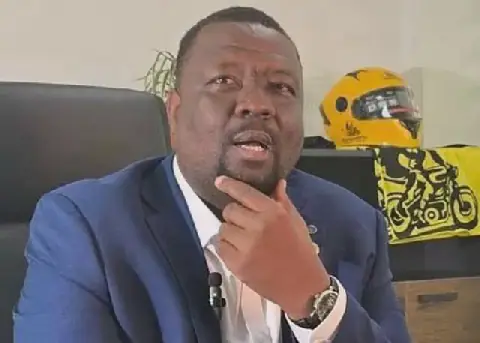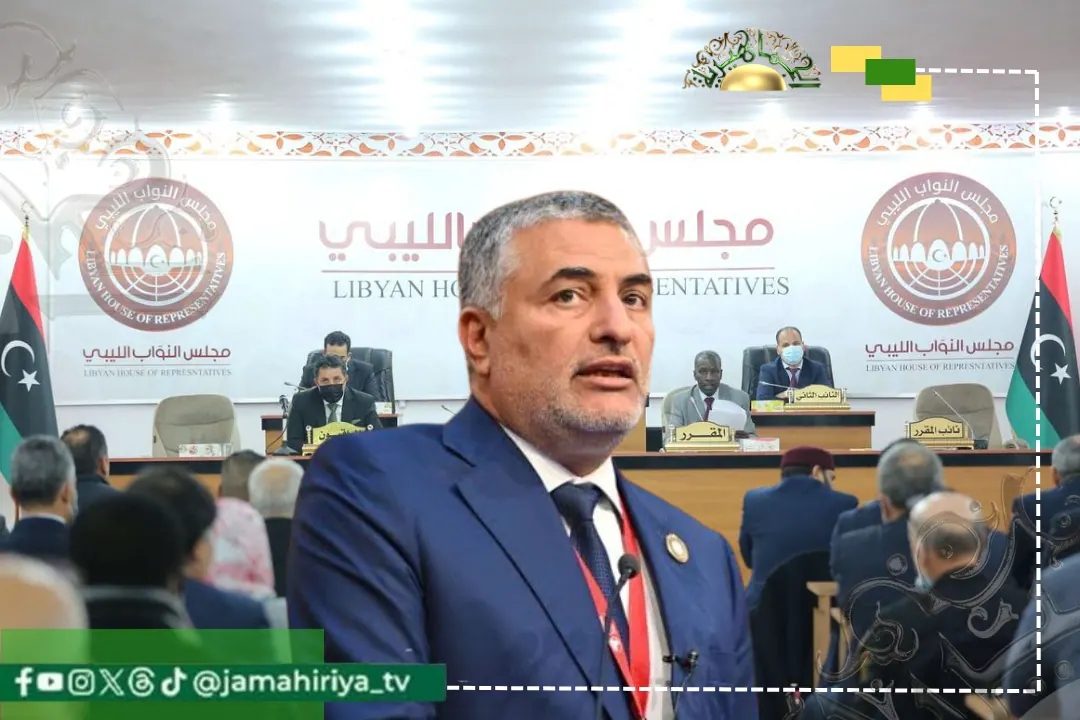
The head of Libya's State Council, Mohamed Takkala, has rejected several key decisions made by the House of Representatives, throwing the country's electoral process into uncertainty. According to reports, Takkala has expressed concerns over the legitimacy of certain decisions, including those related to the electoral laws and the formation of the High National Elections Commission. This move has sparked fears of renewed divisions among Libya's rival factions.
Takkala's rejection of the decisions, made during a session on October 5, was communicated to the UN's special representative in Libya, Hanna Tetteh. The move comes after 72 members of the State Council voted to reject the outcomes of a recent meeting between four key Libyan parties, which aimed to find a way forward for the country's stalled electoral process. The rejection has raised concerns about the prospects for a peaceful and transparent electoral process.
The disagreements center on the electoral laws and the formation of the High National Elections Commission. The State Council has rejected a number of laws passed by the House of Representatives, including those related to the electoral process. The Council has also rejected the appointment of a new elections commission, citing the need for a broader consensus among Libyan parties. These disagreements have highlighted the deep divisions between Libya's rival factions.
The UN mission in Libya has been urged to intensify its efforts to find a solution to the crisis. The mission's role in facilitating dialogue between Libyan parties has been critical, but its efforts have been hindered by the deep divisions between rival factions. The rejection of the House of Representatives' decisions by the State Council has raised concerns about the prospects for a peaceful and transparent electoral process.
The crisis has also highlighted the need for a broader consensus among Libyan parties. The State Council has reiterated its commitment to a roadmap for the country's transition, which was announced in August 2025. However, the rejection of key decisions by the House of Representatives has raised concerns about the prospects for implementing this roadmap.
The international community has expressed concerns about the impact of the crisis on Libya's stability. The country's electoral process has been stalled for several years, and the current crisis has raised fears of renewed violence and instability. The UN mission in Libya has been working to find a solution to the crisis, but its efforts have been hindered by the deep divisions between rival factions.
The situation remains uncertain, with many Libyans fearing that the crisis could derail the country's transition to democracy. The rejection of key decisions by the State Council has highlighted the deep divisions between Libya's rival factions, and the need for a broader consensus on the country's future.
Key points
- The head of Libya's State Council, Mohamed Takkala, has rejected several key decisions made by the House of Representatives.
- The rejection has raised concerns about the prospects for a peaceful and transparent electoral process.
- The crisis has highlighted the need for a broader consensus among Libyan parties on the country's future.