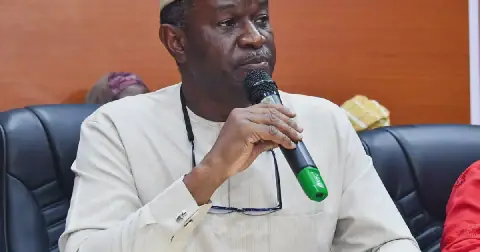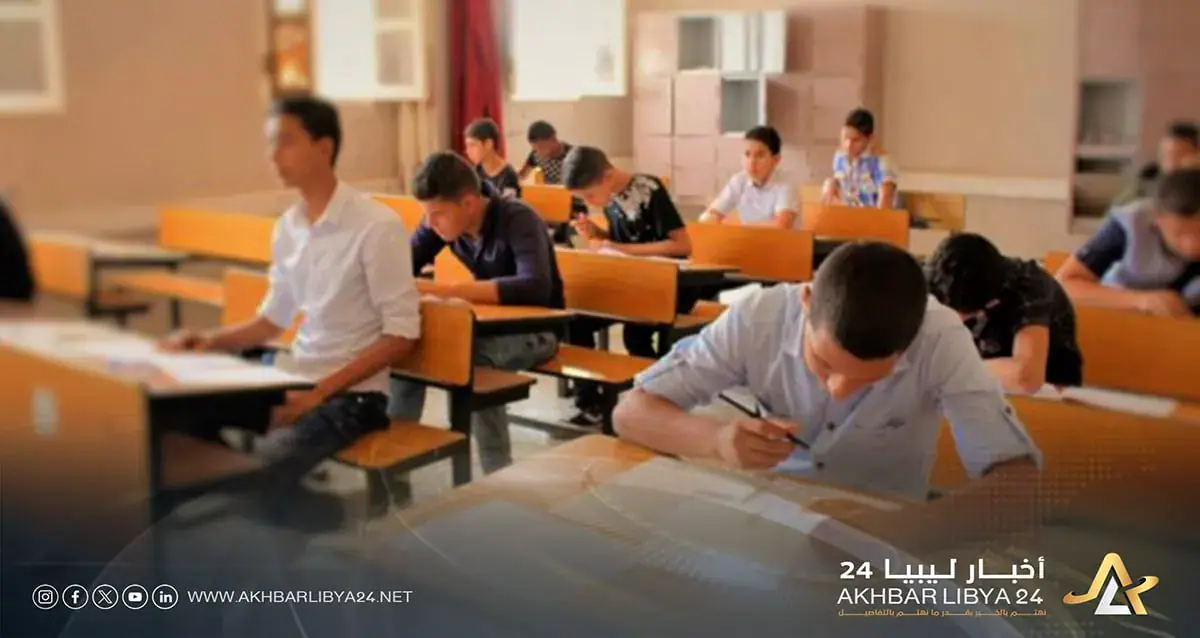
Libya's education system is in a state of crisis, with many schools unable to operate due to financial constraints and a lack of resources. The situation has been exacerbated by the country's ongoing economic and political instability. According to Dr. Riem Al-Berki, a prominent Libyan media personality and researcher, the current situation is a result of a combination of factors, including the government's failure to provide adequate funding for the education sector.
The current academic year has been severely disrupted, with many schools unable to open due to a lack of funding and resources. This has left many students, particularly those from low-income families, without access to education. Dr. Al-Berki has warned that the situation is likely to have long-term consequences for the country's future, as many students may be forced to drop out of school or seek alternative forms of education.
One of the main challenges facing Libya's education system is the lack of funding. The government has been struggling to pay the salaries of teachers and other education staff, leading to widespread protests and strikes. At the same time, many families are struggling to afford the costs of private education, which has become the only option for many students.
Dr. Al-Berki has highlighted the need for the government to take urgent action to address the crisis. She has called for the government to provide emergency funding for the education sector and to work with teachers and other stakeholders to find a solution to the crisis. She has also warned that the situation is likely to have long-term consequences for the country's future.
The crisis in Libya's education system has also highlighted the issue of inequality. Many students from low-income families are being left behind, as they are unable to access education due to financial constraints. This is likely to exacerbate existing social and economic inequalities, as those who are already disadvantaged are being further marginalized.
Dr. Al-Berki has also highlighted the need for the government to address the root causes of the crisis. She has called for a comprehensive review of the education sector and for the development of a long-term strategy to address the challenges facing the sector. She has also emphasized the need for greater transparency and accountability in the management of the education sector.
The situation in Libya's education system is a complex one, and it will require a sustained effort from the government and other stakeholders to resolve. However, with the right approach and a commitment to finding a solution, it is possible to address the challenges facing the sector and to provide all students with access to quality education.
Key points
- The Libyan government's failure to provide adequate funding for the education sector has had a devastating impact on the country's schools.
- The crisis in Libya's education system has highlighted the issue of inequality, with many students from low-income families being left behind.
- Dr. Riem Al-Berki has called for urgent action to address the crisis, including emergency funding for the education sector and a comprehensive review of the sector.