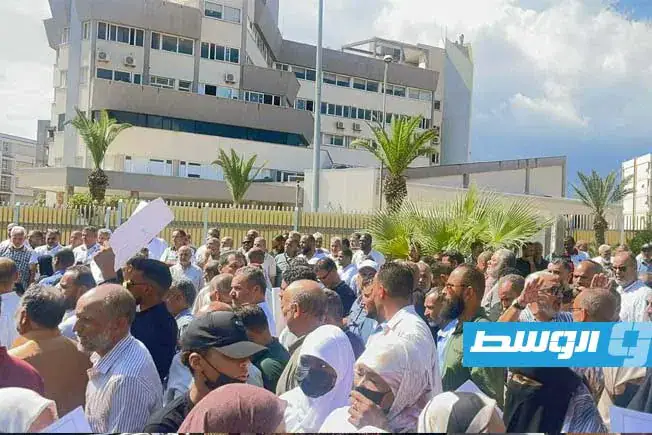
A crisis is unfolding in Libya's education sector as teachers and university staff take to the streets to protest against a proposed unified salary scale. The protests, which began in October 2026, have been sparked by concerns that the new scale will lead to a reduction in salaries and benefits for educators. The Libyan government has proposed the unified salary scale as a way to achieve social justice and standardize wages across the public sector. However, many teachers and university staff believe that the proposal will have a negative impact on their livelihoods.
The Libyan Teachers' Union has been at the forefront of the protests, with union leaders expressing concerns that the proposed salary scale does not take into account the unique challenges faced by educators in Libya. The union has also argued that the proposal does not provide sufficient allowances for teachers, which would make it difficult for them to make ends meet. In response to the protests, the government has stated that it is willing to listen to the concerns of teachers and university staff, but has not yet offered any concessions.
University staff have also joined the protests, with academics at several universities expressing concerns that the proposed salary scale will lead to a reduction in their salaries and benefits. The academics have argued that they play a critical role in shaping the future of Libya and that their work should be valued and recognized. The protests have sparked fears that the education sector could be plunged into chaos, with many students and parents worried about the impact on the academic year.
The crisis has also highlighted the challenges faced by the Libyan government in trying to balance the needs of different sectors. The government has stated that it is committed to achieving social justice and standardizing wages across the public sector, but has also acknowledged that it must take into account the unique challenges faced by different sectors. The protests have sparked a wider debate about the future of education in Libya and the role that educators play in shaping the country's future.
The Libyan government has faced criticism for its handling of the crisis, with many arguing that it has not done enough to address the concerns of teachers and university staff. The government has stated that it is working to find a solution to the crisis, but has not yet provided a clear timeline for when a resolution can be expected. In the meantime, the protests are expected to continue, with many teachers and university staff vowing to take to the streets until their demands are met.
The crisis has also raised concerns about the impact on students, who are worried about the impact on their education. Many students have expressed frustration that the protests are disrupting their studies and have called on the government and educators to find a solution. The protests have also sparked fears that the education sector could be plunged into chaos, with many worried about the long-term consequences for the country's future.
As the crisis continues, there are concerns that the education sector could face long-term damage. The protests have highlighted the need for a comprehensive solution to the crisis, one that takes into account the needs of all stakeholders. The Libyan government, educators, and students will need to work together to find a way forward, one that prioritizes the needs of the education sector and ensures that students receive the education they deserve.
Key points
- The proposed unified salary scale has sparked protests by teachers and university staff in Libya, who fear that it will lead to a reduction in their salaries and benefits.