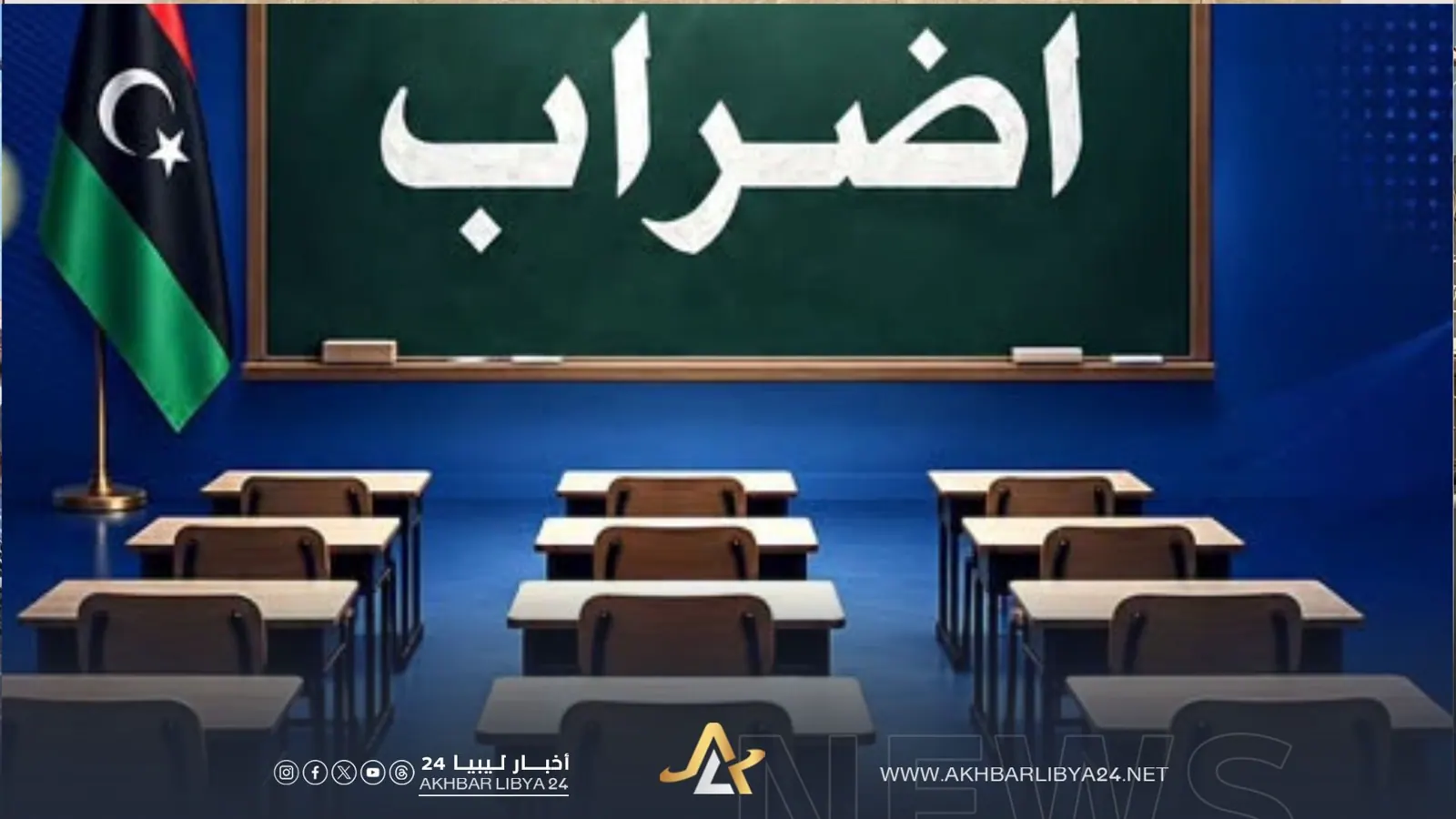
The Libyan education sector is facing a severe crisis as a teachers' strike, which began in September, continues with no end in sight. The strike, led by the Libyan Teachers' Union, has resulted in the closure of nearly 7,536 public education institutions, affecting approximately 1.96 million students, representing around 74% of the country's total students. The strike is over demands for better pay, improved working conditions, and enhanced benefits.
The Libyan Ministry of Education had initially set September 13 as the start date for the new academic year, but the strike has prevented the schools from opening. In an attempt to mitigate the effects of the strike, the ministry has considered canceling the weekend break and shortening the mid-year holiday. However, the teachers' union remains resolute in its demands, insisting that the government's proposals are insufficient.
The strike has highlighted the significant challenges facing the education sector in Libya, including a large workforce of 615,659 employees, comprising 268,975 administrative staff, 130,545 reserve personnel, and 216,139 teachers. The majority of teachers are women, and the sector's large workforce puts pressure on the government's finances, particularly in terms of salaries and benefits.
The teachers' demands include a salary increase, payment of outstanding financial differences, and granting of job-related allowances, as well as comprehensive medical insurance for sector employees. While the government has made some concessions, the union has deemed them inadequate, leading to the continued strike. The impasse has left nearly 1.96 million students in public education without access to schools.
The strike is not limited to the education sector, as other sectors, including healthcare, have begun to experience similar protests. The Libyan government faces mounting pressure to address the financial and job-related demands of various sectors, while navigating the complexities of public finance. The government is exploring the possibility of introducing a unified salary law to address disparities between sectors and institutions.
The ongoing crisis has significant implications for Libya's education sector, with concerns about the potential long-term effects on students' learning and academic achievement. The situation remains uncertain, with no clear end date for the strike, and the government's ability to address the teachers' demands remains a pressing challenge. The strike has also underscored the need for meaningful dialogue and cooperation between the government, teachers, and other stakeholders to resolve the crisis.
As the strike continues, the Libyan government faces a difficult balancing act between meeting the financial demands of the teachers and maintaining fiscal stability. The situation is further complicated by the need to address the broader issues of public sector salaries and benefits, which have significant implications for the country's economic stability and social cohesion.
Key points
- The teachers' strike has affected nearly 2 million students in Libya's public education sector.
- The strike is over demands for better pay, improved working conditions, and enhanced benefits for teachers.
- The Libyan government faces significant challenges in addressing the teachers' demands, including a large workforce and limited financial resources.