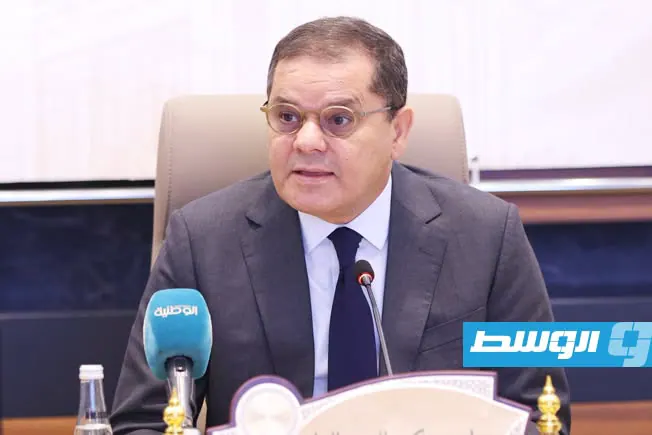
Libyan Prime Minister Abdulhamid Dbeiba announced the resumption of the educational process starting from Wednesday, following a meeting with the General Teachers' Union of Libya. Dbeiba emphasized the priority of students' right to education and the need to ensure regular classes. The announcement came after weeks of protests by teachers demanding better working conditions and salaries.
The teachers' union had been on strike since mid-September, with protests escalating into an open-ended strike affecting government schools across the country. The union's demands include a unified and fair salary scale, payment of delayed financial differences, and improved living conditions for education sector workers. The strike caused significant disruptions to the start of the academic year.
Dbeiba's announcement was made on his Facebook page, where he also highlighted the government's commitment to achieving social justice and improving the working conditions of state employees. He praised the role of unions in protecting their members' rights and supporting the regular operation of public services. The resumption of classes is seen as a positive development for the country's education sector.
The teachers' union had been pressing for a unified salary scale, citing disparities in pay among educators. They also demanded payment of delayed financial differences and improved working conditions. The union's efforts are aimed at addressing the challenges faced by teachers and improving the overall quality of education in Libya.
The resumption of classes is expected to bring relief to students and parents who were affected by the strike. The education sector has faced significant challenges in recent years, including infrastructure damage and teacher shortages. The government's commitment to improving working conditions and salaries is seen as a step towards addressing these challenges.
The meeting between Dbeiba and the teachers' union was seen as a positive step towards resolving the crisis. The government's efforts to engage with the union and address their demands are expected to help stabilize the education sector. The resumption of classes is a welcome development for the country's students and educators.
The crisis highlights the challenges faced by Libya's education sector, including the need for improved infrastructure and better working conditions for teachers. The government's response to the teachers' demands will be closely watched, as it has implications for the sector's stability and the country's future development.
Key points
- Libyan Prime Minister Abdulhamid Dbeiba announces resumption of classes amid teachers' strike.
- Teachers' union demands better working conditions, salaries, and unified salary scale.
- Education sector faces significant challenges, including infrastructure damage and teacher shortages.