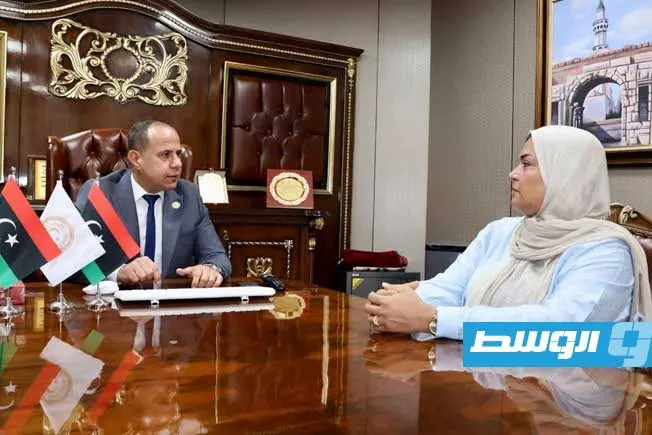
Libyan Education Minister Mohamed Abdul Salam Al-Qariou has urged the importance of safeguarding students' futures and rights as the country's teachers continue their strike. Al-Qariou made these remarks during a meeting with Bintina Al-Jadi, the education supervisor for Tripoli Central Municipality. The meeting, which took place on September 27, 2026, focused on finding solutions to the problems facing the education sector.
The teacher strike, which began on September 13, 2026, has disrupted the start of the new academic year. The Libyan Teachers' Union has announced a general strike across all schools in Libya, citing unmet demands for improved salaries and benefits. The union is seeking a unified salary scale that ensures justice and equality, as well as the payment of outstanding financial differences.
The Libyan Teachers' Union has also demanded comprehensive health insurance for teachers and their families, as well as the allocation of a teaching allowance and a managerial and administrative allowance. Furthermore, the union is calling for the resolution of contractual teachers' situations and the release of their salaries. These demands have been ongoing, with the union meeting with a representative from the interim government on September 26, 2026.
During the meeting with the government representative, four key demands were discussed: improving living conditions and salaries, comprehensive health insurance for teachers and their families, activation of laws and legislation guaranteeing teachers' rights and dignity, and payment of differences under Law No. 4. The union has stated that it will continue to push for its legitimate rights and entitlements.
The strike has resulted in significant disruptions to the education sector, with schools across the country affected. Al-Qariou's call for the protection of students' futures comes as concerns grow about the impact of the strike on the country's education system. The Libyan government has been urged to engage seriously with the teachers' demands and to reassess its spending priorities.
The situation remains tense, with no immediate resolution in sight. The Libyan Teachers' Union has reaffirmed its commitment to achieving its demands, while the government faces pressure to address the concerns of both teachers and students. The strike has highlighted the challenges facing Libya's education sector and the need for sustainable solutions.
As the strike continues, concerns are growing about the long-term impact on Libya's education system and the country's future. The international community has been watching closely, with many calling for a resolution to the crisis.
Key points
- The Libyan Education Minister has urged the protection of students' futures amid a continuing teacher strike.
- The strike, which began on September 13, 2026, has disrupted the start of the new academic year.
- The Libyan Teachers' Union is seeking improved salaries, benefits, and comprehensive health insurance for teachers and their families.