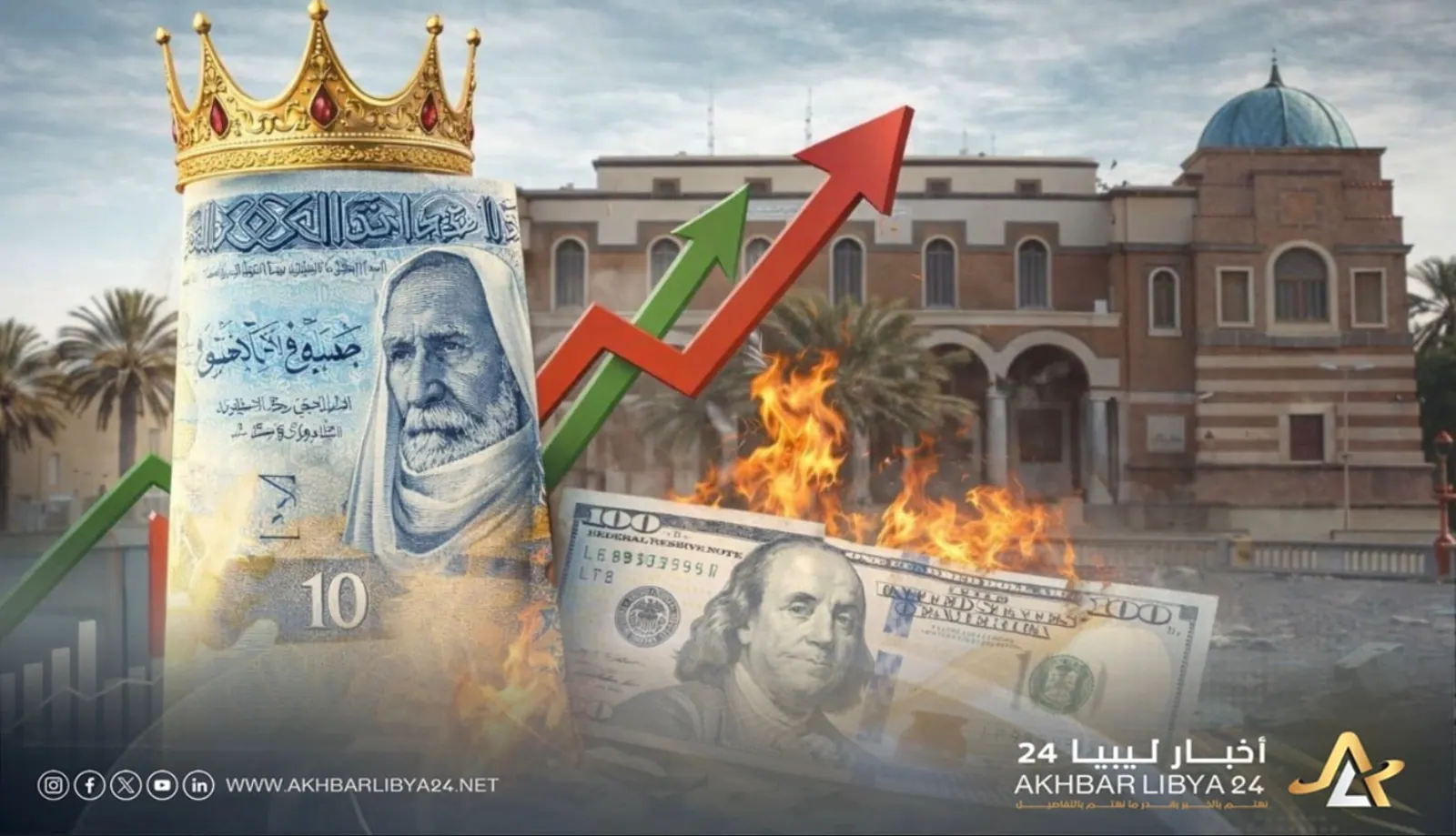
Libya is grappling with a severe economic crisis, characterized by a significant shortage of foreign currency and declining purchasing power. The country's economic woes have been exacerbated by a substantial decline in the value of the Libyan dinar. According to expert Ali Sharif, the government's inability to find a sustainable solution to the salary crisis is a pressing concern. With the country's vast oil resources, Sharif argues that the government should be able to provide its citizens with a decent standard of living.
Sharif has raised questions about the government's management of public finances, particularly with regards to oil revenue and public spending. He notes that despite an average oil price of $95 per barrel, the country has recorded a foreign currency shortage of nearly $5 billion over nine months. The expert argues that addressing the economic imbalances requires a comprehensive approach, starting with controlling public spending and ensuring transparent management of oil revenues.
The salary crisis in Libya has been a longstanding issue, with many public sector employees struggling to make ends meet. Sharif criticizes the government's decision to distribute limited cash assistance to teachers, arguing that such measures are insufficient to address the root causes of the crisis. He emphasizes the need for a more sustainable financial policy that links new commitments to available resources and limits un covered spending.
Sharif has also highlighted the issue of the minimum wage in Libya, arguing that its value has been eroded by inflation and exchange rate fluctuations. He cites an example where a monthly salary of 850 dinars, equivalent to $607 at an exchange rate of 1.4 dinars per dollar, would be equivalent to 3,886 dinars at an exchange rate of 6.4 dinars per dollar. This illustrates the significant impact of exchange rate changes on the purchasing power of Libyan citizens.
The economic crisis in Libya has significant implications for the country's citizens, who are facing rising living costs and declining purchasing power. Sharif argues that the government must adopt a more transparent and accountable approach to managing public finances, including oil revenues and public spending. This, he believes, is essential to addressing the country's economic woes and ensuring a more sustainable future for its citizens.
The Libyan government's ability to address the salary crisis and stabilize the economy is crucial to maintaining social stability and preventing further economic deterioration. Sharif's comments highlight the need for a comprehensive and sustainable approach to addressing the country's economic challenges, rather than relying on ad-hoc measures that may provide temporary relief but fail to address the underlying issues.
The fate of Libya's economy remains uncertain, with many citizens eagerly awaiting a resolution to the salary crisis and a return to economic stability. As the government grapples with these challenges, experts like Sharif are urging a more transparent and accountable approach to managing public finances, which could help to restore confidence and pave the way for sustainable economic growth.
Key points
- Libya faces a $5 billion foreign currency shortage and declining purchasing power.
- Expert Ali Sharif questions the government's solutions to the salary crisis.
- The crisis has significant implications for Libyan citizens, who are facing rising living costs and declining purchasing power.