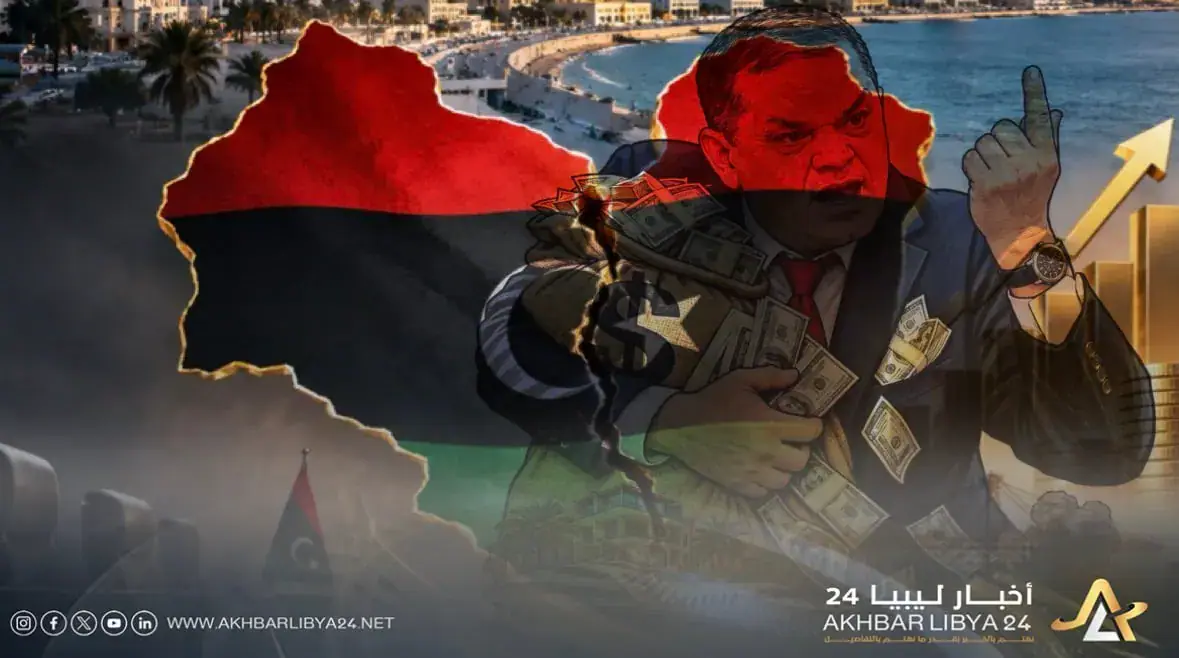
Libya's economic landscape is facing increased turmoil as the country's currency, the dinar, continues to decline against the US dollar. The dollar has surpassed 11 dinars in the parallel market, with experts warning that it may reach 15 to 20 dinars if the current economic and political instability persists. This significant fluctuation is attributed to the ongoing shortage of foreign currency, which is essential for the country's import-based economy.
The economic instability is further complicated by the recent attack on the Benghazi port, which poses a significant threat to the country's trade and supply chains. The port plays a critical role in Libya's economy, as it is a primary entry point for imports. Any disruption to its operations can have far-reaching consequences, including increased costs for shipping and insurance, ultimately affecting the availability and prices of essential goods.
According to Dr. Ali Sharif, an economics professor at the University of Benghazi, the current economic crisis is not solely attributed to the performance of the Central Bank of Libya but is deeply rooted in the country's political and economic environment. The ongoing institutional divisions and lack of a unified government have hindered effective economic decision-making, exacerbating the country's financial woes.
The widening gap between the official and parallel exchange rates has created an environment conducive to speculation and arbitrage. The difference between the two rates has reached approximately four dinars, making it profitable for individuals and entities to engage in currency trading. This has led to a surge in unproductive activities, further straining the economy.
The economic crisis has significant implications for the average Libyan citizen, who is already facing increased living costs and limited access to essential goods. The decline in the dinar's value has resulted in higher prices for imported goods, including food, medicine, and other necessities. This has eroded the purchasing power of the Libyan currency, further exacerbating the country's economic instability.
Dr. Sharif emphasized that addressing the economic crisis requires a comprehensive approach that involves both monetary and fiscal policy reforms. The Central Bank of Libya must work in conjunction with the government to implement effective measures to stabilize the currency, manage inflation, and ensure the availability of essential goods. Additionally, the international community may need to provide support to help Libya address its economic challenges.
The economic instability in Libya has far-reaching consequences, not only for the country's citizens but also for the region as a whole. The ongoing crisis has the potential to spill over into neighboring countries, exacerbating regional economic instability. Therefore, it is essential for the international community to provide support and assistance to help Libya address its economic challenges and restore stability to the region.
Key points
- The dollar has surpassed 11 dinars in the parallel market, with experts warning that it may reach 15 to 20 dinars if the current economic and political instability persists.