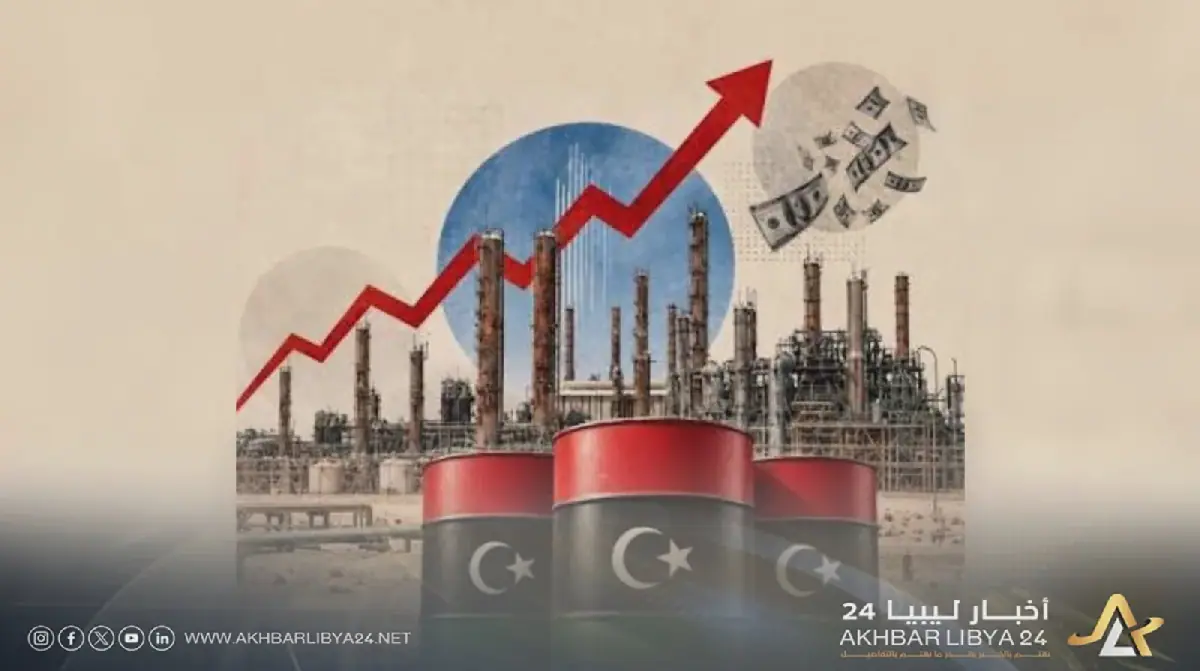
Libya's economic crisis has escalated as the country's currency, the dinar, continues to plummet in value. The situation has been exacerbated by corruption and division, which have hindered the government's ability to effectively manage the economy. According to economic expert Dr. Ali al-Sharif, the crisis is not just a matter of monetary policy, but rather a symptom of a deeper issue related to the country's governance and institutions. The ongoing decline of the dinar has significant implications for the country's citizens, who are facing rising prices and reduced purchasing power.
Dr. al-Sharif attributes the crisis to the prevalence of corruption and the lack of effective oversight and accountability. He notes that the country's institutions are weak, and the political division has created an environment conducive to corruption. The expert emphasizes that addressing the root causes of the crisis is crucial, rather than just treating its symptoms. This includes tackling corruption, promoting transparency, and strengthening institutions. The current situation has resulted in a significant decrease in the value of the dinar, with the exchange rate reaching 10 dinars and 30 dirhams to the dollar.
The economic crisis has had a devastating impact on the country's citizens, who are struggling to make ends meet. The rising cost of living, coupled with the decline in the value of the dinar, has eroded the purchasing power of households. Dr. al-Sharif argues that the government's response to the crisis has been inadequate, and that a more comprehensive approach is needed to address the root causes of the problem. This includes implementing policies to promote economic growth, reducing corruption, and improving the business environment.
One of the key challenges facing the country is the lack of a unified government, which has hindered efforts to address the economic crisis. The ongoing division has resulted in a lack of coordination between different institutions, which has exacerbated the problem. Dr. al-Sharif emphasizes that a unified government is essential to addressing the crisis, and that it is crucial to establish a stable and effective administration.
The country's oil sector, which is the main source of foreign currency, has also been impacted by the crisis. Dr. al-Sharif notes that the sector is facing significant challenges, including a decline in production and a lack of investment. He argues that the government needs to take urgent action to address these challenges and promote growth in the sector.
To address the crisis, Dr. al-Sharif proposes a range of measures, including improving the business environment, reducing corruption, and promoting transparency. He also emphasizes the need for a comprehensive approach to address the root causes of the crisis, rather than just treating its symptoms. This includes implementing policies to promote economic growth, reducing corruption, and improving the business environment.
The crisis has significant implications for the country's future, and it is essential that the government takes urgent action to address it. Dr. al-Sharif argues that the country's institutions need to be strengthened, and that a unified government is essential to addressing the crisis. The expert emphasizes that the situation requires a comprehensive and coordinated approach, and that all stakeholders need to work together to find a solution.
Key points
- Corruption and division are major contributors to Libya's economic crisis.
- A unified government is essential to addressing the crisis.
- The country's institutions need to be strengthened to promote economic growth and stability.