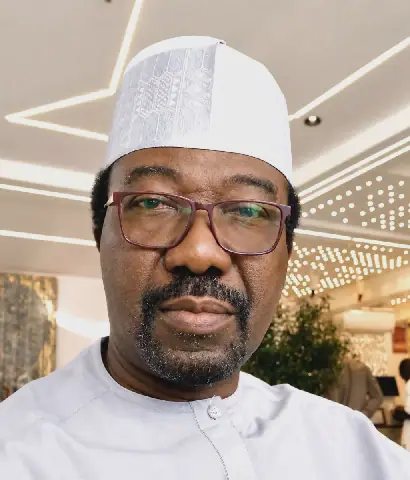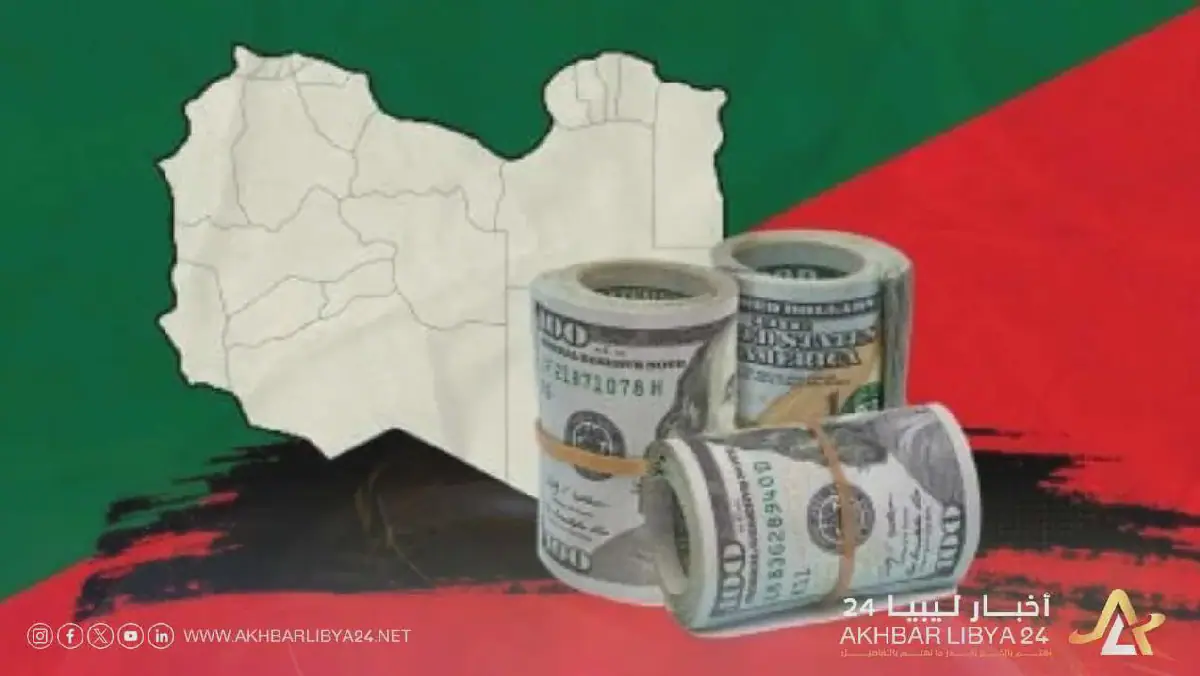
Libya's economic challenges are far more complex than simply changing the governor of the Central Bank. According to Fathi Al-Shibli, head of the Voice of the People party, the country's economic crisis stems from a divided state and a lack of financial accountability. The continued instability of the Libyan dinar and rising prices have significantly impacted the country's citizens. Al-Shibli emphasized that changing leaders has not addressed the underlying issues.
The ongoing instability in Libya's financial sector is attributed to the country's institutional division and lack of financial discipline. Al-Shibli noted that successive governors and administrations have failed to address the country's monetary and financial imbalances. The country's reliance on oil revenue has further complicated the management of public finances. A unified and coherent economic policy is needed to stabilize the dinar and address the country's economic challenges.
Al-Shibli stressed that changing the Central Bank governor is not a solution in itself and that a broader approach is needed to address the country's economic crisis. This includes reviewing the country's debts, contracts, and expenditures, as well as implementing measures to prevent waste and ensure financial transparency. A comprehensive plan is required to manage the country's resources effectively and prioritize spending on essential services and development projects.
The country's economic crisis has significant social implications, with citizens bearing the brunt of rising prices and reduced purchasing power. Al-Shibli warned that the cost of living in Libya continues to rise, and the country's economic instability poses a significant threat to the well-being of its citizens. A stable and unified financial system is essential to addressing these challenges and ensuring the country's economic stability.
Al-Shibli's comments have sparked a renewed debate about the management of Libya's finances and the role of the Central Bank in addressing the country's economic crisis. The country's transitional government faces significant challenges in stabilizing the economy and addressing the needs of its citizens. A comprehensive and inclusive approach is needed to address the country's economic challenges and ensure a sustainable recovery.
The international community has expressed concern about Libya's economic instability and its impact on the country's citizens. The country's economic crisis has significant regional and global implications, and a stable and unified Libya is essential to maintaining regional security and stability. Al-Shibli's call for a unified and coherent economic policy has resonated with many Libyans who are seeking a more stable and prosperous future.
The road to economic recovery in Libya will be long and challenging. Al-Shibli's comments have highlighted the need for a comprehensive and inclusive approach to addressing the country's economic crisis. The country's leaders must work together to develop a unified and coherent economic policy that prioritizes the needs of its citizens and ensures a sustainable recovery.
Key points
- - Changing the Central Bank governor is not a solution to Libya's economic crisis. - A unified and coherent economic policy is needed to address the country's economic challenges. - Libya's economic instability poses a significant threat to the well-being of its citizens.