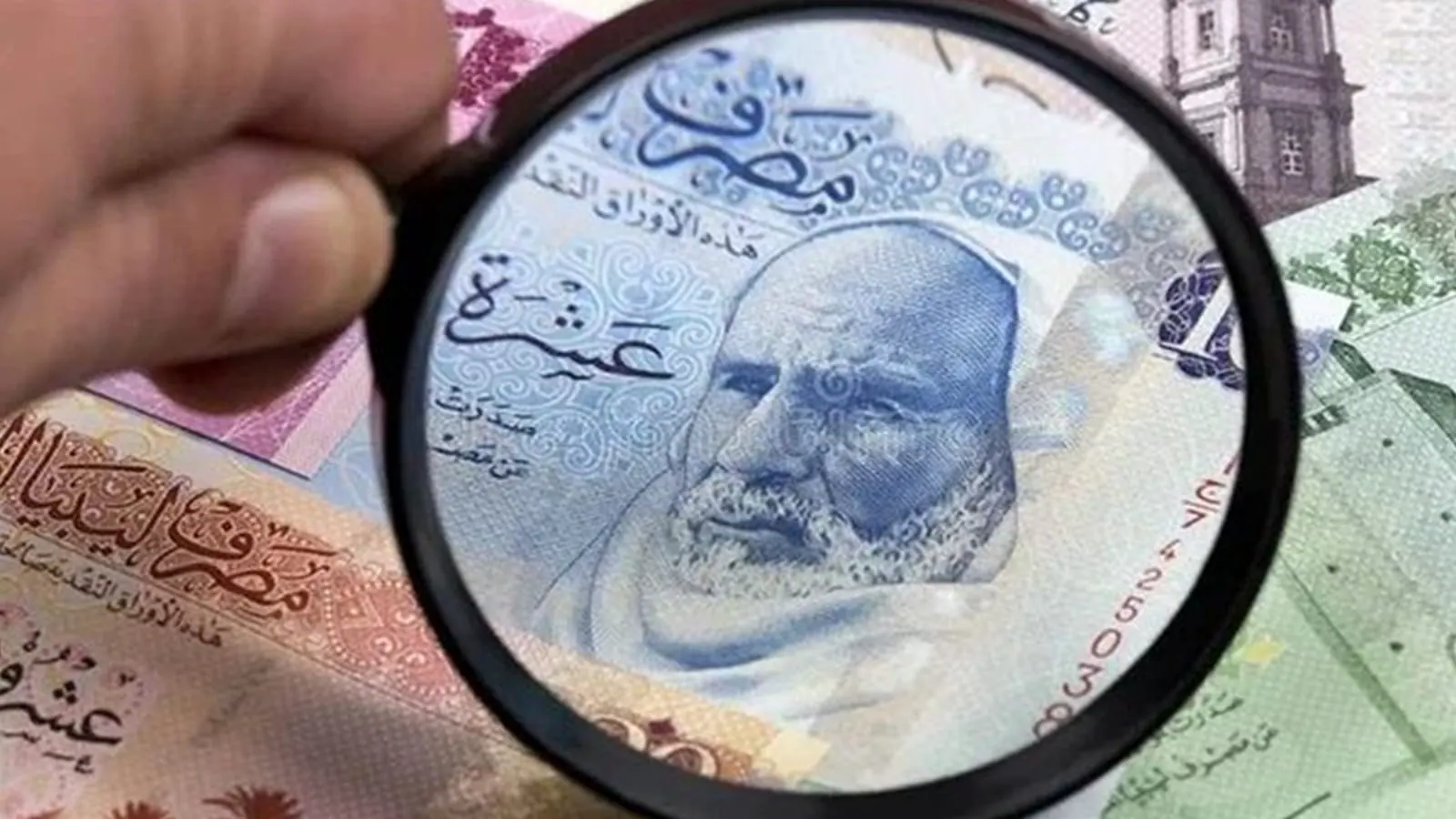
Libya's economic landscape is marred by a decline in the value of the Dinar and rising prices, eroding the purchasing power of its citizens. The situation has reignited discussions about wage adjustments and a unified wage scale. For years, the Dinar has been depreciating, and prices have been increasing, making it difficult for many to afford basic necessities. As a result, wage increases have become more of a compensatory measure for lost purchasing power rather than a genuine improvement in living standards.
The issue of wage disparities is particularly pronounced in the public sector, where different categories of employees have varying salaries and benefits. For instance, military personnel have seen significant increases in their salaries, with some ranks receiving over 6,000 Dinars, while healthcare professionals and teachers have been demanding better wages and benefits. The disparities have led to concerns that the current system is unfair and that a unified wage scale is necessary to address these issues.
However, implementing a unified wage scale is not without its challenges. According to the Central Bank of Libya, the country's expenditure on wages has been substantial, reaching 46.9 billion Dinars by the end of August, up from 73.3 billion Dinars in 2025. Economists warn that further wage increases could push the annual bill to nearly 100 billion Dinars. Moreover, the country's revenue is heavily reliant on oil sales, which account for 80.8 billion Dinars out of 99 billion Dinars in revenue.
The International Monetary Fund (IMF) has noted that Libya's wage bill is one of the highest in the world, accounting for around 30% of the country's GDP. The IMF has called for a rationalization of spending and an expansion of non-oil revenues. Economists also caution that increasing wages without corresponding growth in production and revenue could lead to higher inflation and pressure on the exchange rate.
Libya's economy is heavily dependent on imports, and increased spending can lead to a surge in demand for foreign currency. Therefore, experts argue that any wage increases must be accompanied by measures to control costs and improve efficiency. This includes reviewing priorities, reducing unnecessary expenditures, and promoting non-oil sectors.
An examination of government spending reveals some interesting trends. For example, the Ministry of Foreign Affairs and its affiliated agencies spent around 1.57 billion Dinars in eight months, compared to 334 million Dinars for the Ministry of Education and its affiliates. The disparity is even more striking when it comes to employee salaries, with the Foreign Ministry spending around 1.08 billion Dinars, while the Education Ministry spent approximately 200 million Dinars.
The issue of wage reform in Libya is complex and multifaceted. While a unified wage scale may help address disparities, it is only part of the solution. Experts argue that a comprehensive approach is needed, which includes reducing unnecessary expenditures, promoting non-oil sectors, and improving efficiency. Ultimately, the goal is to create a more equitable and sustainable economic system that benefits all Libyans.
Key points
- Libya's economic challenges are exacerbated by a decline in the value of the Dinar and rising inflation.
- The country's wage bill is one of the highest in the world, accounting for around 30% of GDP.
- A unified wage scale is necessary to address disparities, but it must be accompanied by measures to control costs and improve efficiency.