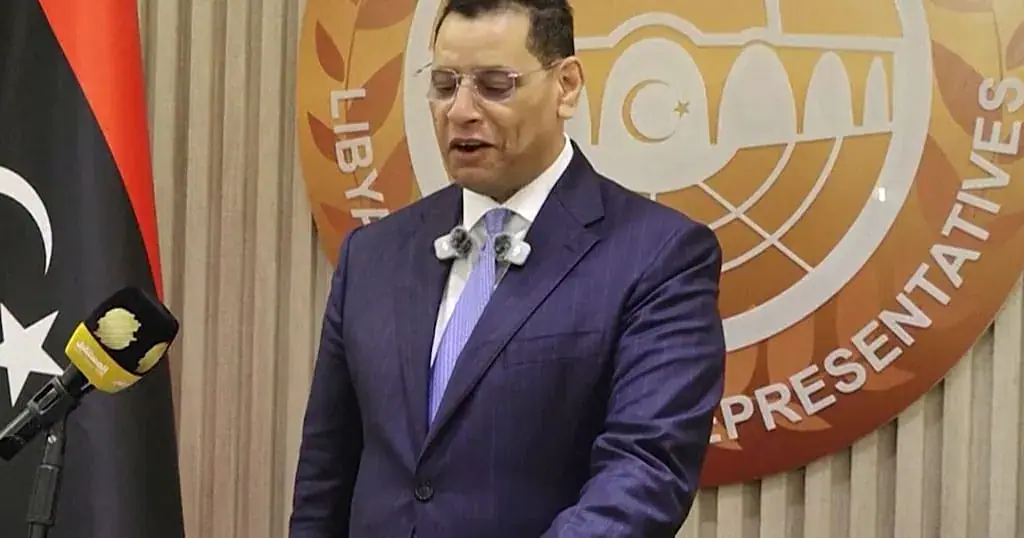
Libya's eastern-based parliament has appointed Fawzi Abu Khazam as the new governor of the Central Bank of Libya. The appointment was made after the resignation of Naji Issa, who had been in the position since 2024. According to the parliament's spokesperson, 78 of the 90 members present voted in favour of confirming Abu Khazam's appointment. This move comes as Libya continues to face a deep financial crisis and division between a UN-recognised government in Tripoli and a rival administration in the east.
The resignation of Naji Issa was submitted to the two legislative chambers in August, although he did not publicly explain his reasons for stepping down. His resignation was accepted by parliament in October, on the same day that the central bank reported its headquarters in Tripoli had been raided by unidentified individuals. The bank's operations have been severely impacted by the ongoing political instability in the country.
Fawzi Abu Khazam's appointment as central bank governor comes at a critical time for Libya's economy. The country has been facing a severe financial crisis, which has led to a halt in oil production. The eastern administration, backed by military commander Khalifa Haftar, has been at odds with the UN-recognised government in Tripoli. The division has had a significant impact on the country's economy and has led to a deterioration in living standards.
The Tripoli-based High Council of State, which is the rival of the eastern parliament, has not yet commented on the appointment of Abu Khazam. The eastern parliament, which is based in the city of Benghazi under Haftar's control, has been making key decisions without the input of the High Council of State. This has led to concerns about the legitimacy of the decisions made by the eastern parliament.
The appointment of Abu Khazam as central bank governor is seen as a significant move by the eastern administration to consolidate its control over the country's economy. However, the move is likely to be met with resistance from the UN-recognised government in Tripoli, which may view the appointment as an attempt to undermine its authority.
Libya has been facing significant challenges in recent years, including a deep financial crisis, a halt in oil production, and a deterioration in living standards. The country's division between the eastern and western administrations has exacerbated these challenges. The international community has been calling for a peaceful resolution to the crisis and the reunification of the country.
The situation in Libya remains volatile, with ongoing tensions between the eastern and western administrations. The appointment of Fawzi Abu Khazam as central bank governor is likely to have significant implications for the country's economy and politics. The international community will be watching closely to see how the situation unfolds and whether a peaceful resolution can be found to the crisis.
Key points
- The eastern-based parliament of Libya has appointed Fawzi Abu Khazam as the new governor of the Central Bank of Libya.
- The appointment comes amid ongoing division between a UN-recognised government in Tripoli and a rival administration in the east.
- The situation in Libya remains volatile, with ongoing tensions between the eastern and western administrations.