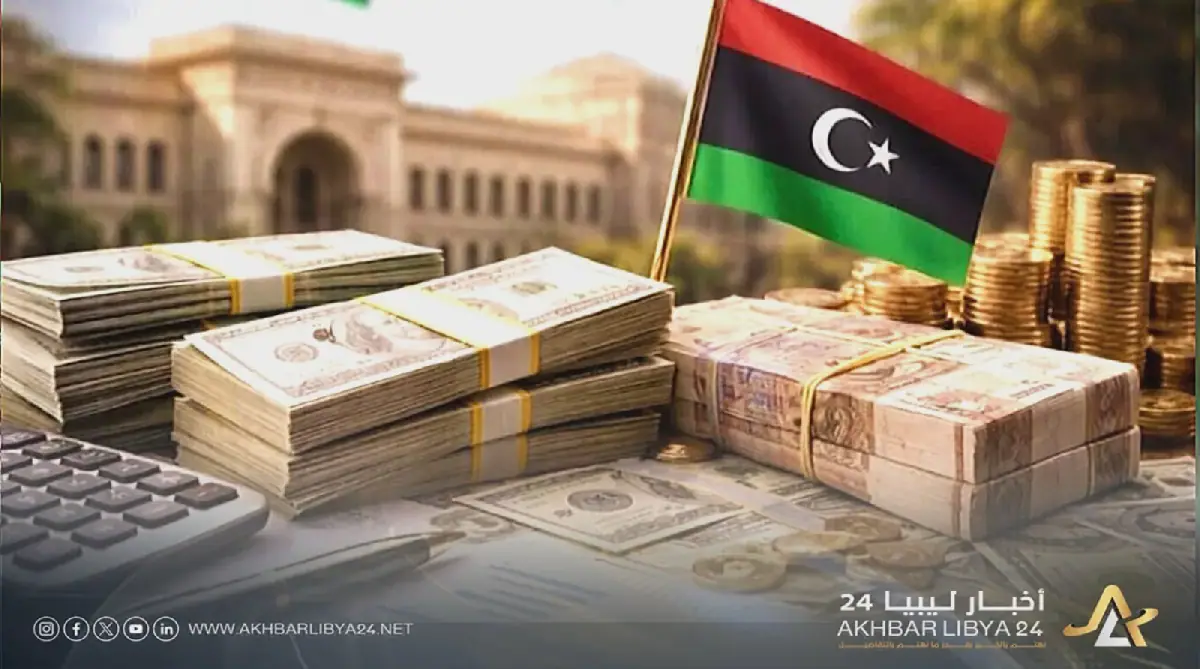
The decline of the Libyan dinar has become a pressing concern, extending beyond a mere economic issue to threaten the country's overall stability and security. As the cost of living rises and purchasing power erodes, the gap between citizens' incomes and the prices of goods and services continues to widen. This has significant implications for the country's economic and social well-being.
Media personality and researcher Rima al-Barki has emphasized that a stable national currency is in the public interest, transcending personal calculations for those who benefit from rising foreign currency prices. She argues that the collapse of the dinar cannot be a sustainable gain for any party, even those who profit from speculation or exploiting currency market imbalances.
Al-Barki has called for the Central Bank of Libya to take swift action to reduce the dollar's price and maintain a stable exchange rate. She has also questioned the current administration's plan to manage the crisis and the parallel market, highlighting the need for a clear strategy to address the country's economic challenges.
The issue is not limited to the dollar's price but also the ability of monetary and financial institutions to manage resources, provide foreign currency according to transparent rules, and tackle activities that benefit from chaos and unfair advantages. The Libyan citizen bears the brunt of the losses, with limited influence over economic decisions.
Al-Barki has also raised concerns about government spending, citing the potential participation of 152 people in the Libyan delegation to the Climate Summit. She compared the estimated cost of their attendance to the purchase of 228,000 olive tree seedlings, which could provide a significant environmental and economic return if invested in sustainable projects.
The issue of health certificate fees has also sparked controversy, with Libyan citizens paying 25 dinars and foreigners paying 490 dinars. Al-Barki has questioned the basis for this significant disparity and the administrative or legal justifications for the difference in costs for the same service.
The various issues raised by Al-Barki converge on the need for Libya to reorganize its priorities, improve public resource management, and address the imbalances that have turned economic crises into daily burdens on citizens. Ultimately, restoring economic stability requires more than temporary interventions and demands a comprehensive system based on transparency and accountability.
Key points
- The decline of the Libyan dinar threatens the country's economic stability and security.
- A stable national currency is in the public interest, transcending personal calculations for those who benefit from rising foreign currency prices.
- Libya needs a comprehensive system based on transparency and accountability to restore economic stability.