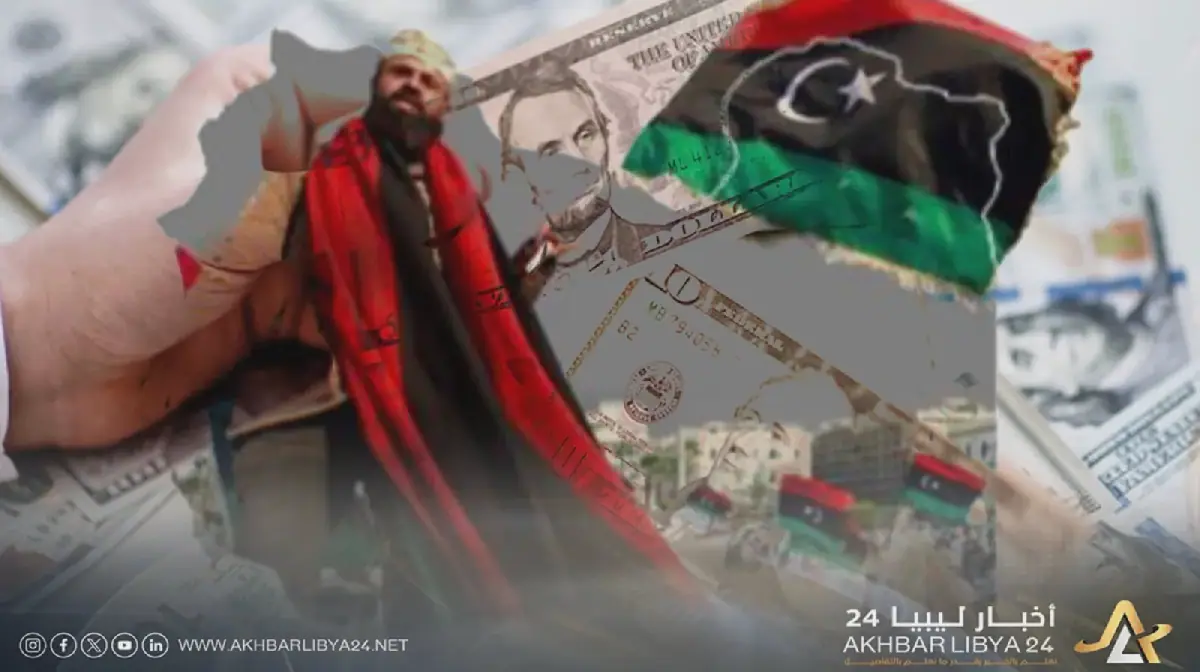
The Libyan dinar has plummeted to a record low against the US dollar, breaching the LD 10 barrier in the parallel market. This latest development has heightened concerns about rising inflation and the escalating cost of living. As the value of the dinar continues to erode, many Libyans are growing increasingly frustrated with the government's handling of the economy. The situation has sparked fears of widespread discontent and potential protests.
According to Dr. Khalid Mohammed Al-Hajazi, a political analyst, the crisis extends far beyond the Central Bank of Libya. He argues that the root causes of the problem lie in the country's inability to effectively manage its resources. The current economic instability is a symptom of deeper institutional failures, including a lack of oversight and inefficient allocation of public funds. Al-Hajazi emphasizes that saving the Libyan dinar requires a comprehensive approach that addresses these underlying issues.
A major contributor to the economic instability is Libya's over-reliance on oil revenues and lack of economic diversification. The country's budget is heavily dependent on oil exports, leaving it vulnerable to fluctuations in global energy markets. Furthermore, the ongoing political divisions and absence of effective governance have hindered efforts to implement meaningful economic reforms. As a result, public spending remains unregulated, and corruption is rampant.
The Central Bank of Libya is not equipped to tackle the crisis alone, according to Al-Hajazi. He questions whether the bank, in collaboration with the House of Representatives and the government, has a concrete plan to address the root causes of the crisis. Al-Hajazi argues that short-term measures, such as adjusting the exchange rate or imposing restrictions on foreign currency sales, are insufficient to stabilize the dinar. Instead, Libya needs a comprehensive plan to reduce public spending, unify its financial policy, and combat corruption.
The ongoing political divisions in Libya have significantly exacerbated the economic crisis. The lack of coordination between institutions has hindered efforts to implement effective economic policies. Al-Hajazi stresses that a unified government and a clear plan for economic reform are essential to restoring stability to the dinar and the broader economy. Without these fundamental changes, Libya's economic prospects will remain uncertain.
In the short term, Libyans are likely to face even greater economic challenges. The value of the dinar is expected to remain under pressure, and the cost of living is likely to continue rising. Al-Hajazi emphasizes that the government must prioritize economic stability and take concrete steps to address the root causes of the crisis. This includes implementing policies to reduce public spending, promote economic diversification, and improve transparency and accountability.
Ultimately, the fate of the Libyan dinar is closely tied to the country's ability to implement meaningful economic reforms and establish effective governance. Al-Hajazi argues that the government must take a comprehensive approach to address the economic crisis, including measures to reduce corruption, promote transparency, and improve accountability. By taking these steps, Libya can stabilize its economy and protect the purchasing power of its citizens.
Key points
- Libya's economic instability is driven by over-reliance on oil revenues and lack of effective governance.
- The country's crisis requires a comprehensive approach to address root causes, including corruption and inefficient public spending.
- A unified government and clear plan for economic reform are essential to restoring stability to the dinar and broader economy.