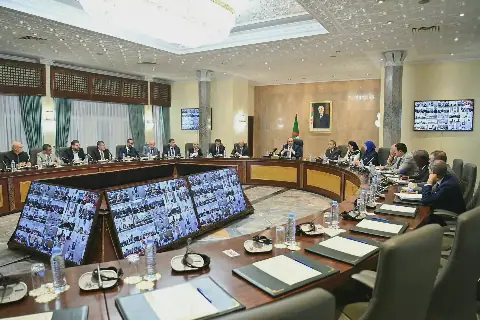
On November 5, 2026, Mahmoud Al-Ferjani, head of Libya's National Device for Development, met with Sheikh Al-Zalawi Mena Saleh Sultan Al-Tebu in Sebha. The meeting was described as fraternal and aimed to unify efforts and strengthen ties. However, the political implications of this meeting raise questions about the role of the development device in national unity and stability. The device's primary function is to implement projects, build roads, and construct buildings, but its involvement in discussions with tribal leaders suggests a more significant political role.
The meeting between Al-Ferjani and Al-Tebu has sparked debate about the relationship between development and politics in Libya. The country's southern region, particularly the Fezzan area, has long been neglected by the central government. The National Device for Development appears to be taking a different approach, focusing on tangible projects such as building bridges and roads. This approach contrasts with previous governments' efforts, which have been criticized for being merely verbal and failing to deliver concrete results.
The involvement of the National Device for Development in discussions with tribal leaders like Al-Tebu suggests a shift in the balance of power in Libya. The device's ability to implement projects and provide services gives it significant influence, particularly in areas where the central government has failed to deliver. Al-Tebu's presence in Sebha and his meeting with Al-Ferjani indicate that the Tuareg leader recognizes the device's importance in shaping the country's future.
The meeting in Sebha can be seen as a strategic move by both parties. Al-Ferjani's device is seeking to expand its influence in the southern region, while Al-Tebu aims to secure greater recognition and support for his community. The Tuareg leader's presence in Sebha also highlights the significance of the Fezzan region in Libya's overall stability. The area has long been a hub for trade, migration, and smuggling, making it a critical component of the country's economy and security.
The implications of the Sebha meeting extend beyond Libya's internal politics. The country's southern region is a critical transit point for migrants, smugglers, and terrorists. The National Device for Development's involvement in the region could help to stabilize the area and provide a more secure environment for both locals and international partners. However, the device's growing influence also raises concerns about its accountability and the potential for corruption.
To assess the success of the Sebha meeting, it is essential to examine the National Device for Development's track record in the Fezzan region. The device has implemented several projects in the area, but there are concerns about its transparency and accountability. If the device can demonstrate tangible results and a commitment to serving the local population, it may be able to build trust and legitimacy in the region.
The Sebha meeting represents a significant development in Libya's complex web of politics and development. While the meeting's outcome is uncertain, it is clear that the National Device for Development is playing an increasingly important role in shaping the country's future. As Libya continues to navigate its challenges, the relationship between development, politics, and national unity will remain a critical theme.
Key points
- The meeting between Al-Ferjani and Al-Tebu highlights the growing influence of the National Device for Development in Libya's southern region.
- The device's focus on tangible projects contrasts with previous governments' efforts, which have been criticized for being merely verbal.
- The Sebha meeting has significant implications for Libya's stability, security, and development, particularly in the Fezzan region.