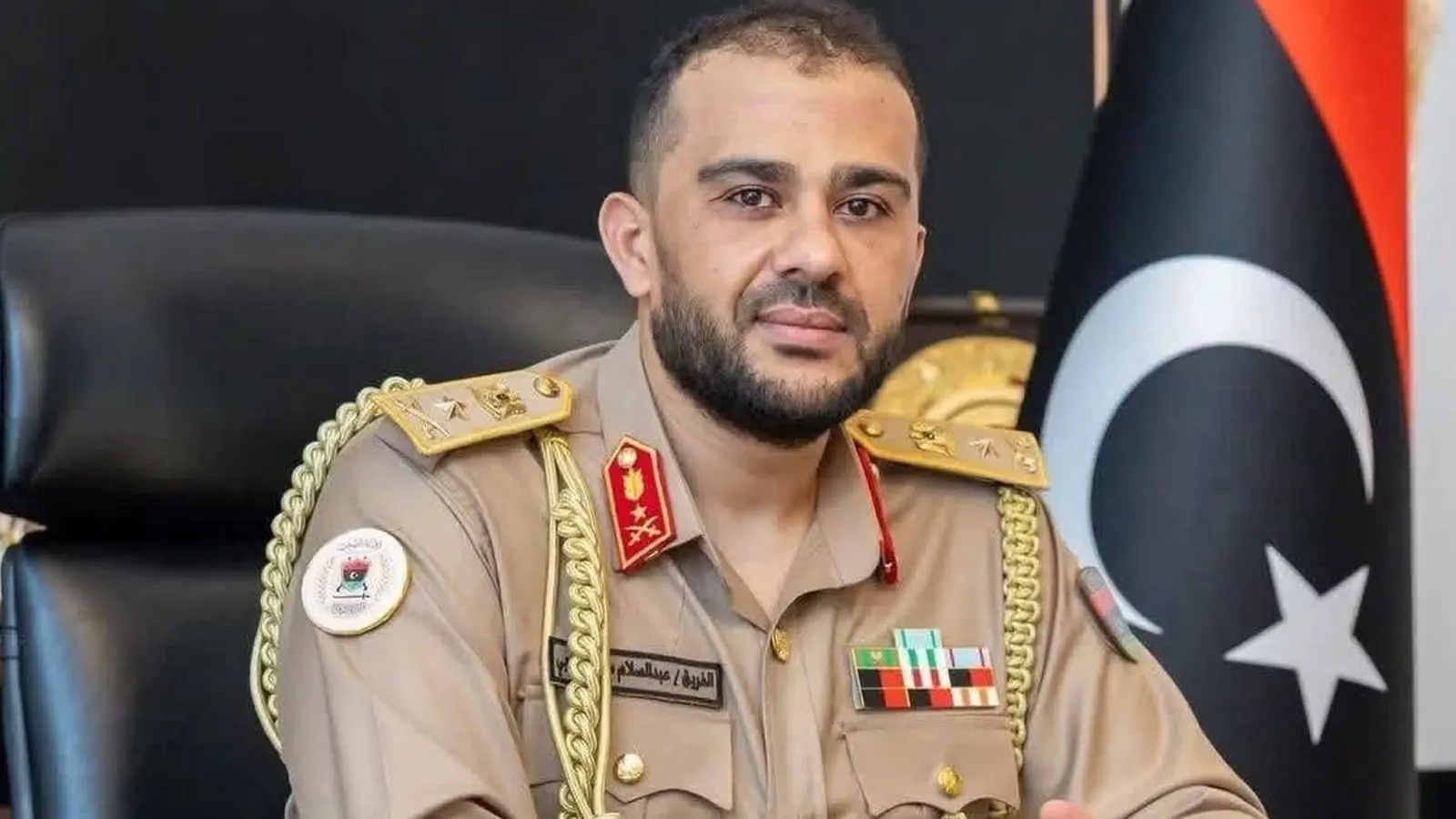
Libya's Deputy Defense Minister Abdul Salam Al-Zubi has denied reports of releasing members of a destructive cell or entering into any deals for their release. In a statement to Libya Al Ahrar TV on Wednesday, Al-Zubi confirmed that investigations with the cell members are ongoing. He mentioned that their confessions will be published once the investigations are completed. This statement comes after unconfirmed reports circulated about the release of all cell members accused of targeting power stations and oil tanks.
The rumors about the release of the cell members were linked to a reported meeting between Al-Zubi and Sadam Haftar in the United Arab Emirates. However, Al-Zubi's statement has put these reports to rest. The Ministry of Defense under the unity government had previously emphasized that investigations are ongoing to uncover all those involved and entities linked to the cell. They also denied any intention to negotiate with any party regarding the case.
The Ministry of Defense vowed to announce the results to the public opinion once the investigations are completed. Earlier, the head of the Presidential Council, Mohamed Al-Menfi, submitted a formal request to the International Criminal Court's Office of the Prosecutor for technical, legal, and financial support. This support aims to enhance investigations into attacks on fuel tanks, power stations in Tripoli and Zawiya, and to pursue those responsible.
On September 6, the unity government announced the arrest of five individuals, including Libyans and foreigners, and the dismantling of a cell. The cell was allegedly involved in drone attacks on oil tanks in Tripoli and Zawiya, and a power station in Zawiya. The government also claimed to have foiled other plans to target vital installations, military, and political leaders.
The cell, described as destructive, was said to be behind a series of attacks on critical infrastructure. The government's efforts to investigate and prosecute those involved have been ongoing. Deputy Defense Minister Al-Zubi's statement reaffirms the government's commitment to pursuing those responsible for the attacks.
The investigations into the cell's activities and connections are part of a broader effort to enhance security and stability in Libya. The involvement of international bodies, such as the International Criminal Court, reflects the complexity and severity of the crimes committed. The government's resolve to bring those responsible to justice has been emphasized through these actions.
The case of the destructive cell and the government's response to it will likely continue to be a subject of interest for the Libyan public and international observers. The outcome of the investigations and any subsequent actions will be closely watched for their implications on Libya's security and political landscape.
Key points
- Deputy Defense Minister Abdul Salam Al-Zubi denies any release of destructive cell members or negotiations for their release.
- Investigations into the cell's activities are ongoing, with confessions to be published upon completion.
- The case involves attacks on critical infrastructure, including power stations and oil tanks, in Tripoli and Zawiya.