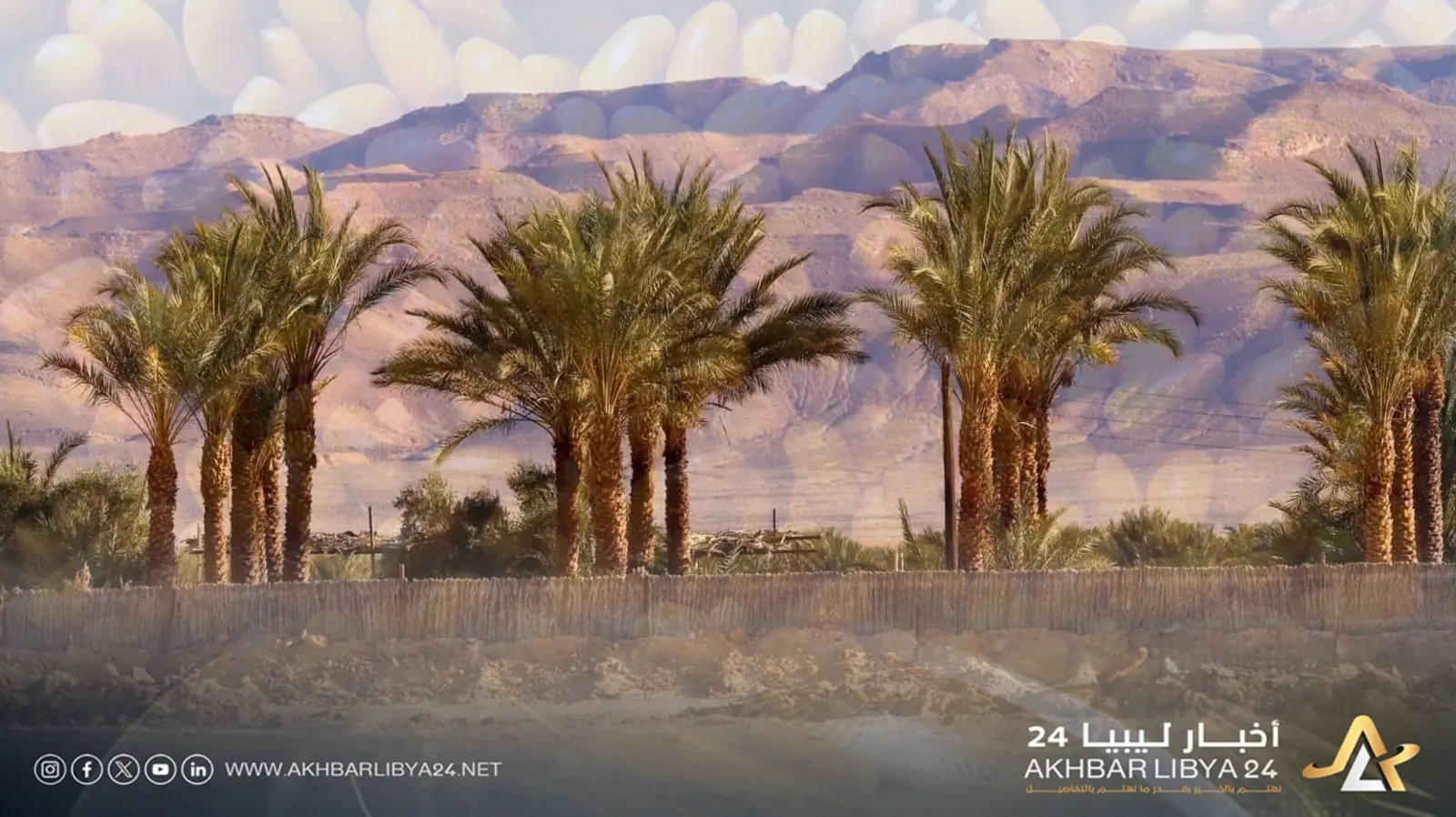
The city of Wadan in Libya's Jufra region is renowned for its high-quality date palms, with a long-standing agricultural heritage and diverse local varieties that have gained recognition for their exceptional taste and low moisture content. However, the sector is grappling with the impacts of rising temperatures and frequent electricity outages, which have resulted in crop losses of up to 25% during the 2026-2027 season.
The production of dates in Wadan during the 2026-2027 season was average, but farmers faced harsh climatic conditions and recurrent power outages, leading to damage to some crops and a significant decrease in quality. The losses have put additional pressure on producers who bear ongoing expenses for palm care, pest control, and agricultural supplies, while their returns are closely tied to the quality of the crop and its marketability.
Caring for date palms in Wadan is a year-round process that begins with planting and continues through various stages until the palms enter production, requiring consistent attention and investment. Farmers in the region emphasize that palm care is a daily and ongoing commitment, not just a seasonal activity, and they stress the need for greater support from agricultural authorities and more direct communication to address their challenges.
Wadan's date palms are distinguished by their local varieties, including the highly prized Hiliama, which is native to the region. In recent years, there has been a growing trend among farmers to focus on producing fully ripe dates, which are in high demand in the market. This shift requires careful handling and storage to maintain the quality of the dates, and farmers are seeking solutions to improve their production and marketing capabilities.
Economic experts, such as Khalid Al-Kadiki, believe that Libya's date palm sector has the potential to become a significant contributor to the country's non-oil economy, given the country's extensive palm groves and annual production of hundreds of thousands of tons. Al-Kadiki suggests that developing the sector through manufacturing, packaging, and exporting dates could generate substantial revenue, potentially exceeding $100 million annually in the medium term.
To achieve this goal, Al-Kadiki recommends investing in infrastructure, storage, and manufacturing, as well as improving production efficiency and ensuring a stable supply of high-quality products. He also advocates for the development of a unified brand for Libyan dates to enhance their competitiveness in international markets and for efforts to open new markets in Europe, Africa, and Asia.
The future of Wadan's date palm sector depends on its ability to transform the quality of its dates into sustainable economic value, ensuring better returns for farmers, creating job opportunities for young people, and providing an additional source of income for the Libyan economy. With the right investments and strategies, the sector could play a vital role in Libya's economic diversification and development.
Key points
- Libya's date palm sector faces significant challenges due to climate change and electricity outages.
- The sector has the potential to become a major contributor to Libya's non-oil economy through manufacturing and exports.
- Developing the sector will require investments in infrastructure, storage, and manufacturing, as well as improved production efficiency and marketing.