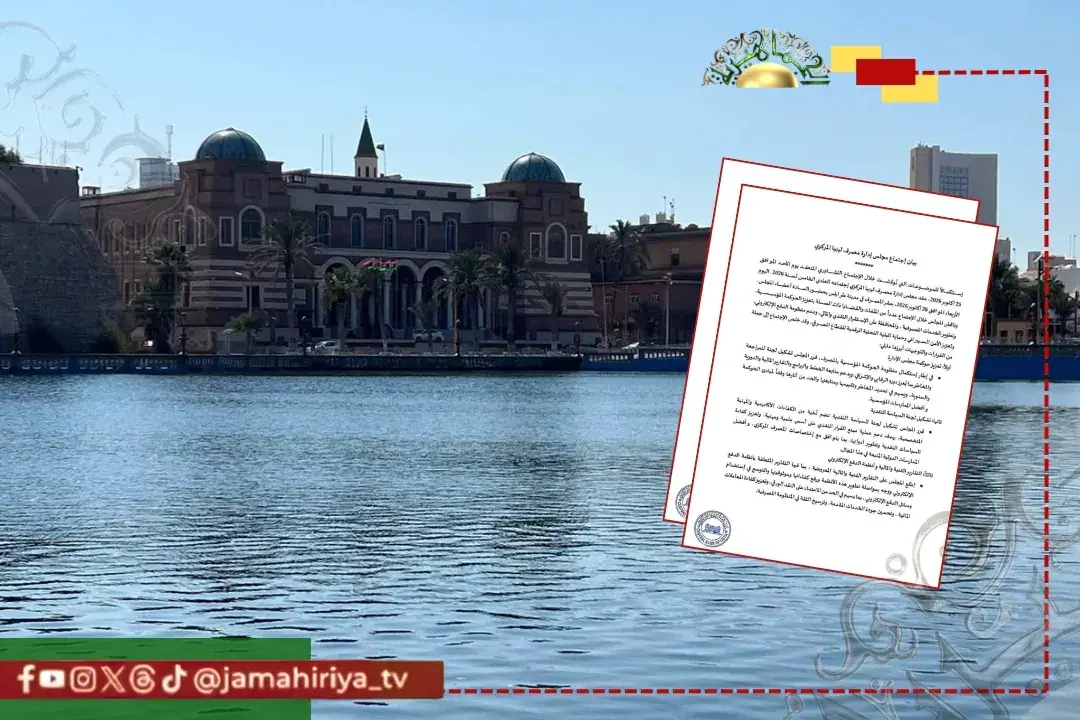
The Central Bank of Libya held its fifth ordinary meeting of 2026 in Tripoli, focusing on discussing key issues raised during the previous consultative meeting. The bank's management decided to establish a committee for review and risk management to support regulatory supervision, monitor financial plans and reports, and assess risks to minimize their impact. This move aims to strengthen the bank's oversight and regulatory capabilities.
In addition to the review and risk management committee, the Central Bank also formed a monetary policy committee comprising academic and professional experts. This committee will support informed monetary policy decisions and develop policy tools in line with international standards. By establishing these committees, the bank seeks to enhance its decision-making processes and improve the effectiveness of its monetary policy.
The Central Bank of Libya also emphasized the need to continue improving the efficiency and reliability of electronic payment systems. The bank aims to promote the use of these systems to reduce reliance on cash and enhance banking services. This initiative is part of the bank's efforts to modernize Libya's financial infrastructure and promote financial inclusion.
During the meeting, the bank's management discussed developments in foreign exchange and documentary credits. They stressed the importance of coordinating with relevant authorities to ensure a stable supply of essential goods and services, particularly with the approach of Ramadan. The bank also highlighted the need to maintain a stable exchange rate and preserve Libya's foreign exchange reserves.
The Central Bank of Libya underscored the necessity of continued coordination with the executive authority to expedite the unification of the general budget. This process will run in parallel with the implementation of necessary economic reforms. The bank's management emphasized the importance of concerted efforts to achieve economic stability and promote sustainable growth.
The bank's management also reiterated its commitment to ongoing institutional development, emphasizing the importance of good governance, transparency, and improved banking services. These efforts aim to promote financial stability and reinforce confidence in Libya's financial system. By implementing these measures, the Central Bank of Libya seeks to create a more stable and prosperous economic environment.
The Central Bank of Libya's recent decisions reflect its dedication to addressing the country's economic challenges. By forming specialized committees and promoting financial modernization, the bank aims to strengthen its role in maintaining financial stability and promoting economic growth. The implementation of these initiatives will be closely watched by stakeholders, both domestically and internationally.
Key points
- The Central Bank of Libya forms committees for review, risk management, and monetary policy to enhance oversight and decision-making.
- The bank emphasizes the need to improve electronic payment systems and reduce reliance on cash.
- The Central Bank stresses the importance of budget unification and economic reforms to achieve stability and promote growth.