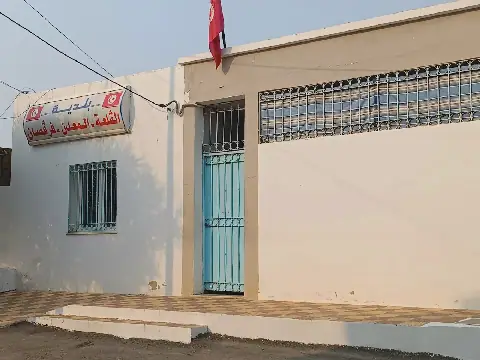
The education monitoring committee in Abuslim, Libya, announced that schools will reopen on Monday, following an emergency meeting with local education officials and government representatives. The decision comes after a two-month-long teacher protest over demands for better pay and working conditions. The committee stated that they understand the teachers' concerns but emphasized the importance of students returning to school.
The announcement was met with resistance from teachers and administrators, who have called for a peaceful protest outside the monitoring committee's headquarters. The protesters demand improved benefits, including increased salaries, and implementation of a unified salary scale. They also seek the payment of outstanding financial entitlements and comprehensive health insurance. The protests have been ongoing since September 13.
The General Teachers' Union has stated that summons and pressure from authorities will not resolve the crisis. The union emphasized that addressing the teachers' legitimate demands and implementing previous agreements is the only way to end the protests. The union also expressed concern over the government's attempts to intimidate and coerce teachers into returning to work.
Other education monitoring committees in various Libyan cities, including Misrata, Rajban, and Tobruk, have also announced the reopening of schools. However, the protests in Abuslim have not been resolved, with teachers and administrators vowing to continue their demonstrations. The situation highlights the ongoing challenges facing Libya's education sector.
The protests have been sparked by a range of issues, including low salaries, poor working conditions, and a lack of benefits. Teachers are demanding that the government implement a unified salary scale and provide comprehensive health insurance. They also want the payment of outstanding financial entitlements and improved infrastructure in schools.
The Libyan government has acknowledged the teachers' concerns and has taken steps to address some of their demands. However, the protests continue, with teachers and administrators calling for more concrete action. The situation is being closely watched by education officials and human rights groups, who are urging a peaceful resolution to the crisis.
The crisis has significant implications for Libya's education sector, which has been severely impacted by years of conflict and instability. The protests highlight the need for the government to prioritize education and address the concerns of teachers and administrators. A resolution to the crisis is crucial to ensuring that students have access to quality education and that the education sector can function effectively.
Key points
- The protests in Abuslim are part of a wider movement by teachers and administrators across Libya to demand better working conditions and benefits.
- The Libyan government has taken steps to address some of the teachers' demands, but more concrete action is needed to resolve the crisis.
- The situation highlights the ongoing challenges facing Libya's education sector, which has been severely impacted by years of conflict and instability.
Reporting sources
- Wasat TV · Wasat TV