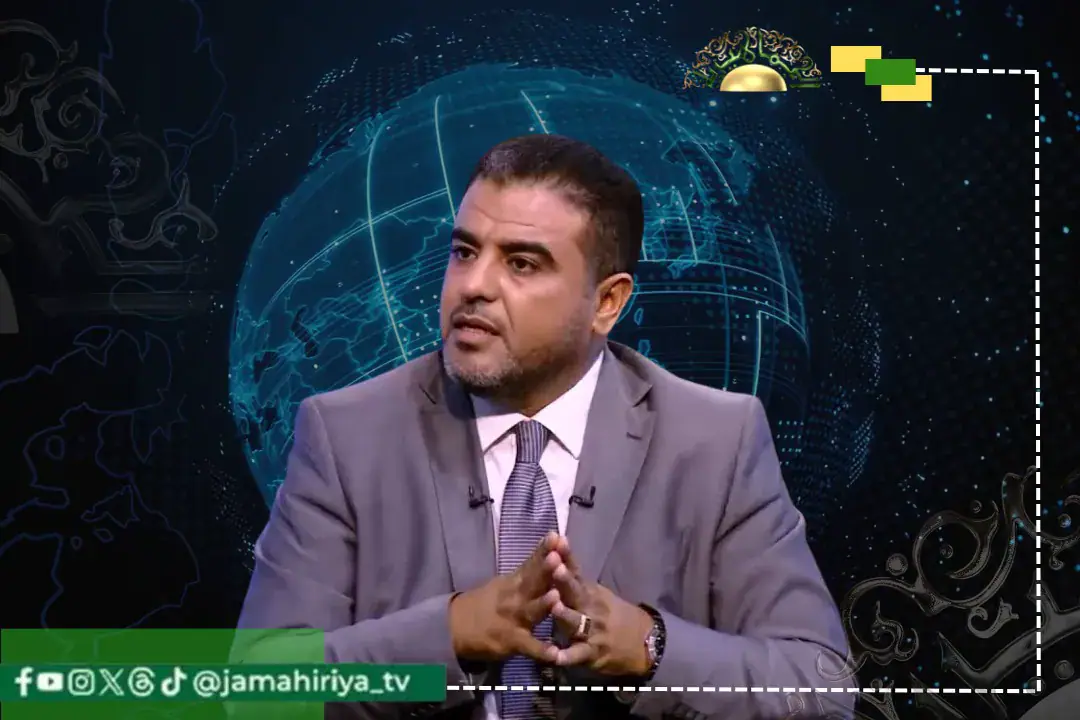
Libyan politician Abdullah Naker, head of the Al-Qawmah party, has delivered a stern message to the people of the city of Zentan, urging them to put aside their differences and work towards national unity. In an article titled "To My People in Zentan: Yesterday's Jihad and Today's Responsibility," Naker warned that the city's history and sacrifices should not be exploited for personal or political gains. He emphasized that differences in opinion are natural, but turning them into social hostilities poses a significant threat to societal cohesion.
Naker recalled Zentan's history of resistance against Italian colonialism and its role in the 2011 February 17 revolution, questioning the extent to which the goals of the martyrs who sacrificed themselves for the establishment of a state based on institutions and the rule of law have been achieved. He expressed concern over the continued division and power struggles in the country, which have hindered progress and development. Naker also lamented the weakness of Libya's public institutions and the decline of their role in serving the nation.
The politician criticized Khalifa Haftar, a prominent military leader, for his role in perpetuating the country's military division and relying on force in eastern Libya. He also held Prime Minister Abdul Hamid al-Dbeibah accountable for the prolonged transitional period, worsening living crises, and inadequate public services in western Libya. Naker stressed that the existence of rival political factions does not absolve any party of its responsibilities.
Naker specifically addressed the issue of the Arknu oil company, citing a report by the UN's expert panel that allegedly revealed links between networks associated with Haftar and Ibrahim al-Dbeibah. The report supposedly detailed arrangements that benefited both parties, involving Libyan oil revenues. Naker demanded an independent judicial and financial investigation to uncover the details of these arrangements, identify the actual beneficiaries, and hold those responsible accountable.
The head of Al-Qawmah party called for greater transparency regarding Libya's international agreements and communications, including maritime deals with Turkey, interactions with the United States, and the Masoud Bols initiative. He also referenced speculation surrounding normalization with Israel, emphasizing that issues of national sovereignty should not be decided without the involvement of the Libyan people.
Naker emphasized the need to protect Libya's oil and gas resources, particularly in the Hamada al-Hamra and Ghadames basin areas, ensuring that revenues are directed towards essential public services such as healthcare, education, and infrastructure. He criticized the continued deterioration of the education system and healthcare services, arguing that the average Libyan citizen has not seen a tangible improvement in their daily life despite the country's oil wealth.
In conclusion, Naker stressed that Zentan's significance lies not in hosting parliamentary meetings or official visits but in its ability to maintain unity, achieve development, and provide services to its people. He urged Libyans to put aside their differences and work towards a national project that brings them together, establishing a state based on a constitution, elections, justice, and accountability. Naker reiterated that Libya belongs to its people, not individuals or families.
Key points
- Abdullah Naker calls for Libyan national unity and criticizes leaders for perpetuating divisions.