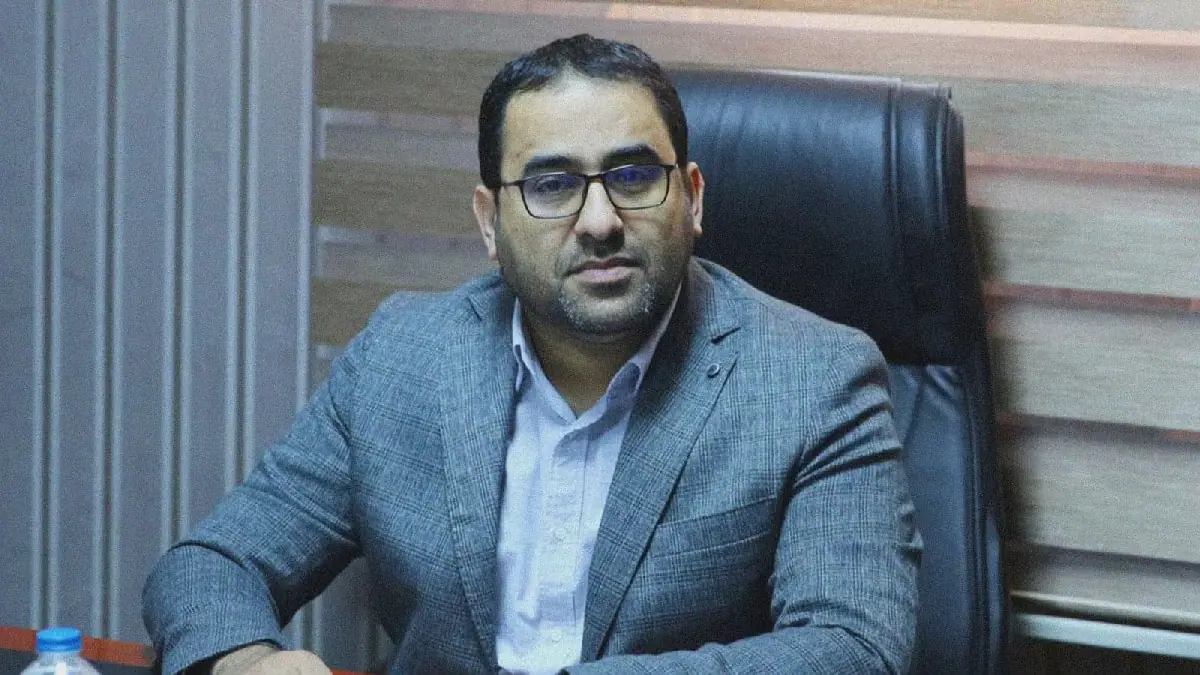
A member of Libya's 4+4 committee, Abduljaleel Al-Shawsh, has raised concerns about the legality of appointing Fawzi Abu Khzam as governor of the Central Bank of Libya. Al-Shawsh stated that the appointment, although made by the House of Representatives, is still questionable in terms of meeting the requirements of Article 15 of the Libyan Political Agreement. He emphasized the need for consensus between the House of Representatives and the State Council.
Al-Shawsh expressed his concerns in a statement to Libya Al Ahrar TV, highlighting that Abu Khzam should have waited for the completion of the necessary legal procedures and consensus before accepting the position. This, according to Al-Shawsh, is crucial to protect the independence of the Central Bank and maintain the trust of international financial institutions. He also pointed out that similar concerns arise from recent appointments made by the head of the State Council, Mohamed Takala.
The appointments in question include those of the deputy head of the Audit Bureau and the deputy head of the Administrative Control Authority. Al-Shawsh argued that these moves raise serious concerns about jurisdiction and the overstepping of powers, potentially leading to the entrenchment of a policy of imposing reality on the ground. He urged the House of Representatives and the State Council to refrain from overstepping their powers and undermining sovereign institutions.
Al-Shawsh stressed that key positions should not be treated as political spoils or personal property, but rather should be filled through due process and within the limits of each institution's jurisdiction. He warned that the ongoing power struggles, coupled with the collapse of the unified development agreement, pose significant economic challenges to the Libyan dinar and adversely affect citizens.
The economic challenges are particularly concerning given that many Libyan families struggle to make ends meet, with thousands of families earning less than 1,500 dinars per month. Al-Shawsh emphasized that the dignity and well-being of Libyan citizens should be prioritized above all else. He called on all parties to respect the boundaries of their authority and avoid political maneuvering and power struggles.
The situation in Libya remains complex, with ongoing tensions between different political factions and institutions. The 4+4 committee, comprising members from the House of Representatives and the State Council, was established to facilitate dialogue and find solutions to the country's challenges. Al-Shawsh's comments reflect the concerns of many Libyans who are eager to see stability and prosperity return to their country.
As the situation continues to unfold, it remains to be seen how the various stakeholders will respond to Al-Shawsh's concerns and the broader challenges facing Libya. One thing is certain, however: the country's future depends on the ability of its leaders to work together and prioritize the needs of its citizens.
Key points
- A member of Libya's 4+4 committee questions the legality of appointing Fawzi Abu Khzam as governor of the Central Bank of Libya.
Reporting sources
- عضو لجنة 4+4: تكليف أبوخزام محل تساؤل قانوني · Libya Al Ahrar TV