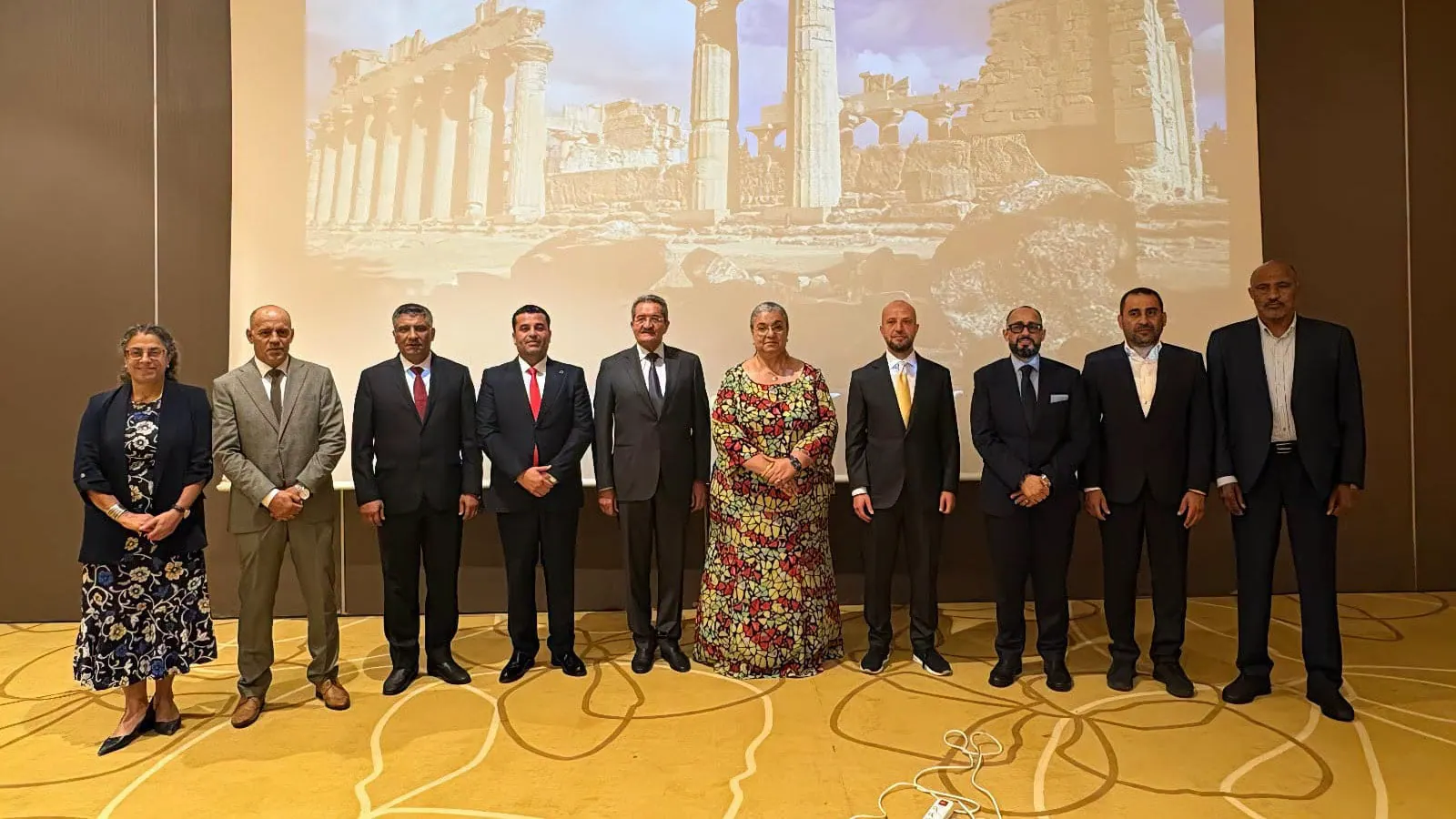
In a meeting held in Tunis, the 4+4 committee, comprising representatives from Libya's rival authorities, convened for their tenth session since April and second since the August 30 agreement. Under the leadership of UN Special Representative Hanna Tietze, they examined the potential consequences of the judicial division on the electoral process. The committee emphasized the urgent need to address this division while respecting the judiciary's independence and avoiding political interference.
The 4+4 committee reaffirmed their commitment to implementing the August 30 agreement and incorporating future consultation results into a comprehensive framework. They believe that any procedural steps to enforce the agreement would be premature and unhelpful given the current climate of consensus. The committee agreed to continue engaging with all parties to secure broader support for the agreement and scheduled a follow-up meeting before the end of the month.
The 4+4 committee, representing Libya's eastern and western authorities, signed a joint agreement on August 30 to reconstitute the National High Commission for Elections' management council and resolve disputes over presidential and parliamentary election laws. This development aimed to create a unified electoral framework and ensure the integrity of the upcoming elections.
Libya's House of Representatives recently passed a package of laws and decisions related to the electoral process, following the 4+4 committee agreement. One law amends presidential election regulations, stipulating that simultaneous presidential and parliamentary elections must occur within 24 months of establishing a unified executive authority. The new law also introduces a two-round system, with the possibility of eliminating the second round if a candidate secures an absolute majority in the first round.
However, the High Council of State responded by labeling the House of Representatives' law as unconstitutional, rejecting the legislative changes and decisions related to the electoral process and the 4+4 committee's outcomes. This disagreement highlights the ongoing challenges in Libya's efforts to establish a stable and inclusive electoral process.
The 4+4 committee's discussions focused on addressing the judicial division to ensure the integrity and acceptance of the upcoming elections. They stressed that resolving this issue is crucial for creating a favorable environment for free and fair elections. The committee's efforts aim to build trust among Libyan stakeholders and the international community.
The UN Support Mission in Libya reported on the 4+4 committee's meeting, emphasizing the importance of their efforts in promoting a peaceful and electoral resolution to the Libyan crisis. The international community is closely watching the developments in Libya, hoping for progress toward a stable and democratic future.
Key points
- The 4+4 committee emphasizes the need to address Libya's judicial division to ensure election integrity.
- The committee reaffirms its commitment to implementing the August 30 agreement.
- Libya's rival authorities continue to disagree on electoral laws and procedures.