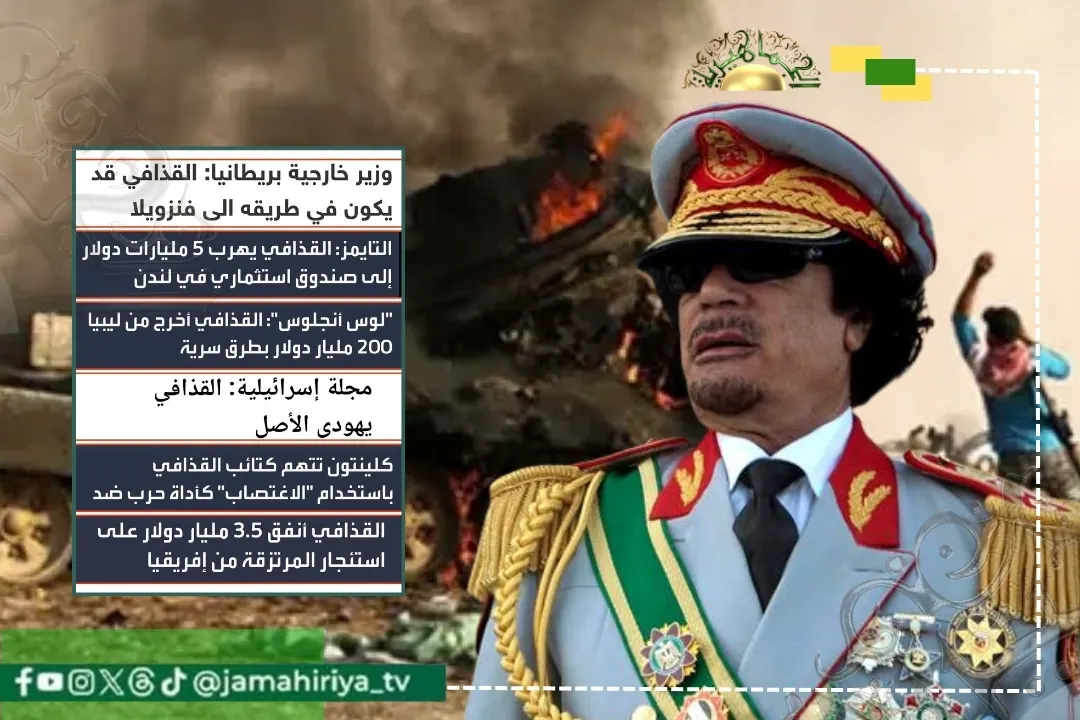
On October 7, 2026, a thought-provoking article reflected on the events leading to the 2011 Libyan uprising, highlighting the crucial role of information warfare in shaping the country's fate. As the international community closely monitored the situation, a multifaceted campaign was waged, involving various media outlets, governments, and other stakeholders. This campaign aimed to erode Gaddafi's legitimacy, creating an environment conducive to regime change.
According to the article, major Western powers, including the United States and Britain, were aware of Gaddafi's actual situation and the misinformation being spread about him. Despite this, they continued to fuel the narrative of his alleged crimes, including the use of mercenaries and human rights abuses. The article suggests that these claims were unfounded and part of a broader effort to delegitimize Gaddafi and his government.
The article also implicates certain media outlets, including Al Jazeera, in perpetuating this misinformation. With a reported annual budget of $1 billion, Al Jazeera and similar media organizations played a significant role in shaping public opinion and influencing the narrative around the Libyan uprising. The article argues that this information campaign was a critical factor in the eventual downfall of Gaddafi's regime.
A key aspect of this information campaign was the use of repetition and coordination among various media outlets and government officials. The article cites an astonishing number of media outlets, analysts, and government officials – 40 heads of state, 300 TV channels, 500 analysts, 1,000 newspapers, and 10,000 reports – all disseminating similar information and accusations against Gaddafi. This created an overwhelming narrative that was difficult for the Libyan leader to counter.
The article concludes that this information campaign was a decisive factor in the success of the Western-backed intervention in Libya. By creating a narrative that Gaddafi was a brutal dictator, the international community was able to build a case for intervention, which ultimately led to the overthrow of his regime. However, the article also notes that many of these claims have since been discredited, and it is time for a more nuanced understanding of the events leading to the Libyan uprising.
The legacy of the 2011 Libyan uprising continues to be felt, with the country still grappling with the consequences of the conflict. The article argues that the use of information warfare as a tool of foreign policy has significant implications for the future of international relations. As the world becomes increasingly interconnected, the ability to shape public opinion and influence narratives will only continue to grow.
In the end, the article serves as a reminder of the importance of critically evaluating information and sources, particularly in times of conflict. By examining the complex web of information warfare that preceded the Libyan uprising, we can gain a deeper understanding of the events that shaped the country's fate and the implications for the future of international relations.
Key points
- The 2011 Libyan uprising was preceded by an intense information campaign that shaped public perception and contributed to the downfall of Muammar Gaddafi's regime.