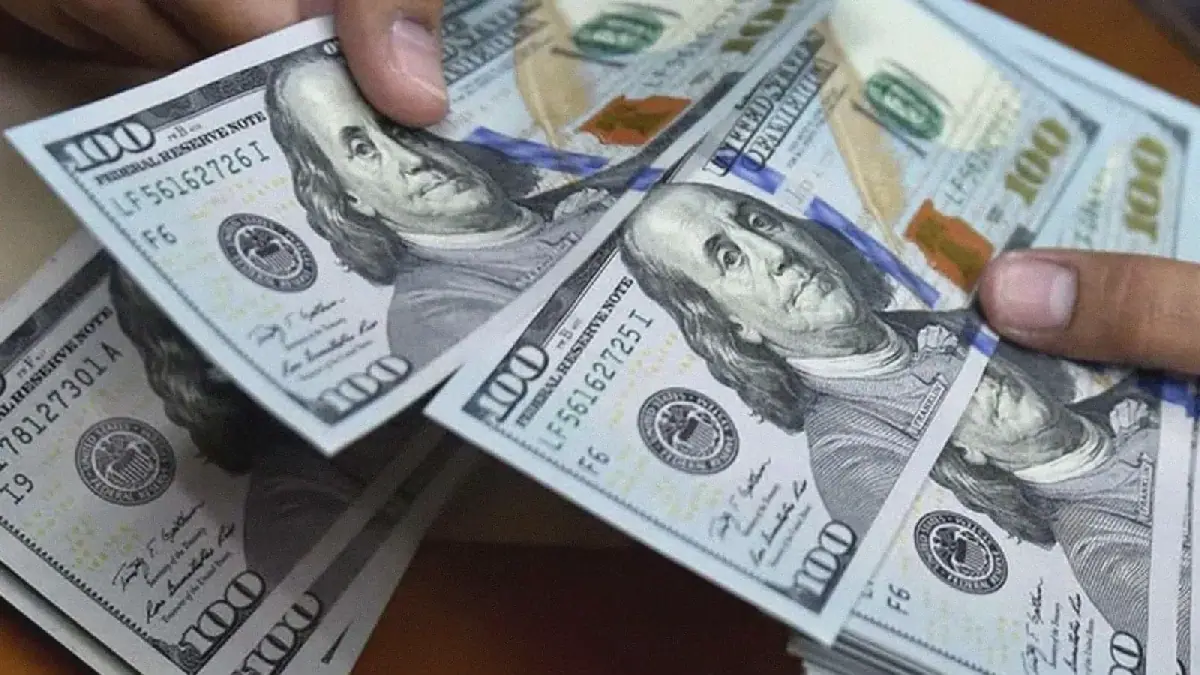
Libya's finance ministry has put on hold a decision to raise the customs dollar rate, citing institutional divisions and procedural issues. The rate was set to increase to 4.80 dinars per dollar from 2.12 dinars. According to Hadi Al-Warshafani, director of the minister's office, the decision was made to halt the implementation of the new rate and revert to the previous one. This move comes as the country faces ongoing challenges in its economic and political landscape.
The initial decision to raise the customs dollar rate was intended to regulate import activities, achieve trade balance, and protect local products. Al-Warshafani explained that the new rate would impact the cost of imports, influence demand, and help stabilize prices. The goal was also to narrow the gap between the official and parallel market exchange rates. However, the implementation of this decision was halted due to various obstacles.
The institutional divide in Libya has been a significant challenge in recent times. The country has been struggling with a complex political landscape, which has affected various sectors, including the economy. The finance ministry's decision to halt the increase in the customs dollar rate reflects the difficulties in implementing policies amid this divide.
The General Authority for Customs in Libya has issued instructions to apply the previous rate of 2.12 dinars per dollar to goods that have not yet cleared customs. However, transactions that were completed before the new instructions were issued will not be affected. This move aims to minimize disruptions to trade activities.
The postponement of the customs dollar rate hike has implications for Libya's economy. The country's reliance on imports and the fluctuations in the exchange rate have significant effects on the market. The finance ministry's decision to revisit the rate hike is seen as a step towards addressing these challenges.
The issue remains under review, according to Al-Warshafani. The finance ministry is working to address the procedural issues and institutional divisions that led to the postponement of the rate hike. The outcome of this review will likely have a significant impact on Libya's economic policies.
The development highlights the complexities of economic policy implementation in Libya. The country's ongoing struggles with its political and economic landscape continue to pose challenges to decision-makers. The situation will likely remain a key area of focus for stakeholders in the coming period.
Key points
- Libya's finance ministry has halted a decision to raise the customs dollar rate due to institutional divisions and procedural issues.
- The initial decision aimed to regulate import activities, achieve trade balance, and protect local products.
- The issue remains under review, with the outcome likely to have a significant impact on Libya's economic policies.