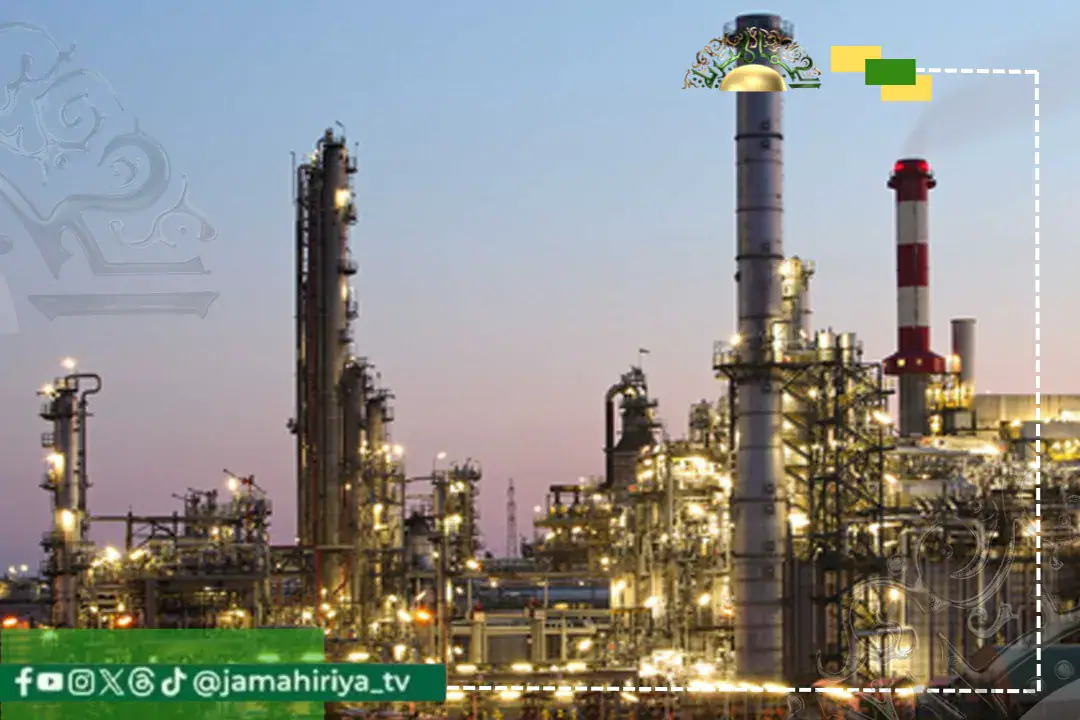
A recent report by the US-based organization, The Sentry, has shed light on the massive economic losses incurred by Libya due to fuel smuggling over the past three years. The report estimates that Libya has lost approximately $20 billion, with an annual loss of $6.7 billion, due to the smuggling of fuel. This has been made possible by the exploitation of the fuel subsidy system, with a significant portion of imported fuel being diverted into illegal trade.
The Sentry report highlights that over half of the fuel imported into Libya is smuggled out through criminal networks. The primary intention behind importing and subsidizing fuel is to provide the local market with affordable fuel for citizens. However, the thriving black market has led to substantial economic and financial imbalances. The report also notes that Libya's reliance on importing fuel in exchange for crude oil exports deprives the country of exporting a larger portion of its oil production for foreign currency.
This situation limits the resources available to the Central Bank of Libya for financing essential imports such as food, medicine, and basic goods. It also affects the state's ability to meet its financial obligations, including salary payments. The report links the expansion of smuggling activities to the decline in the value of the Libyan dinar on the parallel market and the rise in commodity prices. Furthermore, it notes that fuel shortages and the risk of electricity outages worsen the living conditions for citizens.
The Sentry report accuses Khalifa Haftar of playing a significant role in reorganizing the fuel smuggling sector. Haftar allegedly utilizes his military influence and growing capabilities in eastern and southern Libya for this purpose. The report indicates that smuggling operations have expanded to include sea routes in the Mediterranean and land routes towards Chad, Niger, and Sudan. In western Libya, particularly in Zawiya and Misrata, smuggling networks have adapted to the growing activity.
The report also points out that the consequences of the crisis extend beyond Libya's borders, with foreign parties benefiting from the smuggling. These parties include Russian units active in Africa and Sudanese Rapid Support Forces, with smuggled fuel reaching markets in Malta and Italy. The report criticizes the continued exploitation of the subsidy system, suggesting that the scale of smuggling would not have been possible without implicit acceptance from influential parties within Libya.
The Sentry report calls for international action to hold those involved accountable and protect oil institutions from exploitation. It emphasizes that continued fuel smuggling threatens Libya's economic sustainability and deprives citizens of benefiting from their country's resources. The report underscores the need for measures to prevent further losses and ensure that Libya's wealth benefits its population.
The findings of The Sentry report highlight the urgent need for Libya to address the issue of fuel smuggling and its broader economic implications. With the country's economy and citizens bearing the brunt of this illicit trade, concerted efforts are required to combat smuggling and protect Libya's resources.
Key points
- Libya loses $20 billion to fuel smuggling from 2022 to 2024.
- Khalifa Haftar accused of playing a significant role in reorganizing fuel smuggling.
- Fuel smuggling affects Libya's economy, leading to shortages and price increases.