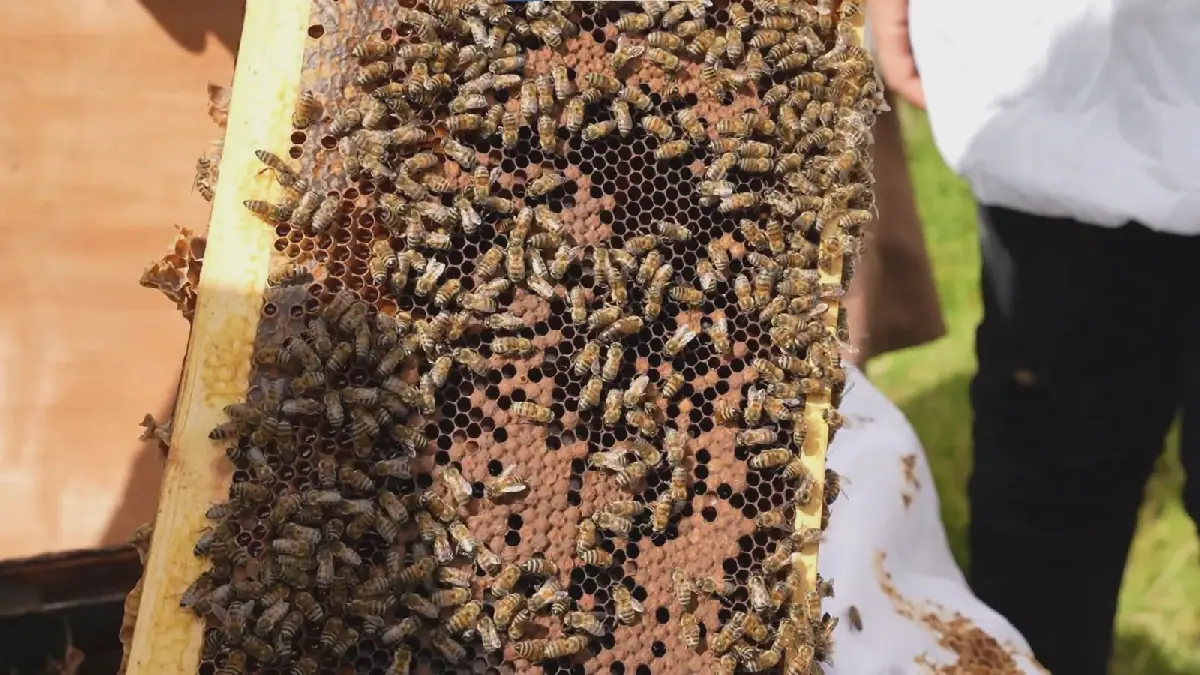
The Libyan government has taken a significant step to safeguard its local honey bee population by imposing a ban on the importation of honey bee queens. This decision, made by Ibrahim Faraj Al-Ferjani, the Director-General of the Honey Bee Development and Development Device affiliated with the Council of Ministers, aims to protect local breeds from potential threats. The ban encompasses all types and breeds of honey bee queens, whether imported directly or indirectly.
The primary objective of this ban is to prevent the transmission of diseases and pests that could devastate Libya's local honey bee population. By restricting the importation of foreign queens, the government hopes to maintain the health and integrity of its native bee species. This move is crucial for the country's beekeeping industry, which relies heavily on the well-being of its local bee population.
While the ban is comprehensive, it does allow for exceptions in certain cases. Shipments of honey bee queens imported for scientific research or specialized studies are exempt from the ban, provided they obtain prior approval from the relevant authorities and comply with specific health, technical, and quarantine conditions. This exemption enables researchers to continue their work while ensuring that the necessary precautions are taken.
The Libyan government has urged all relevant authorities at the country's land, sea, and air borders to enforce the ban strictly and take necessary actions against any shipments that fail to comply. This includes confiscating and prosecuting any imports that contravene the new regulations. By doing so, the government aims to prevent potential risks to the local bee population and maintain the country's biosecurity.
The decision to impose a ban on importing honey bee queens has been welcomed by local beekeepers and environmentalists. They believe that this move will help protect Libya's unique bee species and promote the country's beekeeping industry. The ban is also expected to raise awareness about the importance of preserving local biodiversity and the potential risks associated with introducing non-native species.
The Honey Bee Development and Development Device, affiliated with the Council of Ministers, is responsible for implementing and enforcing this ban. The device has been working closely with relevant authorities to ensure a smooth transition and effective enforcement of the new regulations. This collaborative effort aims to promote the health and well-being of Libya's local honey bee population.
The ban on importing honey bee queens is a significant step towards protecting Libya's local bee population and promoting the country's beekeeping industry. By taking proactive measures to prevent disease transmission and maintain the health of its native bee species, the Libyan government is working to ensure a sustainable future for its beekeeping sector.
Key points
- The Libyan government has imposed a ban on importing honey bee queens to protect local breeds and prevent disease transmission.
- The ban allows for exceptions in cases of scientific research or specialized studies, subject to prior approval and compliance with specific conditions.
- The government has urged authorities at all borders to enforce the ban strictly and take actions against non-compliant shipments.