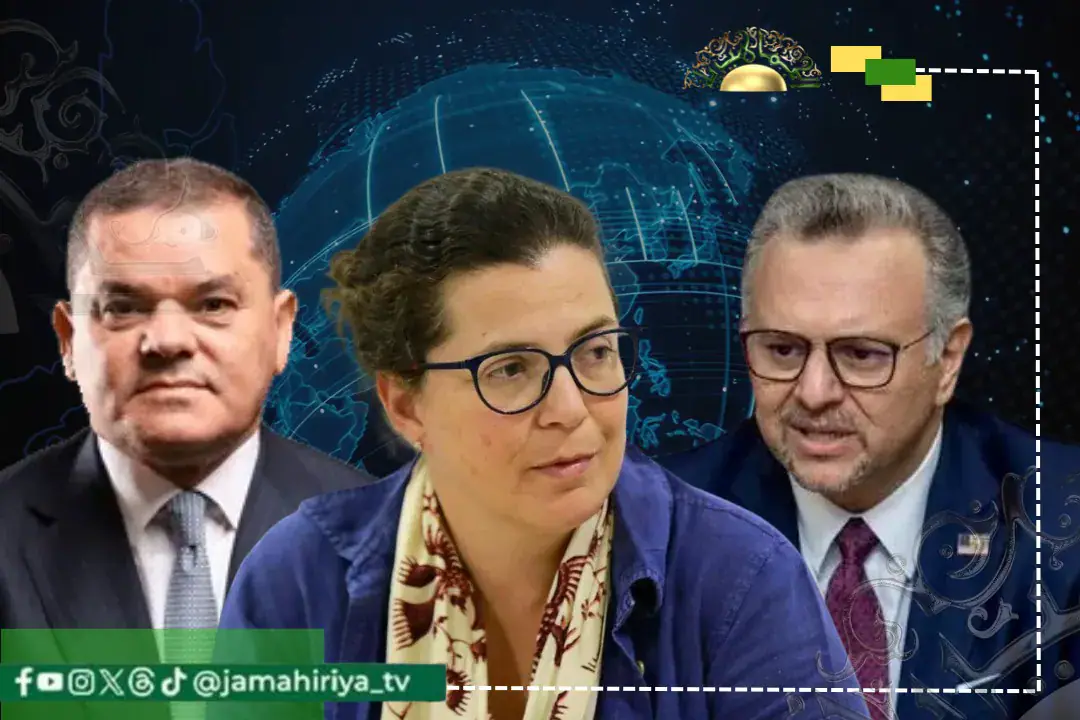
The International Crisis Group's Claudia Gazaini stated that Libya is not close to unifying its institutions or forming a unified government despite recent US efforts. Gazaini expressed concerns over the reluctance within the camp of Prime Minister Abdul Hamid al-Dbeibah and opposition from various political forces, including factions in the city of Misrata, to any agreement that could pave the way for Sadam al-Haftar to assume the presidency.
Gazaini identified the main obstacle to reunifying Libya's institutions as the ongoing opposition to proposed arrangements, which appear to include Sadam al-Haftar as the head of the presidential council. This opposition complicates efforts to achieve a unified political front. The analyst emphasized that the US efforts, though supportive of the general direction toward political unification, are also crucial in reducing the likelihood of military confrontations between rival factions.
The US aims to push for the unification of Libya's institutions without resorting to force or accepting any outcome at all costs. According to Gazaini, Washington also seeks to ensure the integrity of financial transactions and prevent large-scale embezzlement or money laundering. The current state of Libya's finances has not satisfied the US, leading to strong statements from American officials on this issue.
US presidential advisor Masood Pulus recently called for the immediate implementation of a plan to unify Libya's institutions, threatening to punish those who hinder the process. This call highlights the external pressures on Libya's political landscape. The situation on the ground remains complex, with various factions holding different visions for the country's future.
The International Crisis Group's assessment paints a challenging picture for Libya's path to unity. The organization's analysis underscores the need for a concerted effort from all parties involved to overcome the existing hurdles. The role of international actors, including the US, will likely continue to influence the trajectory of Libya's political developments.
As Libya navigates its political crisis, the international community watches closely. The country's future hinges on the ability of its leaders to find common ground and work toward genuine unity. The stakes are high, with the potential for further instability or progress toward a more stable and unified Libya.
The situation in Libya demands a delicate balance between internal political dynamics and external pressures. The path to unity is fraught with challenges, but efforts to support a unified government and institutions remain crucial for the country's stability and future prosperity.
Key points
- Libya faces significant challenges in achieving a unified government and institutions.
- The US supports the general direction toward political unification in Libya but seeks to avoid imposing it by force.
- External pressures, including from the US, are influencing Libya's political developments.