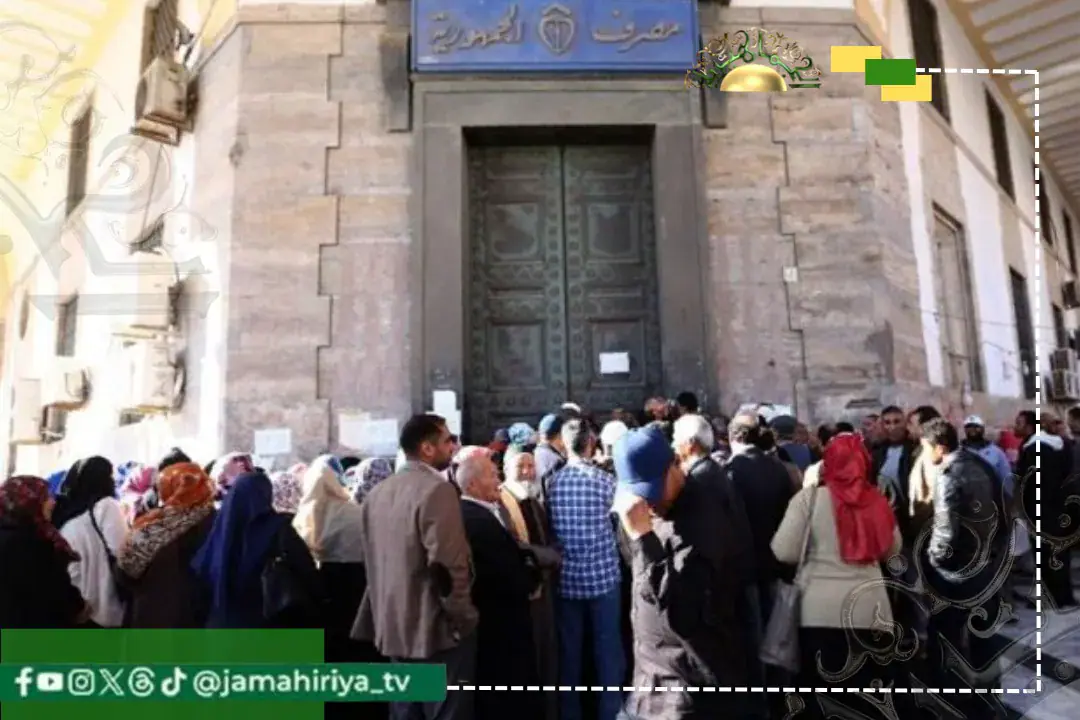
A report by Aljamahiriya TV has warned that Libya is on the brink of financial and social collapse in 2027 due to ongoing political deadlock. The report cited warnings from UN envoy Hana Tietie that the country's financial system could collapse, leaving the government unable to pay public sector salaries. This has raised concerns about the state's ability to fund its basic commitments, including paying the salaries of hundreds of thousands of employees.
The report highlighted that the political impasse is no longer just a threat to prolonging the transitional period and delaying elections, but also poses a risk to the state's ability to finance its basic obligations. Libya's economy is heavily reliant on oil revenues and public spending, with a large portion of the population dependent on public sector jobs. Delays in salary payments could therefore have far-reaching social and economic consequences.
The UN envoy's warnings have underscored the need for a stable and functioning government in Libya. The country's reliance on oil revenues and public spending has created a precarious economic situation, with many Libyans dependent on government salaries and subsidies. The report also pointed to the problem of corruption and mismanagement of public funds, which has weakened the state's ability to protect its resources and allocate them towards public services.
According to the report, the issue is not just about oil production levels or prices, but also about how revenue is managed and allocated. The multiplicity of decision-making centers, weak oversight of spending, and competition between political forces and influential groups have all contributed to the country's economic woes. The report also highlighted the problem of fuel smuggling and the lack of effective control mechanisms for managing public finances.
The report warned that networks of interest and illicit activities are having a corrosive impact on Libya's economic and financial institutions. This has weakened the state's ability to protect its resources and allocate them towards public services. The situation has raised concerns about the long-term sustainability of Libya's economic model, which is heavily reliant on oil revenues and public spending.
The Libyan government's inability to pay salaries could have significant social and economic implications. Many Libyans rely on public sector jobs for their livelihood, and delays in payment could lead to widespread unrest and discontent. The report has highlighted the need for a stable and functioning government that can manage the country's resources effectively and allocate them towards public services.
The situation in Libya remains precarious, with the country's economic and financial stability hanging in the balance. The international community has called for a swift resolution to the political impasse, which has been ongoing for several years. The UN envoy's warnings have underscored the need for urgent action to address the country's economic and financial challenges and prevent a collapse of the financial system.
Key points
- Libya's economy is heavily reliant on oil revenues and public spending.
- The country's political impasse poses a significant risk to its financial stability.
- The UN envoy has warned of a potential collapse of the financial system in 2027.
Reporting sources
- العرب اللندنية: شبح الانهيار المالي والاجتماعي يهدد ليبيا في عام 2027 · Aljamahiriya TV