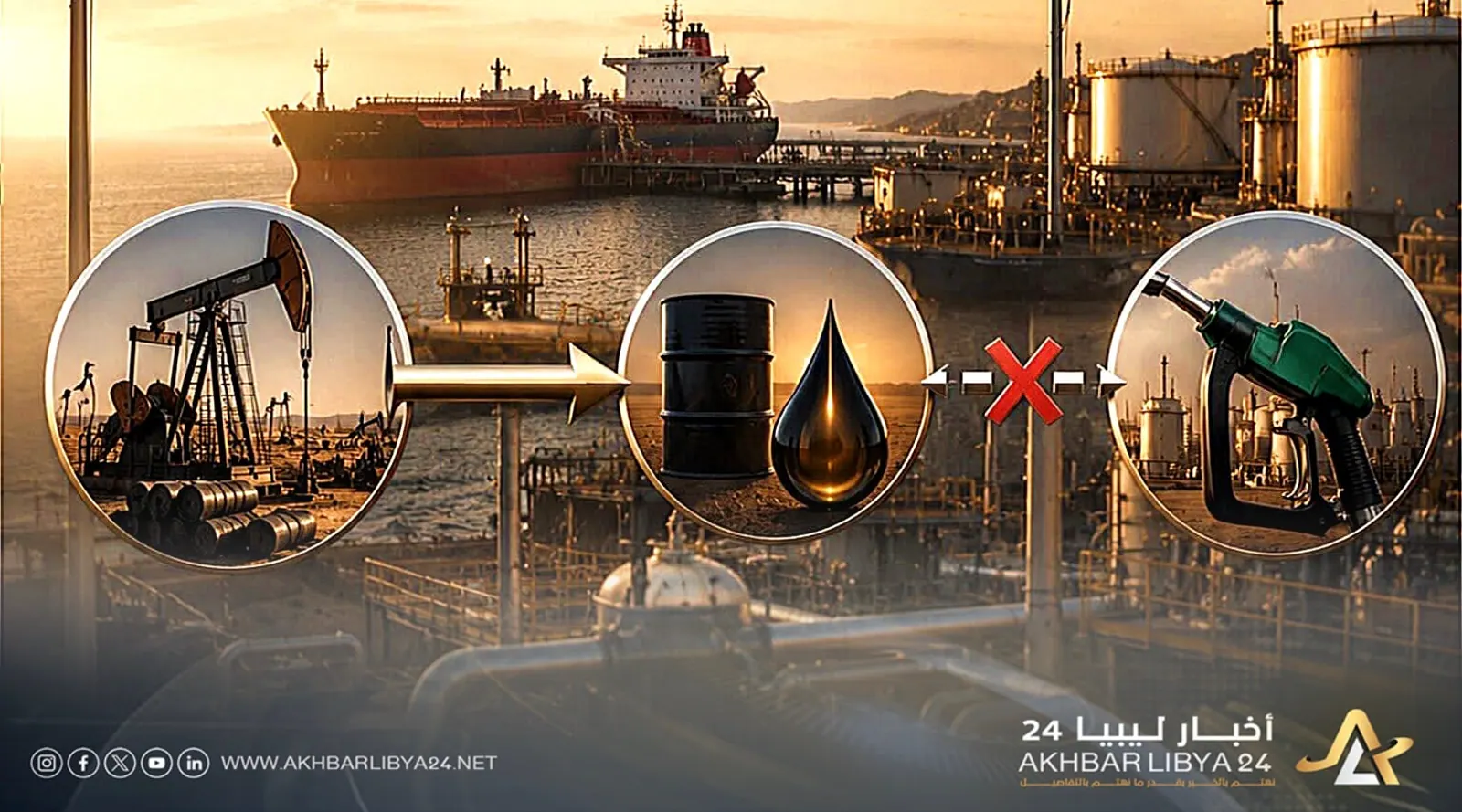
Libya's economy is bracing for a new test, with warnings that the country's reliance on oil revenues and imports makes it vulnerable to external shocks. According to former Economy and Industry Minister Munir Asr, the country's economic challenges require a proactive approach to mitigate risks. Asr emphasized that any external disturbance can quickly impact the foreign exchange market, prices, and purchasing power.
Asr proposed a national economic plan with clear stages and goals, allowing for measurable results and review. He stressed that success should not be measured by the number of meetings or committees but by tangible outcomes on the ground. The plan should include clear indicators and mechanisms for monitoring and accountability. This approach aims to move beyond daily crisis management to a more strategic and sustainable economic framework.
A key aspect of Asr's proposal is protecting foreign exchange by prioritizing essential imports, such as machinery, raw materials, and food. He advocates for reducing unnecessary consumer imports that strain resources needed for local production. The goal is to transition from an economy reliant on imports to one that produces a larger share of its needs. This shift would help reduce the country's dependence on external factors.
Asr also addressed the issue of fuel subsidies, warning that any increase in fuel prices should be accompanied by alternatives, such as improved public transportation and enhanced services. He argued that reforming subsidies should be part of a comprehensive economic and social package that protects citizens and reduces waste and smuggling. This approach aims to minimize the impact of subsidy reforms on citizens.
The management of Libya's oil wealth is another critical aspect of Asr's proposal. He emphasized the need to think about the future and not let high oil prices automatically lead to increased current spending. Asr suggested establishing a sovereign fund to invest surplus oil revenues professionally, converting temporary increases in oil prices into assets and investments for future generations.
Asr's vision also includes a new approach to economic development, focusing on the comparative advantages of different regions. He proposed designating specific areas for industry, agriculture, tourism, or logistics, leveraging geographical advantages, resources, and infrastructure to guide investment and production. This approach aims to promote economic growth while maintaining national unity.
Finally, Asr linked economic reform to modernizing government administration, emphasizing the need for digital transformation to enhance state institutions' efficiency. He argued that a unified database and digital transactions can help regulate spending, combat bureaucracy, and improve decision-making. The ultimate goal of economic reform, Asr stressed, is to improve citizens' lives through stable prices, better services, and job opportunities.
Key points
- Libya's economy is vulnerable to external shocks due to its reliance on oil revenues and imports.
- A comprehensive economic plan is needed to protect the country's financial stability and boost local production.
- The plan should prioritize essential imports, reduce unnecessary consumer imports, and promote economic development based on regional advantages.