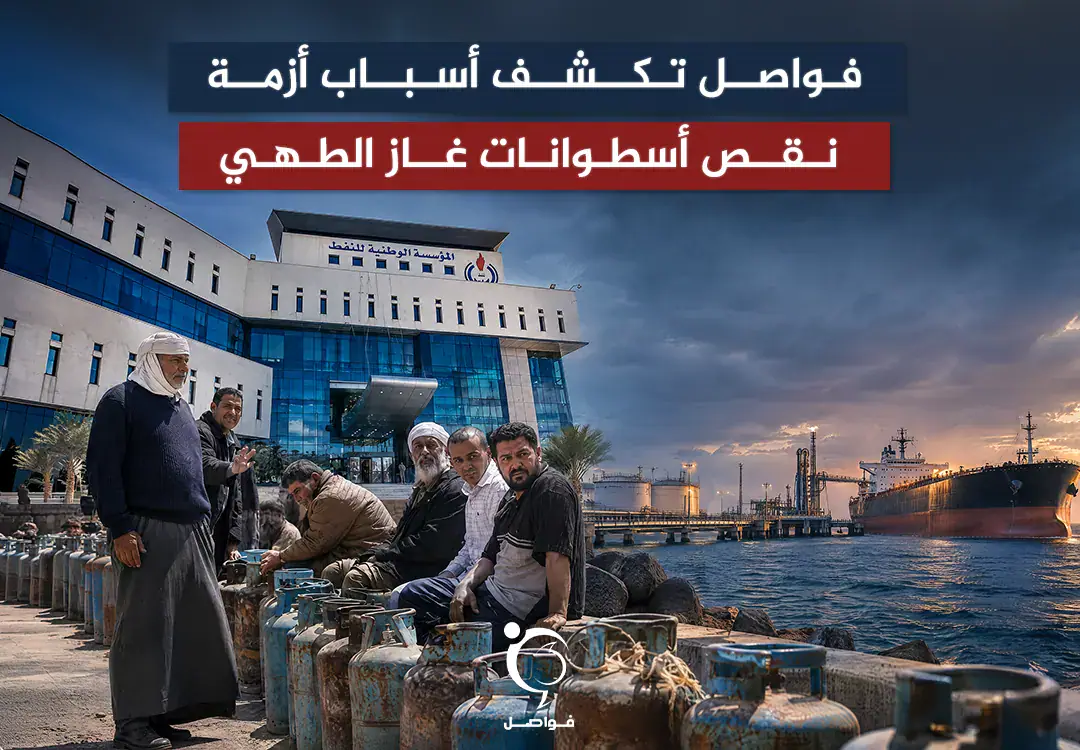
The Libyan National Oil Corporation has faced significant challenges in importing gas cylinders, resulting in a severe shortage across the country. According to documents obtained by Fawasel Media, the corporation had contracted with Ola Shipping and Trading to charter a ship to transport liquefied petroleum gas from the port of Mellitah. However, the ship was detained at the Greek port of Kalamata due to a legal dispute between its owners.
The detention of the ship has severely impacted Libya's ability to import gas cylinders, leading to a shortage in the country's storage facilities. The National Oil Corporation has urgently sought alternative shipping options but has faced difficulties in securing a replacement vessel. Many ship owners have been hesitant to engage with the corporation due to delayed payments and the scarcity of vessels that meet the technical specifications of the Mellitah port.
The gas cylinder shortage has had a significant impact on the Libyan population, with prices soaring to over 150 dinars per cylinder in some areas. The government has implemented measures to ration gas cylinder distribution, allowing citizens to refill or exchange only one cylinder per person. The shortage has also led to increased pressure on the National Oil Corporation, which has been tasked with managing the crisis and finding alternative solutions.
The Public Prosecutor's Office has taken action against the director of the National Oil Corporation's maritime transport department, ordering his detention pending investigation. The detention is related to alleged irregularities in the management of gas transport contracts, which led to the detention of the ship in Greece and the subsequent shortage of gas cylinders.
The crisis has highlighted the need for Libya to develop its infrastructure and logistics capabilities to ensure a stable supply of essential goods. The National Oil Corporation has continued to work towards resolving the crisis, exploring alternative shipping options and ramping up supplies from other sources, including the port of Zuwitina and the Zawiya refinery.
The gas cylinder shortage has sparked widespread concern among Libyans, who have been experiencing frequent shortages of essential goods and services. The government has faced criticism for its handling of the crisis, with many calling for greater transparency and accountability in the management of the country's resources.
As the situation continues to unfold, the Libyan government faces mounting pressure to address the gas cylinder shortage and restore stability to the country's energy sector. The National Oil Corporation's efforts to resolve the crisis will be closely watched, as will the government's response to the growing concerns of its citizens.
Key points
- The Libyan National Oil Corporation faces challenges in importing gas cylinders due to shipping issues.
- The shortage has led to rising prices and rationing of gas cylinder distribution.
- The government has taken action against officials allegedly responsible for irregularities in gas transport contracts.
Reporting sources
- فواصل تكشف أسباب أزمة نقص أسطوانات الغاز الطهي · fawaselmedia.com