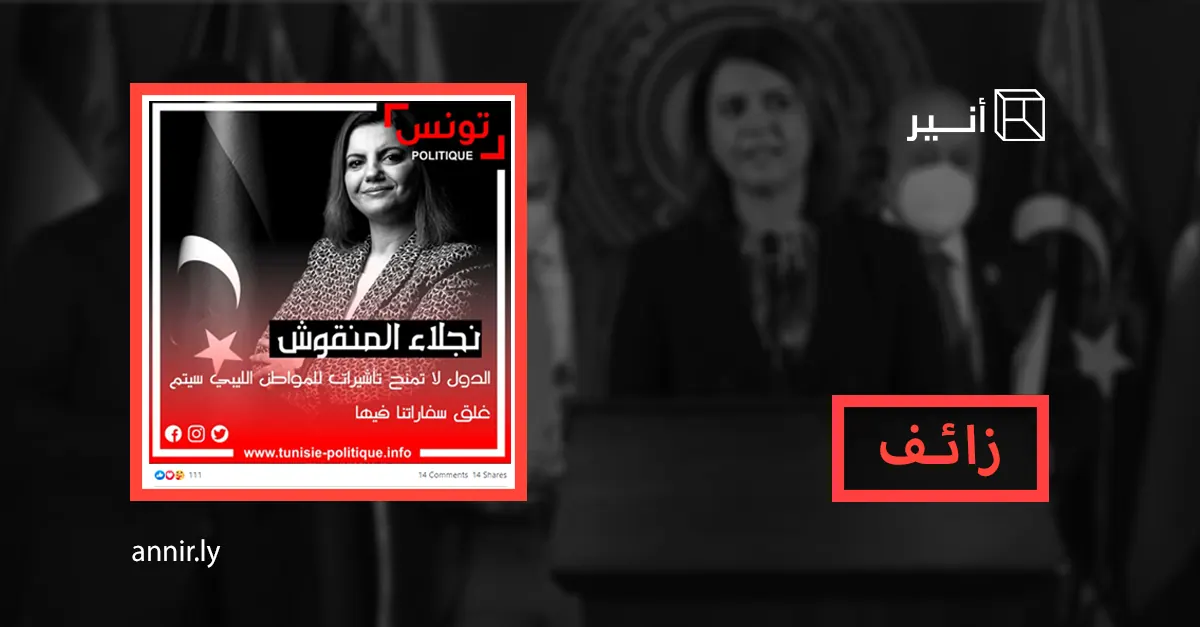
Libyan Foreign Minister Najlaa Al-Mangoush has denied reports that the country will close its embassies in countries not issuing visas to Libyan citizens. The claims, which surfaced on social media and some Tunisian news outlets, were described as 'fake news' by the minister's office. According to Mohamed Al-Tawil, director of the ministry's media office, Al-Mangoush does not have an official social media account and any statements attributed to her should be verified through official channels.
The controversy began when several social media pages and news outlets claimed that Al-Mangoush stated that Libya would close its embassies in countries not issuing visas to Libyan citizens. The claims were allegedly made during a joint press conference with French, Italian, and German foreign ministers on March 25. However, Al-Tawil disputed these claims, stating that the minister's actual statement focused on the need to reactivate Libyan embassies and consulates and facilitate visa procedures from within Libya.
The reports of Libya's embassy closures were widely circulated, causing concern among Libyan citizens and diplomatic missions. However, the Libyan Foreign Ministry has clarified that it will not close its embassies in countries with which it maintains good relations. The ministry emphasized that any official statements or announcements will be made through its website and official social media channels.
The incident highlights the risks of misinformation and fake news, particularly in countries with limited access to reliable information. Libyan citizens and international partners rely on official sources for accurate information on diplomatic developments. The Libyan Foreign Ministry has urged citizens to verify information through official channels to avoid spreading misinformation.
The relationship between Libya and other countries has been affected by visa requirements and travel restrictions. Libyan citizens often face difficulties obtaining visas for travel to certain countries, leading to frustration and tensions. The Libyan government has sought to improve diplomatic relations and facilitate travel for its citizens.
The denial of the embassy closure claims comes as Libya continues to navigate its complex diplomatic landscape. The country has faced significant challenges in recent years, including conflict, instability, and economic difficulties. The Libyan government has prioritized rebuilding diplomatic relations and promoting international cooperation.
In conclusion, the Libyan Foreign Ministry has confirmed that there are no plans to close embassies in countries not issuing visas to Libyan citizens. The ministry has urged citizens to rely on official sources for accurate information and to be cautious of misinformation. The incident highlights the importance of verifying information through reliable sources to avoid spreading fake news.
Key points
- Libyan Foreign Minister Najlaa Al-Mangoush denies reports of closing embassies in countries not issuing visas to Libyan citizens.
- The Libyan Foreign Ministry has clarified that any official statements or announcements will be made through its website and official social media channels.
- The incident highlights the risks of misinformation and fake news in countries with limited access to reliable information.