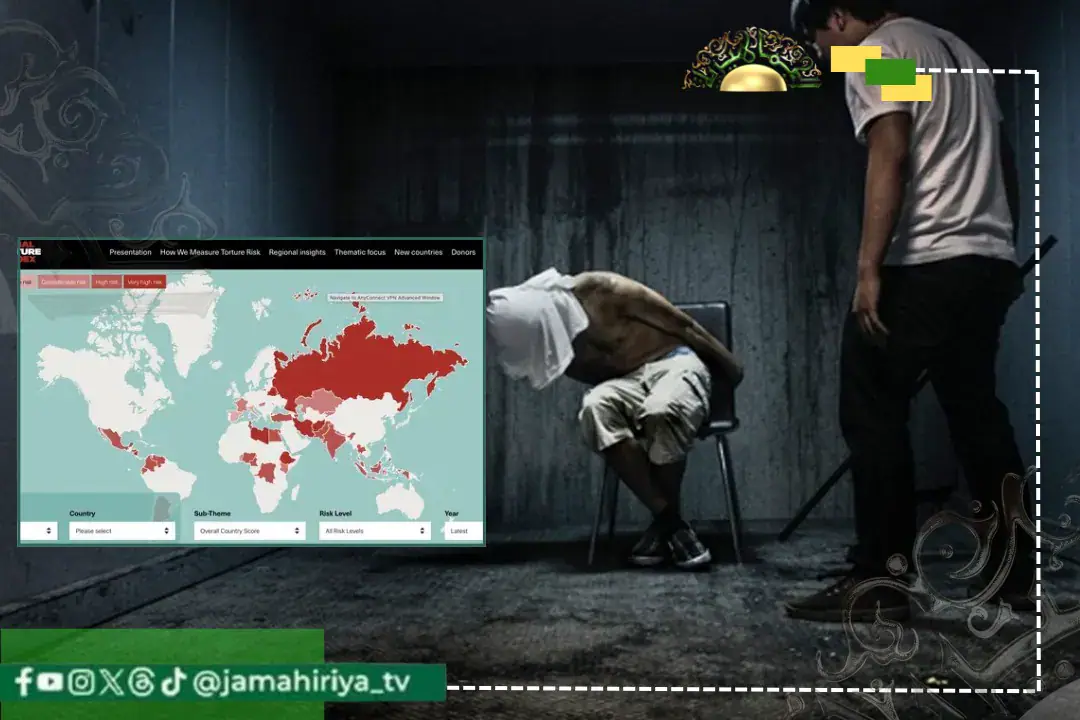
The 2026 Global Torture Index, released by the World Organization Against Torture and its partners, has classified Libya as a high-risk country for torture and ill-treatment. The report, which evaluates the risk of torture in 39 countries, was launched in June 2026. Libya's classification is based on data collected between 2025 and 2026, which indicates that the country is facing a significant risk of torture, with widespread violations in detention facilities and nearly total impunity.
According to the report, over 90% of arrests in Libya are made without a judicial warrant, and documented practices include beatings, torture positions, and restraint of hands and feet. The Libyan Network to Combat Torture reported 859 violations affecting 617 civilians during a single reporting period between 2025 and 2026. Confessions are routinely extracted under torture in detention centers, without access to a lawyer or judicial review within 48 hours.
The situation for migrants in Libya is particularly dire, with arbitrary detention, sexual violence, and forced labor reported. Testimonies describe the sale of detainees to human trafficking networks, which a joint report by the UN High Commissioner for Human Rights and the UN Support Mission in Libya described as a "violent business model" in February 2026. The overcrowding of migrant detention centers, with occupancy rates exceeding 300%, exacerbates these abuses.
The Libyan law protects perpetrators of torture through amnesty and official immunity, and there is a lack of public data on torture complaints, investigations, or convictions. Human rights defenders in Libya face killings, enforced disappearances, and judicial harassment, while legislation criminalizes aspects of human rights work, including anti-torture activities.
In April 2025, the Observatory for the Protection of Human Rights Defenders, in collaboration with partner organizations, condemned a crackdown on non-governmental organizations supporting migrants and refugees in Libya. The repression targets organizations providing essential services to vulnerable populations.
Ahmed Mustafa, head of the Documentation Department at the Crime Monitoring Organization, stated that "torture is not hidden" in Libya, with families seeking information about disappeared relatives often facing threats rather than answers. Stephanie David, Secretary-General of the World Organization Against Torture, emphasized that exposing the situation in Libyan detention centers is a crucial step towards changing this reality.
The World Organization Against Torture is calling on Libya to take concrete steps to address the issue of torture, including ending torture in detention centers, ratifying the Optional Protocol to the Convention Against Torture, and repealing laws used against human rights defenders. The organization also demands that perpetrators of torture be held accountable and that victims receive reparations.
Key points
- The 2026 Global Torture Index classifies Libya as a high-risk country for torture and ill-treatment.
- Widespread violations in detention facilities, including beatings and torture, are common in Libya.
- The Libyan government is urged to take concrete steps to address torture, including ratifying the Optional Protocol to the Convention Against Torture.