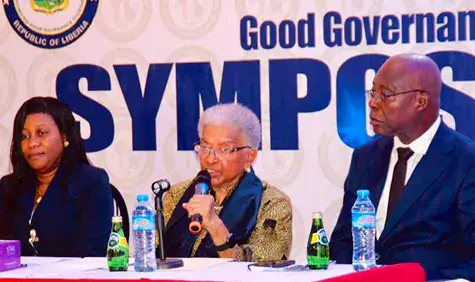
Libya is reprioritizing its oil and gas sector to focus on increasing production, accelerating development of existing fields, and revitalizing exploration efforts. This strategic shift aims to update infrastructure and create a more favorable environment for investments and international partnerships. The country's energy sector is facing new challenges and opportunities due to the rapid transformation in global energy markets. A recent discussion session titled "The Future of Energy, Oil, and Gas in a Changing Global Landscape" was held in Benghazi as part of the 2026 Nova Conference and Exhibition.
The discussion session, which took place from October 5 to 7, 2026, was attended by key figures including the Director-General of the Oil Research Center, Khalid Al-Atai, and the Chairman of the Management Committee of the Arabian Gulf Oil Company, Muhammad bin Shtwan. The session focused on ways to enhance the efficiency of the sector and convert available potential into actual production increases. Bin Shtwan emphasized that increasing production is a top priority, which can be achieved not only by opening new areas for exploration but also by investing in available resources within producing and marginal fields.
The use of modern technologies and acceleration of delayed projects can create opportunities for additional production increases, especially in fields and projects that can be brought into production within a short period using early production equipment. However, this requires financing and investment, as governments cannot bear the cost of major projects alone, particularly in exploration and development of marginal fields. Therefore, partnerships with local and international investors are essential for any plan aiming to increase production.
In addition to geological and production opportunities, attracting capital requires a suitable environment for investors, including security, services, communications, and ports, as well as simplifying procedures for local and foreign investments. Increasing oil and gas production requires a comprehensive system that goes beyond drilling and production to include transportation, logistics, supply networks, port capacity, and export-related facilities. Libya's geographical advantage, being close to European markets, is a significant attraction for investors, especially given the geopolitical changes in global energy markets.
The development of pipeline networks used for transporting production and supplies to oil ports is crucial, as upgrading these networks is essential for increasing production and efficiently transporting crude to export outlets. Libya's strategic location near Europe provides an important opportunity in the energy market, given the continued demand for energy supplies and rapid changes in the geopolitical landscape. The country's oil fields have the potential to reduce production costs compared to many producing countries, which enhances investment opportunities and resource development.
Natural gas has emerged as a key area of focus, with calls to expand investment in its production and develop the necessary infrastructure for transportation and export. Libya's existing infrastructure, including the Green Stream pipeline connecting Libya to Italy, offers a foundation for accelerating gas production development and enhancing export capabilities. However, financing remains a significant factor influencing the progress of gas projects, requiring sufficient financial resources to complete the required work.
The Oil Research Center plays a technical role supporting the National Oil Corporation through studies, research, and development, expanding the range of technical services provided to oil companies. The center's data and studies have contributed to evaluating production opportunities and available resources within the sector, enhancing the role of technical knowledge and data in making development and investment decisions. To increase oil and gas production, Libya must address a range of interconnected factors, from field development and accelerated exploration to pipeline and port upgrades.
Key points
- Libya aims to increase oil and gas production by developing existing fields, accelerating exploration, and updating infrastructure.
- The country's strategic location near Europe and its geological advantages make it an attractive destination for investors.
- Financing and modern technologies are crucial for advancing Libya's oil and gas projects and enhancing production capabilities.